ClevelandBrowns
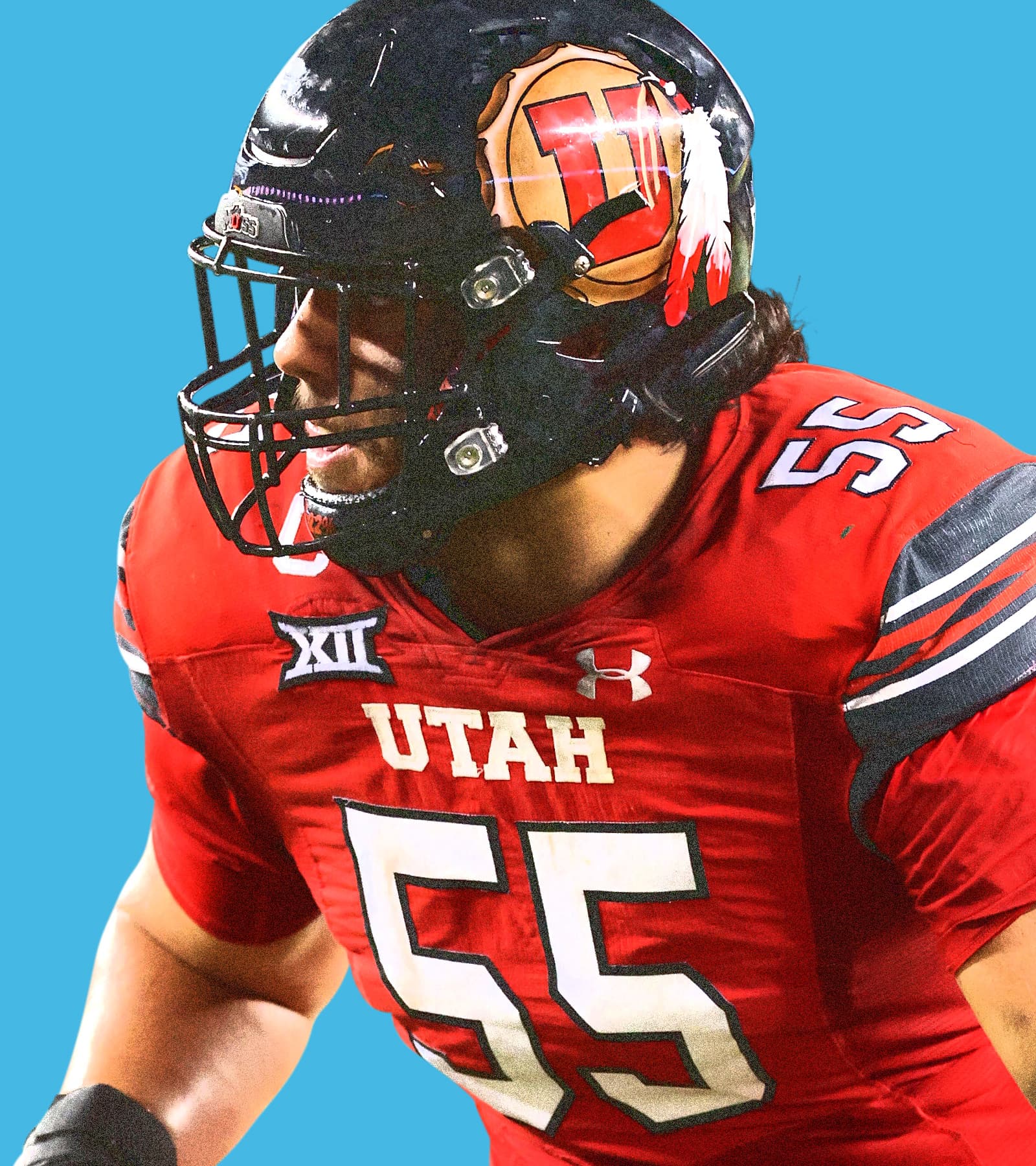
Round 1, pick 9: Spencer Fano, OT, Utah
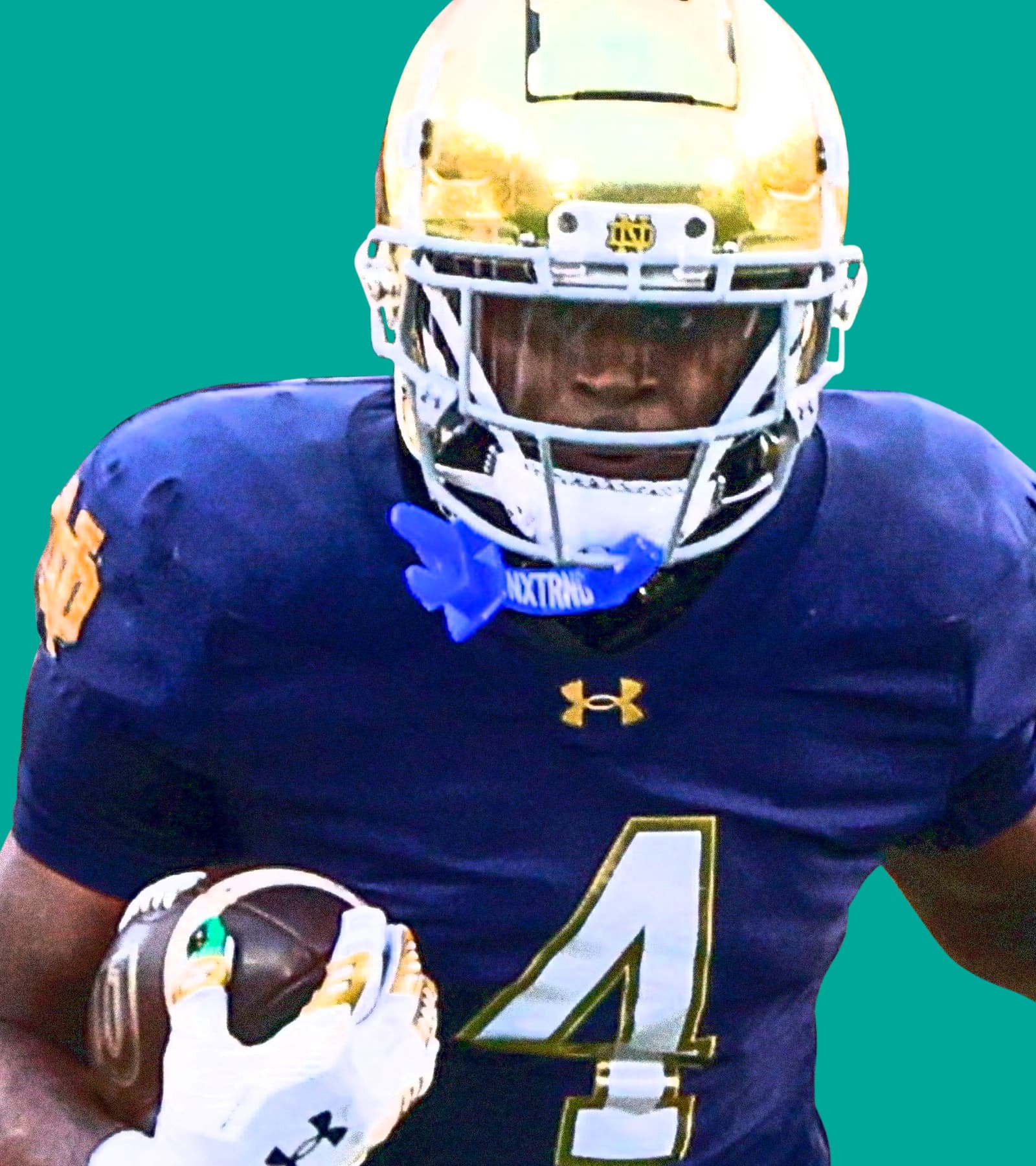
Round 1, pick 24: KC Concepcion, WR, Texas A&M
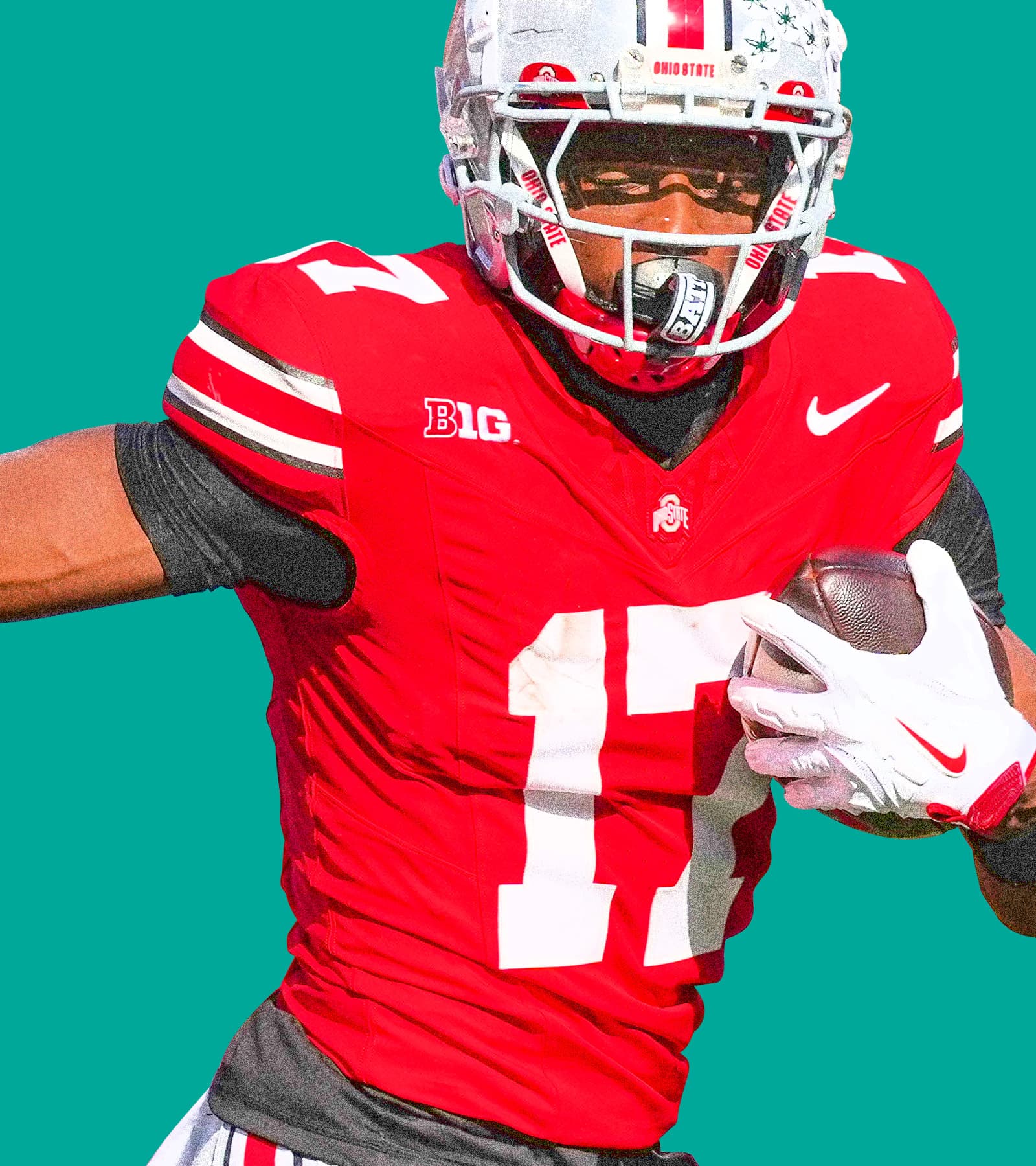
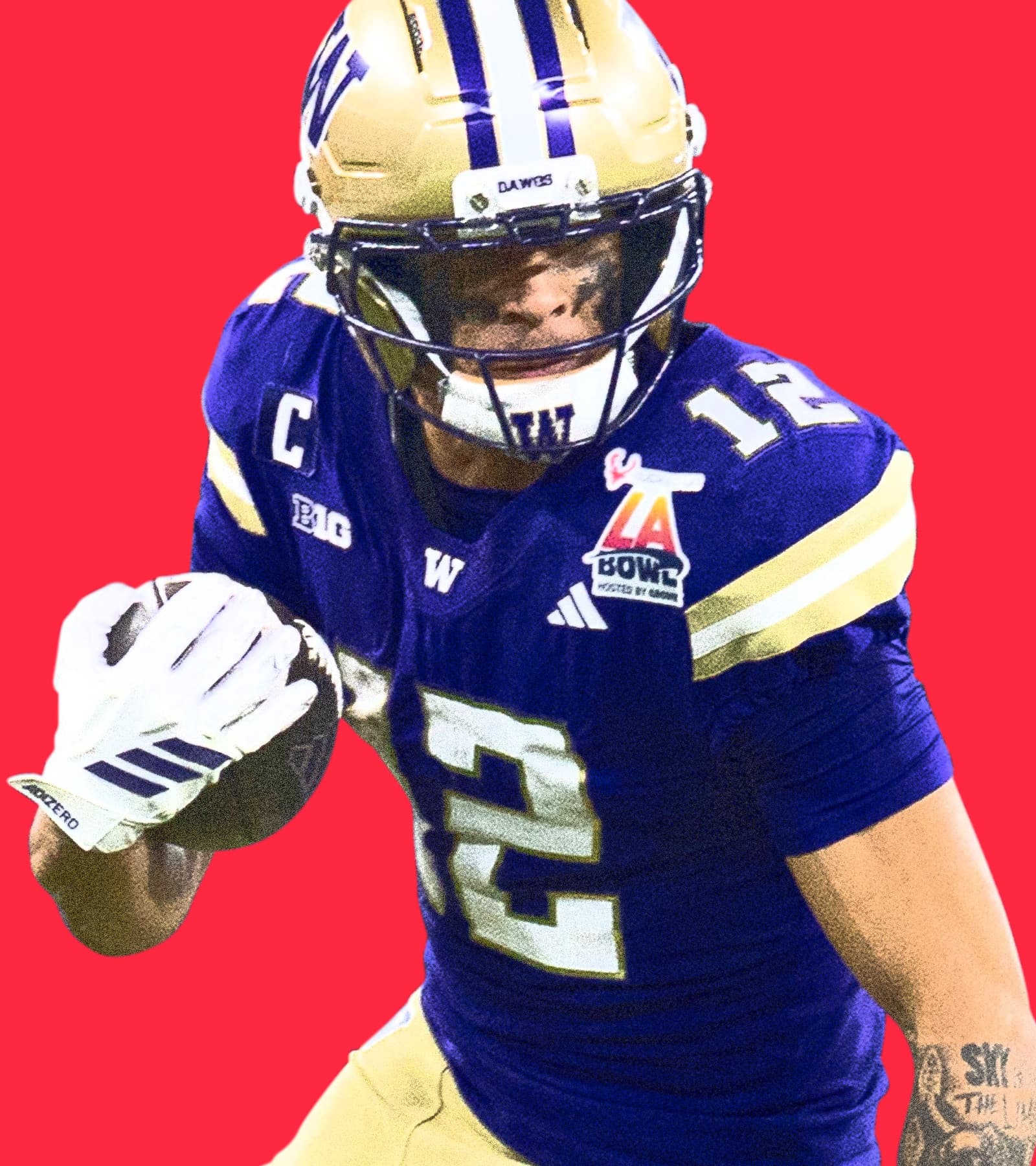
Round 2, pick 39: Denzel Boston, WR, Washington
Round 2, pick 58: Emmanuel McNeil-Warren, S, Toledo
Round 3, pick 86: Austin Barber, OT, Florida
Round 5, pick 146: Parker Brailsford, C, Alabama
Round 5, pick 149: Justin Jefferson, LB, Alabama
Round 5, pick 170: Joe Royer, TE, Cincinnati
Round 6, pick 182: Taylen Green, QB, Arkansas
Round 7, pick 248: Carsen Ryan, TE, BYU
The Browns were one of the biggest winners of this entire draft, scooping up value every time I looked up. I loved what they did in the first round, trading back a few spots with the Chiefs before landing a tough, athletic offensive tackle in Utah’s Spencer Fano. Fano helps address a big need for the team and gives them flexibility up front, with experience at both left and right tackle. GM Andrew Berry then turned to the receiver position with his next two picks, nabbing my 14th-ranked player in KC Concepcion at no. 24 overall before landing my 19th-ranked player in Denzel Boston at no. 39 overall. Cleveland later moved up early in the second round to the 58th overall pick to secure my 25th-ranked player in safety Emmanuel McNeil-Warren. The combination of deft maneuvering and overall value gained makes this a potential home-run class for Cleveland.




Las VegasRaiders
Round 1, pick 1: Fernando Mendoza, QB, Indiana
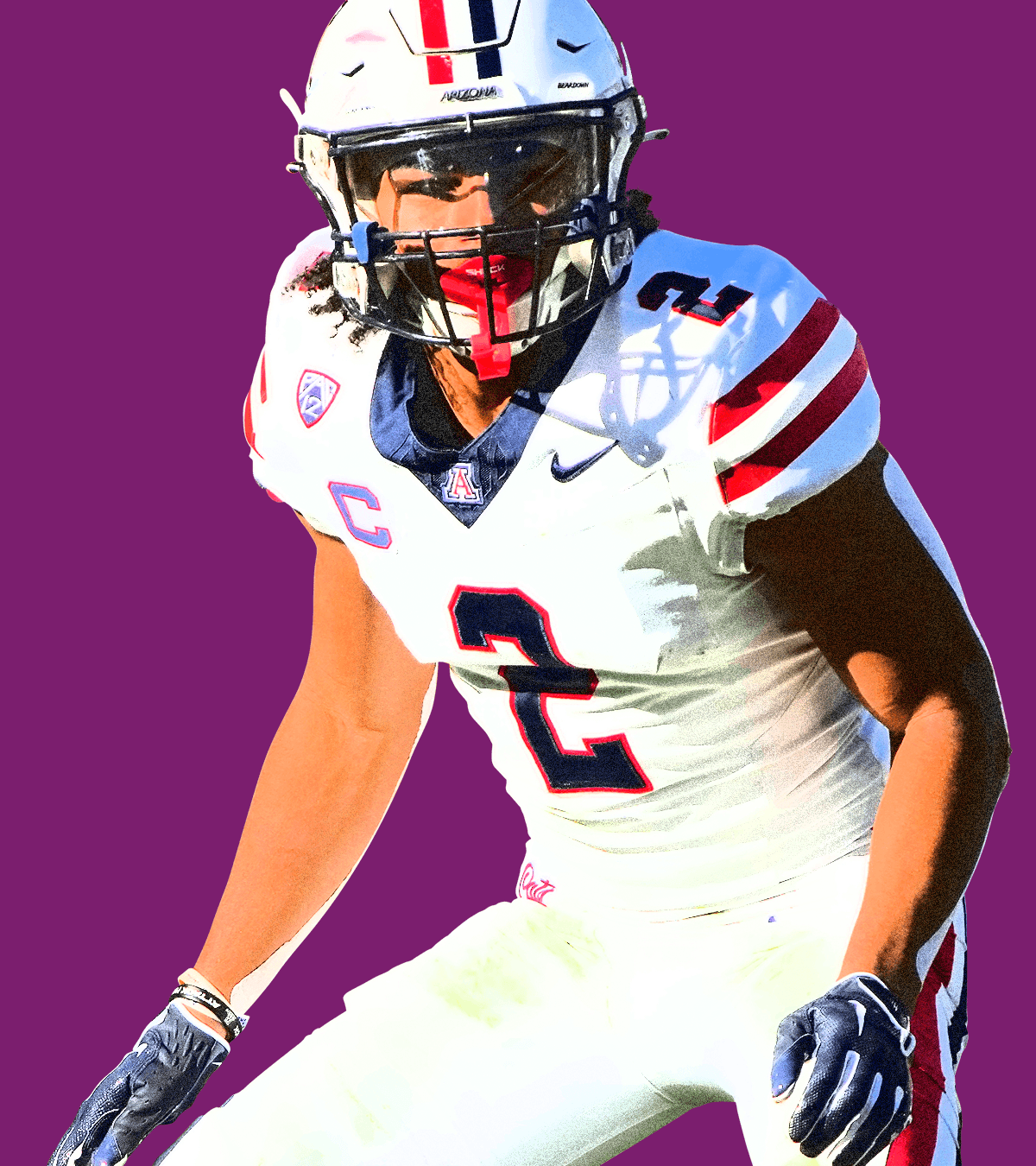
Round 2, pick 38: Treydan Stukes, S, Arizona
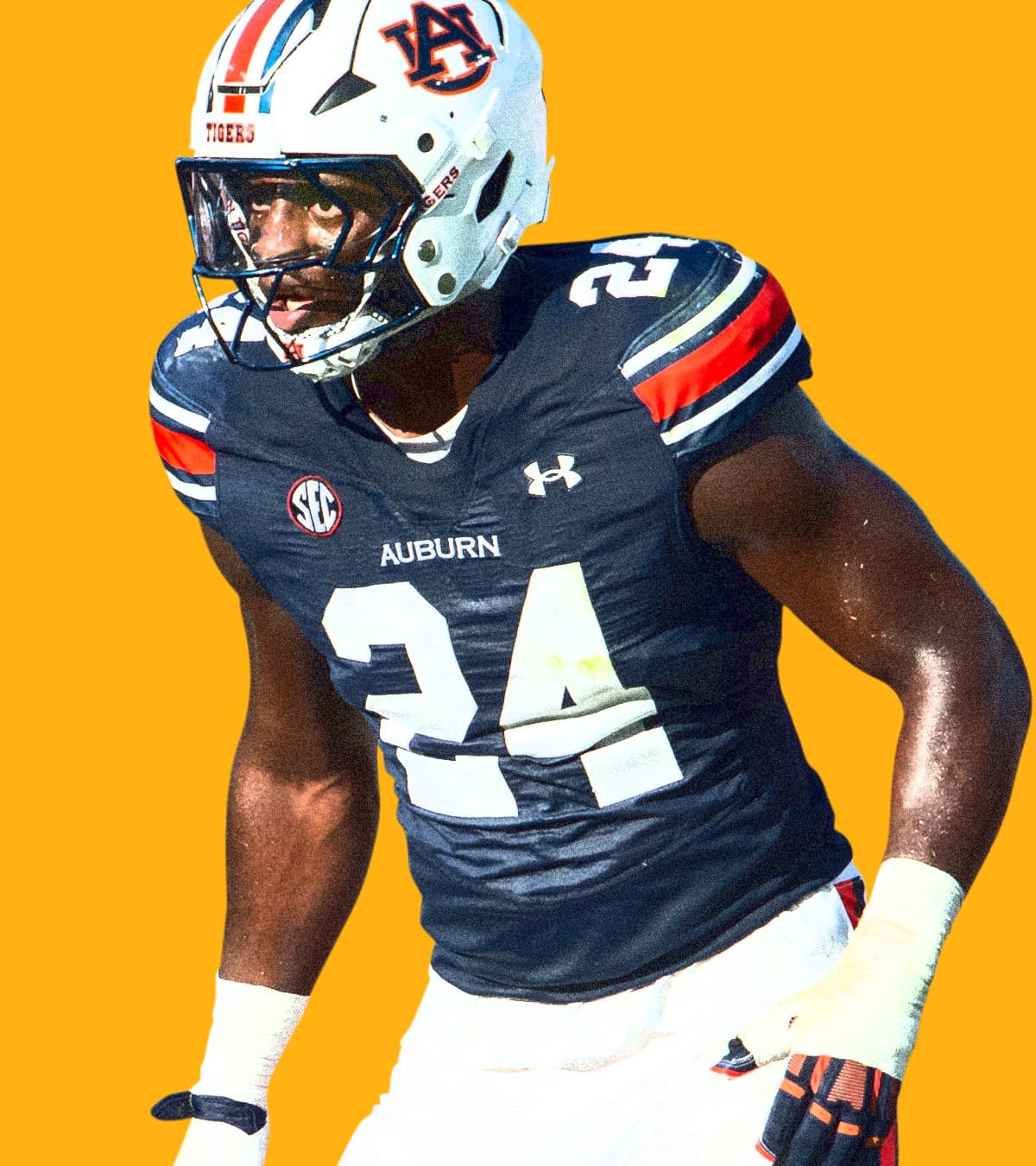
Round 3, pick 67: Keyron Crawford, Edge, Auburn
Round 3, pick 91: Trey Zuhn III, C, Texas A&M
Round 4, pick 101: Jermod McCoy, CB, Tennessee
Round 4, pick 122: Mike Washington Jr, RB, Arkansas
Round 5, pick 150: Dalton Johnson, S, Arizona
Round 5, pick 175: Hezekiah Masses, CB, California
Round 6, pick 195: Malik Benson, WR, Oregon
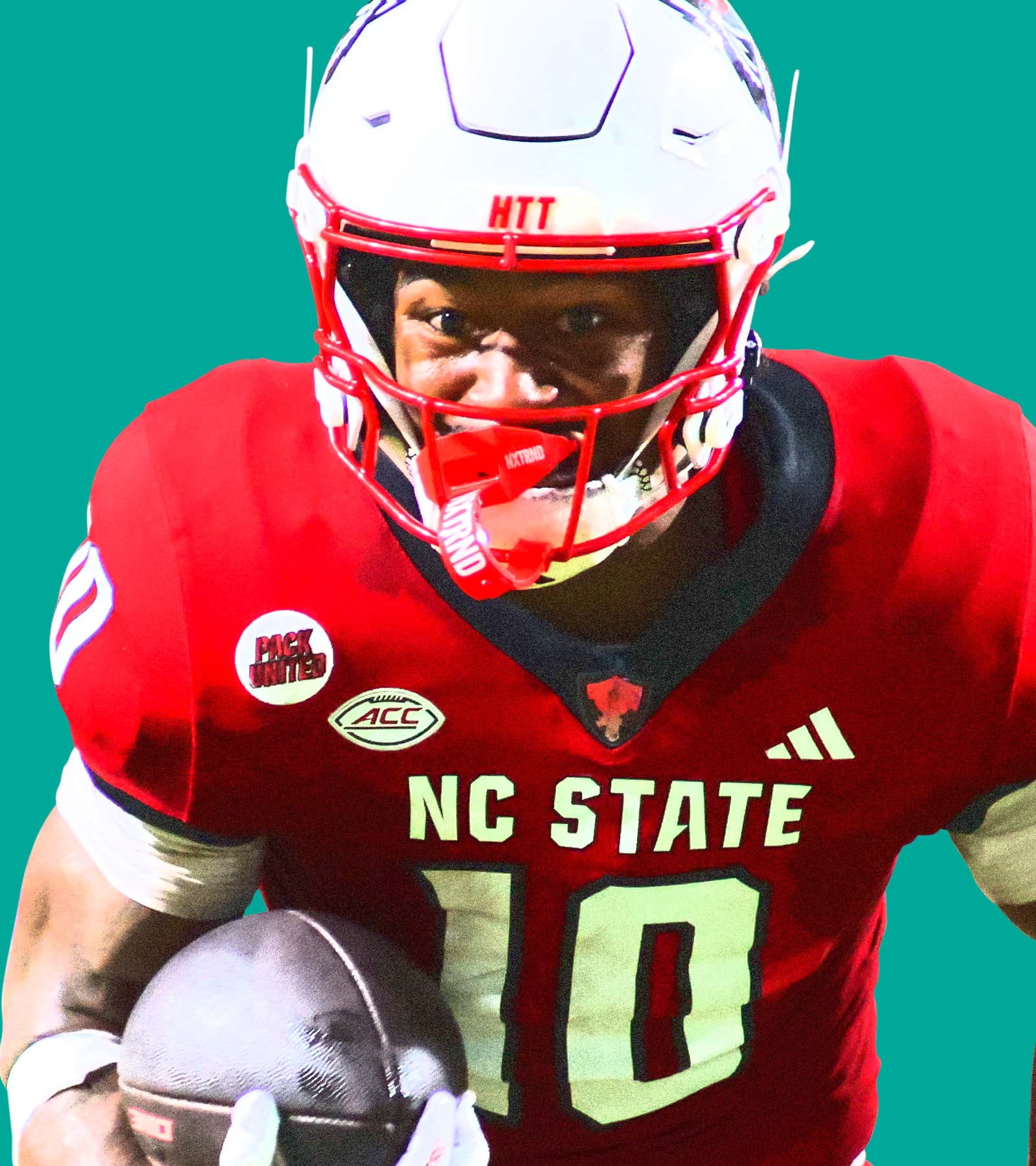
Round 7, pick 229: Brandon Cleveland, DT, NC State
It obviously helps a lot to have the first pick in the draft, but the Raiders knocked their entire draft out of the park. Indiana quarterback Fernando Mendoza was the no-brainer selection for this team at the top of the draft and offers the promise of stability at the quarterback spot for years to come. I liked the Treydan Stukes pick in the early second round, too; the former Arizona standout was a walk-on who rose through the ranks and ended up as a team captain there, showing instincts and ball skills in coverage and fearlessness against the run. Edge rusher Keyron Crawford brings some juice off the edge, and center Trey Zuhn III could compete for a starting role early on. Trading up in the fourth round to take cornerback Jermod McCoy—who fell because of reported concerns around his surgically repaired knee—is easily a risk worth taking at that spot in the draft. And pairing the electric Mike Washington Jr. with Ashton Jeanty gives Las Vegas one of the more exciting running back tandems in the NFL. It wouldn’t be too surprising to look back at this draft in a few years and see the start of a real turnaround for the Raiders.



New YorkGiants
Round 1, pick 5: Arvell Reese, Edge, Ohio State
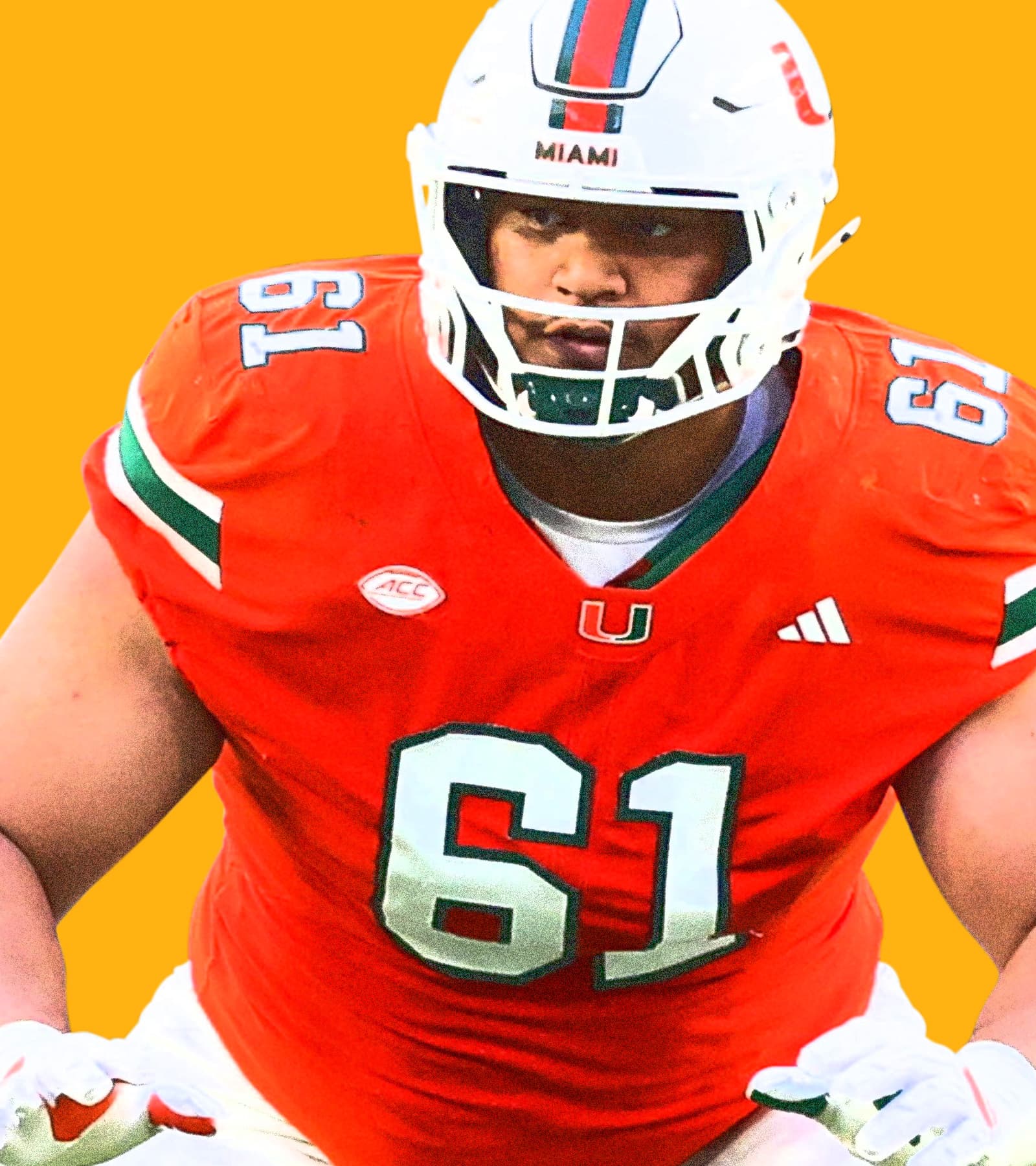
Round 1, pick 10: Francis Mauigoa, OT, Miami
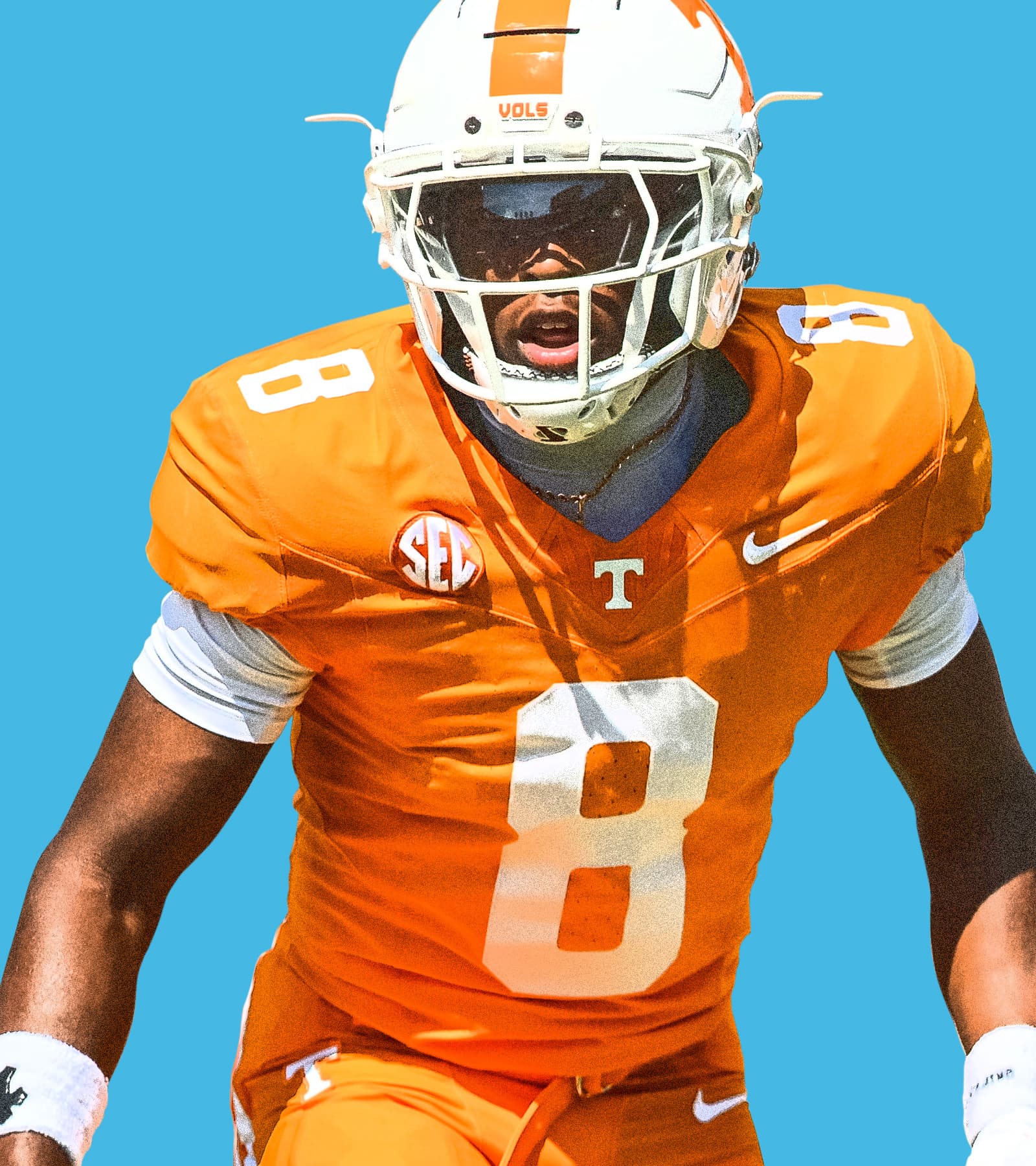
Round 2, pick 37: Colton Hood, CB, Tennessee
Round 3, pick 74: Malachi Fields, WR, Notre Dame
Round 6, pick 186: Bobby Jamison-Travis, DT, Auburn
Round 6, pick 192: J.C. Davis, OT, Illinois
Round 6, pick 193: Jack Kelly, LB, BYU
The Giants had to have been doing backflips in the draft room when Ohio State linebacker Arvell Reese fell to them at no. 5. Reese, my top-ranked player, is a versatile and explosive hybrid playmaker who splits time between off-ball linebacker and edge rusher, showing top-end talent at both spots. He’s an awesome addition to the New York front seven and should get his start at linebacker, per the team, giving the Giants the chance to put him on the field with Brian Burns and Abdul Carter. The selection of offensive lineman Francis Mauigoa was much less sexy but important nonetheless, giving Jaxson Dart a bookend tackle opposite Andrew Thomas over the long term (Mauigoa could fill in at guard initially as well). I liked the second-round selection of Tennessee cornerback Colton Hood, who could compete for snaps right away and strengthen the team’s depth at a hugely important spot. And while I didn’t love how much the Giants had to give up to trade up for Notre Dame receiver Malachi Fields (fourth and fifth-round picks this year, plus a fourth-rounder next year), I do like the fit for him in New York. Fields is a big-bodied ball winner with surprisingly twitchy movement skills as a route runner. He’s a nice complement to Malik Nabers and gives Dart another receiver to look for in the red zone. Overall, this looks like an amazing start for the John Harbaugh era in New York.



CarolinaPanthers
Round 1, pick 19: Monroe Freeling, OT, Georgia
Round 2, pick 49: Lee Hunter, DT, Texas Tech
Round 3, pick 83: Chris Brazzell II, WR, Tennessee
Round 4, pick 129: Will Lee III, CB, Texas A&M
Round 5, pick 144: Sam Hecht, C, Kansas State
Round 5, pick 151: Zakee Wheatley, S, Penn State
Round 7, pick 227: Jackson Kuwatch, LB, Miami (OH)
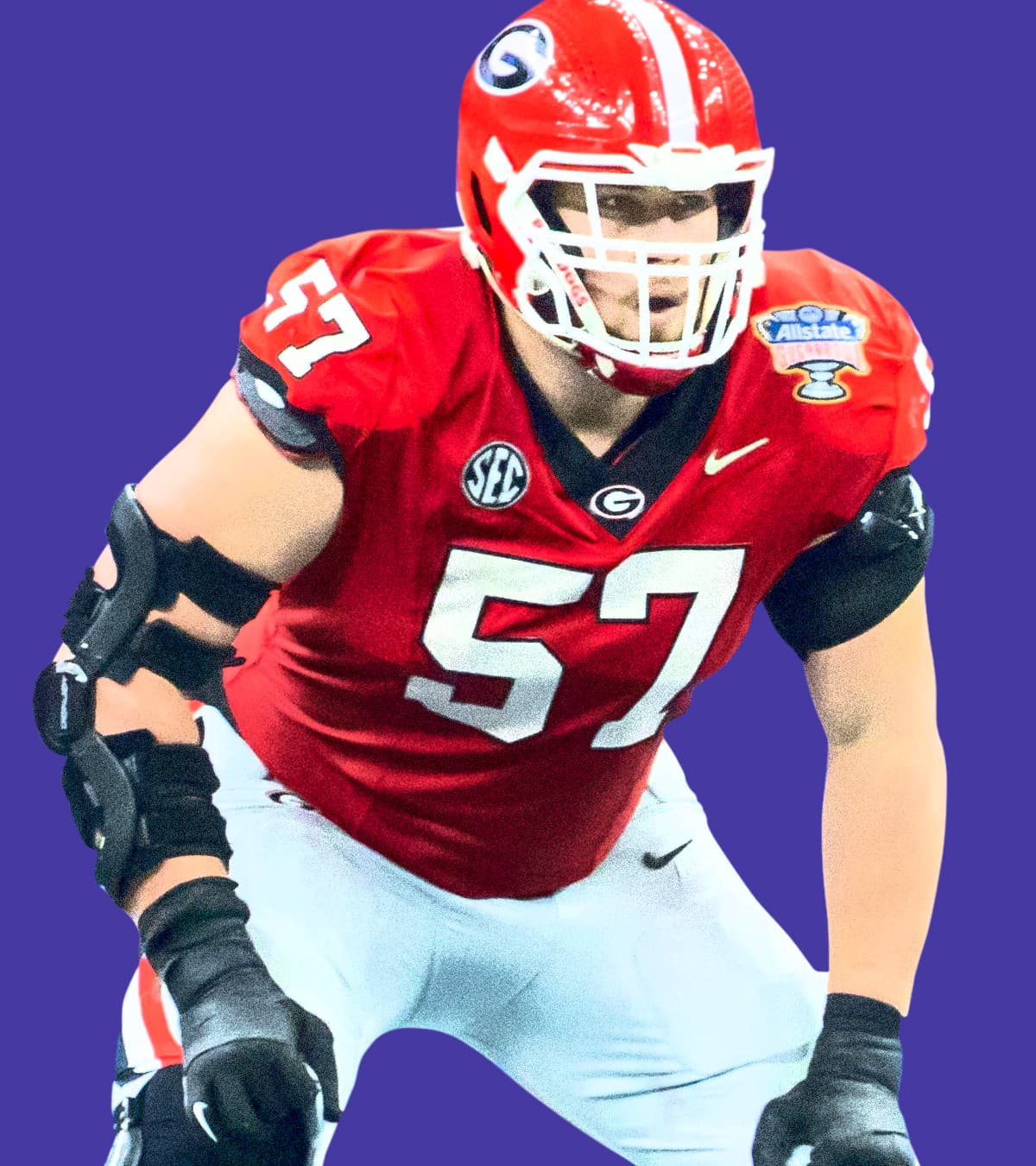
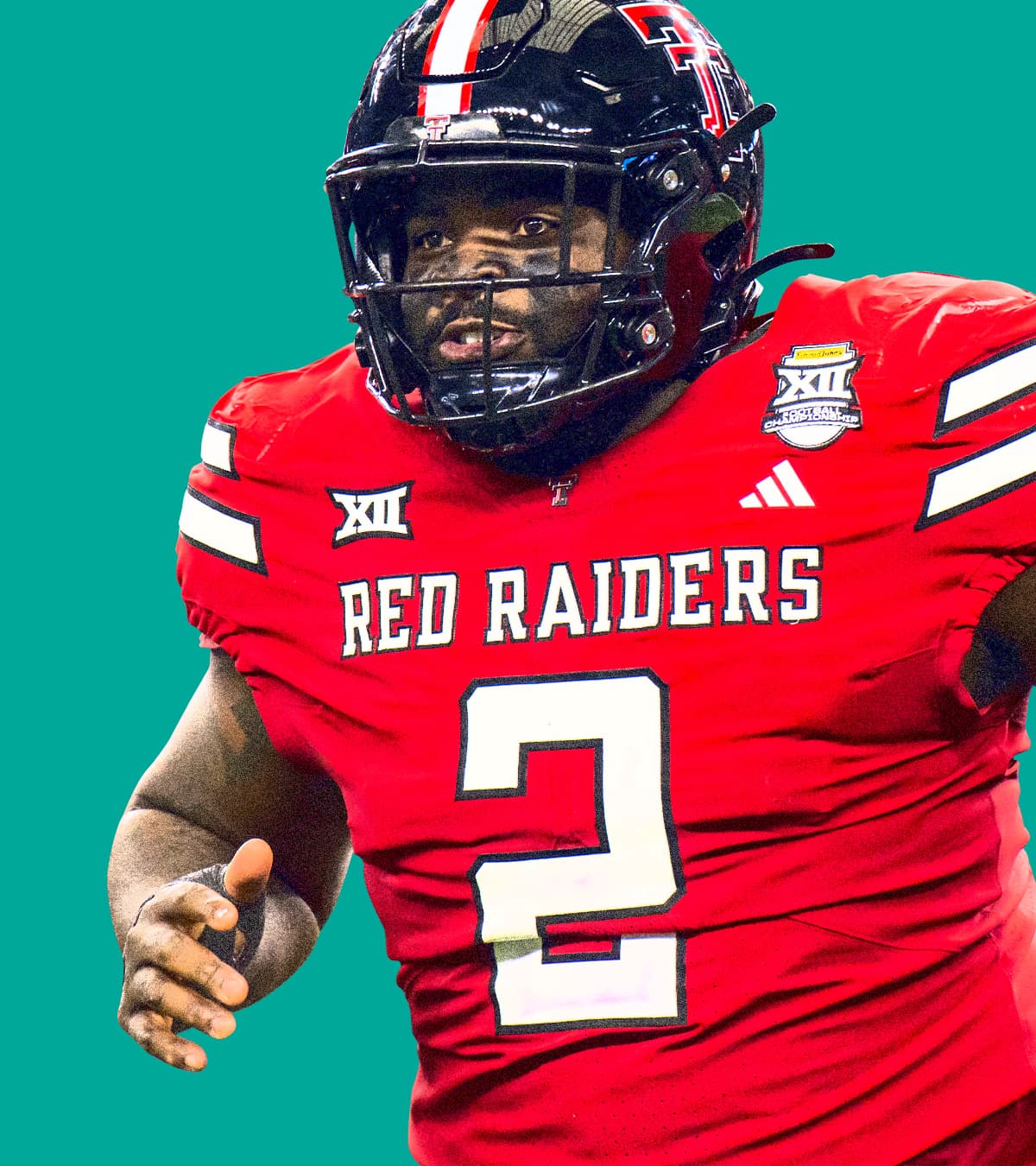
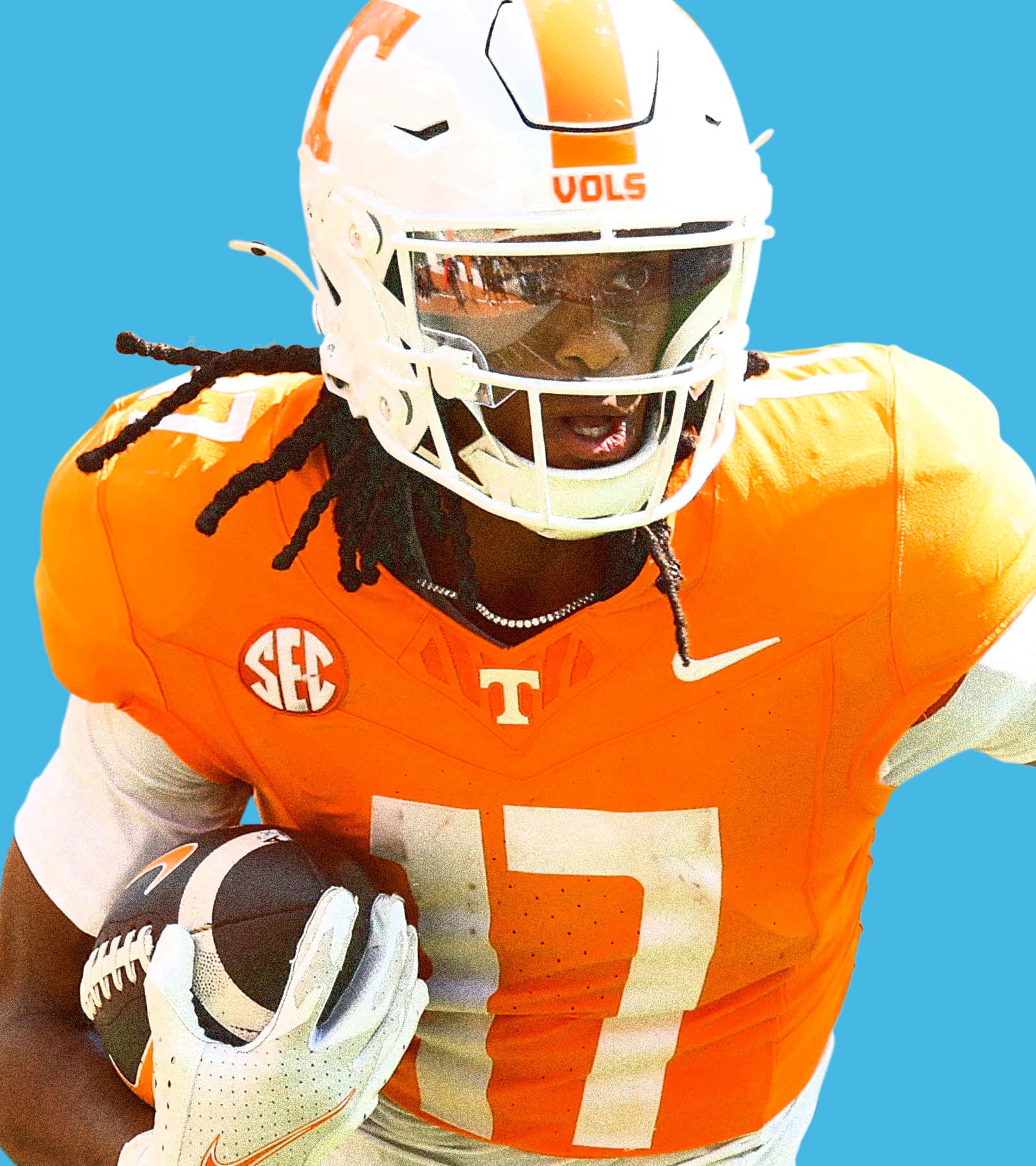
The Panthers’ draft wasn’t sexy, but I was impressed with their haul. They played things patiently in the first round and landed an ultra athletic, high-upside left tackle in Georgia’s Monroe Freeling, a pick that fills an underrated need for Carolina. Freeling needs to get stronger in the run game, but he gives the team a potential long-term answer on the blindside. In the second round, GM Dan Morgan opted to add some beef to the defensive line in the form of Texas Tech’s Lee Hunter, a stout, powerful nose tackle prospect who clogs up the run game, holds his ground at the point of attack, and offers some upside to develop more in the pass rush area. Dropping him in next to Derrick Brown gives the team a formidable interior presence. The Panthers got excellent value in the third round as well in Tennessee receiver Chris Brazzell II, who needs to add branches to his route tree but brings springy athleticism and rare body control in a 6-foot-4, 198-pound frame. He can line up at the Z receiver spot and be a great complement to outside X receiver Tetairoa McMillan and slot man Jalen Coker. Fifth-rounders in center Sam Hecht and safety Zakee Wheatley could end up on the field sooner than later. Overall, the Panthers came away with three potential early-impact starters before adding some intriguing depth pieces on day three.


DallasCowboys
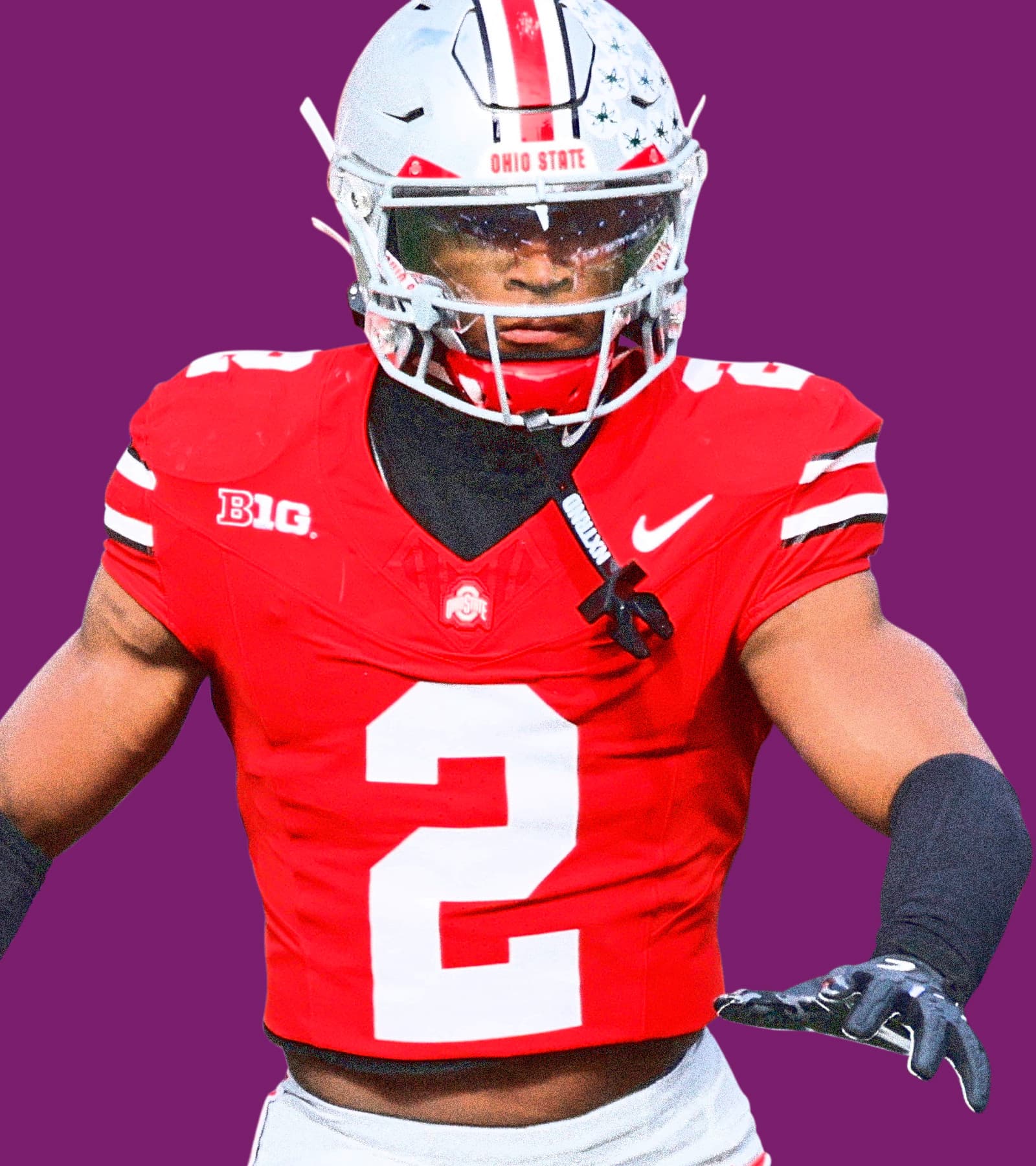
Round 1, pick 11: Caleb Downs, S, Ohio State
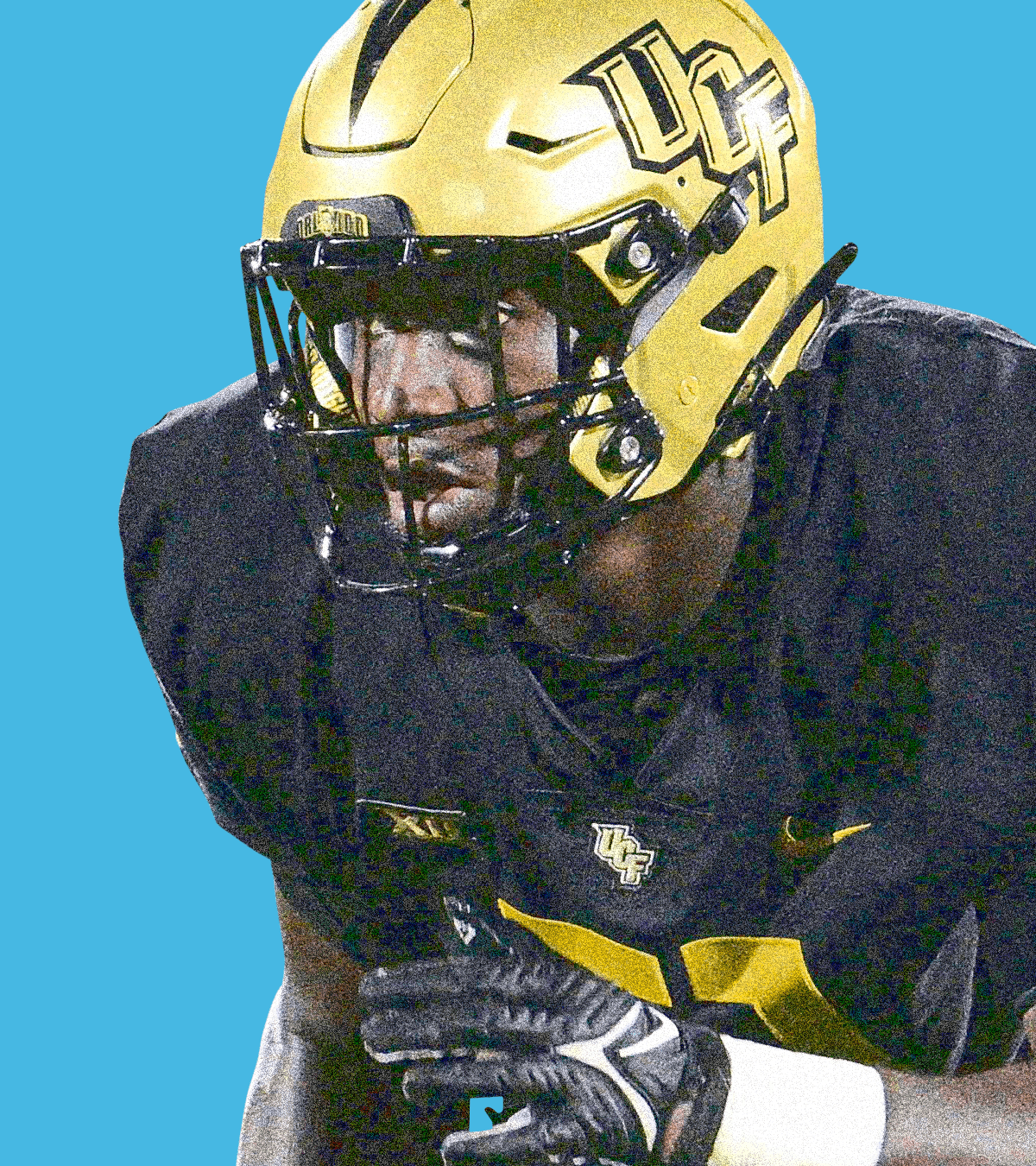
Round 1, pick 23: Malachi Lawrence, Edge, UCF
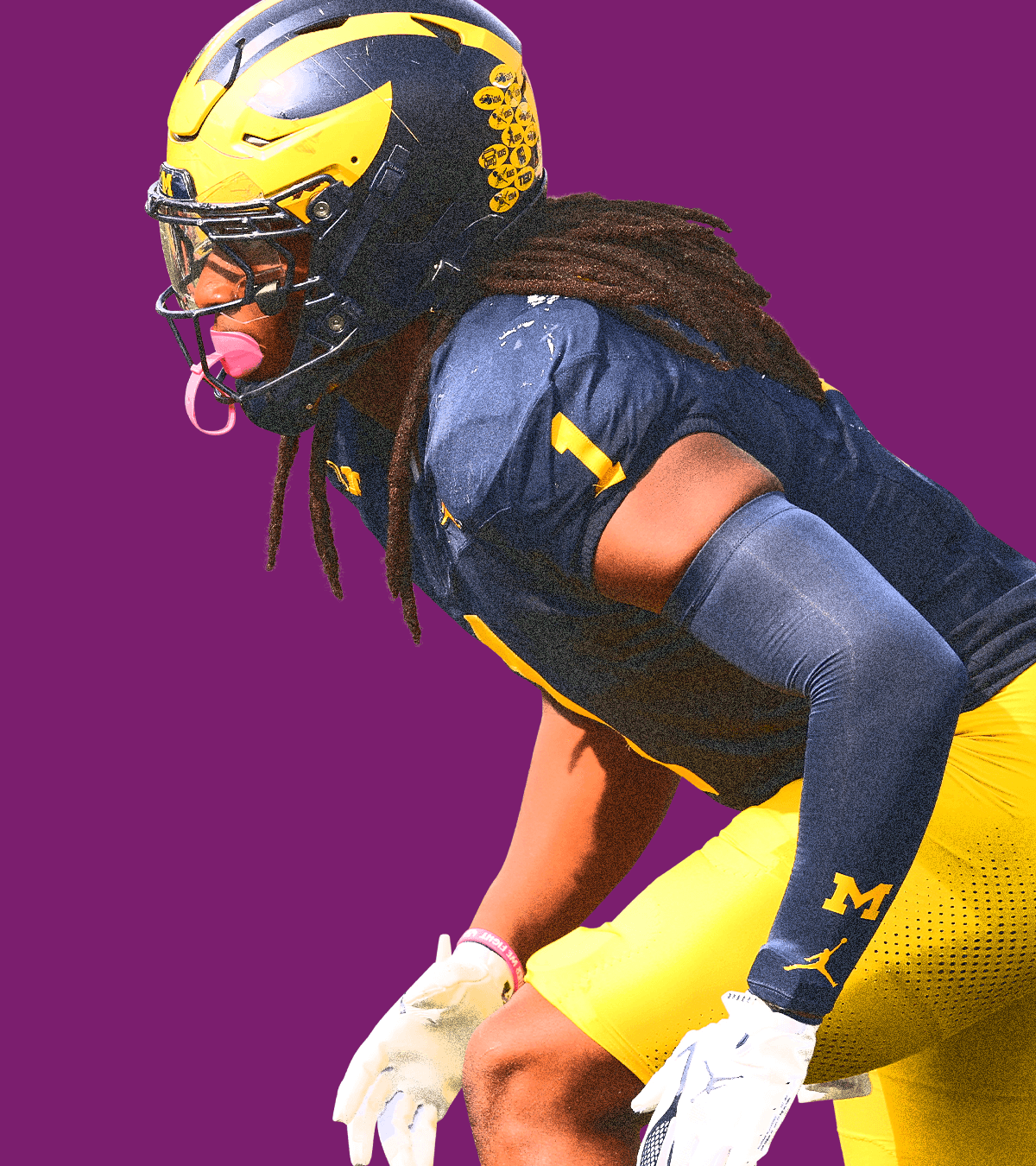
Round 3, pick 92: Jaishawn Barham, Edge, Michigan
Round 4, pick 112: Drew Shelton, OT, Penn State
Round 4, pick 114: Devin Moore, CB, Florida
Round 4, pick 137: LT Overton, Edge, Alabama
Round 7, pick 218: Anthony Smith, WR, East Carolina
The Cowboys have done exactly what they seemingly set out to do when they traded away superstar pass rusher Micah Parsons, adding a horde of playmakers to what looks to be an ascending defensive core. Coming out of the first round with uber-versatile safety Caleb Downs and explosive pass-rusher Malachi Lawrence gives Dallas two day-one impact players. Downs could be the straw-that-stirs-the-drink type defensive back for the Cowboys for years, bringing instincts and skill to multiple spots in the back end. And Lawrence (who was attained with one of the picks acquired in the Parsons trade) takes some much needed heat off the edge, showing twitchy movement skills and top-tier closing burst. The addition of linebacker Jaishawn Barham could bring immediate return, too: He’s a tenacious, highly physical defender with experience playing off the ball (where he’ll reportedly start for the Cowboys) and off the edge as a situational rusher. Add in a draft-day trade for 49ers linebacker Dee Winters (for this year’s fifth-round pick), and the Cowboys defense could look a whole lot different—and much improved—in 2026 and beyond.


Tampa BayBuccaneers
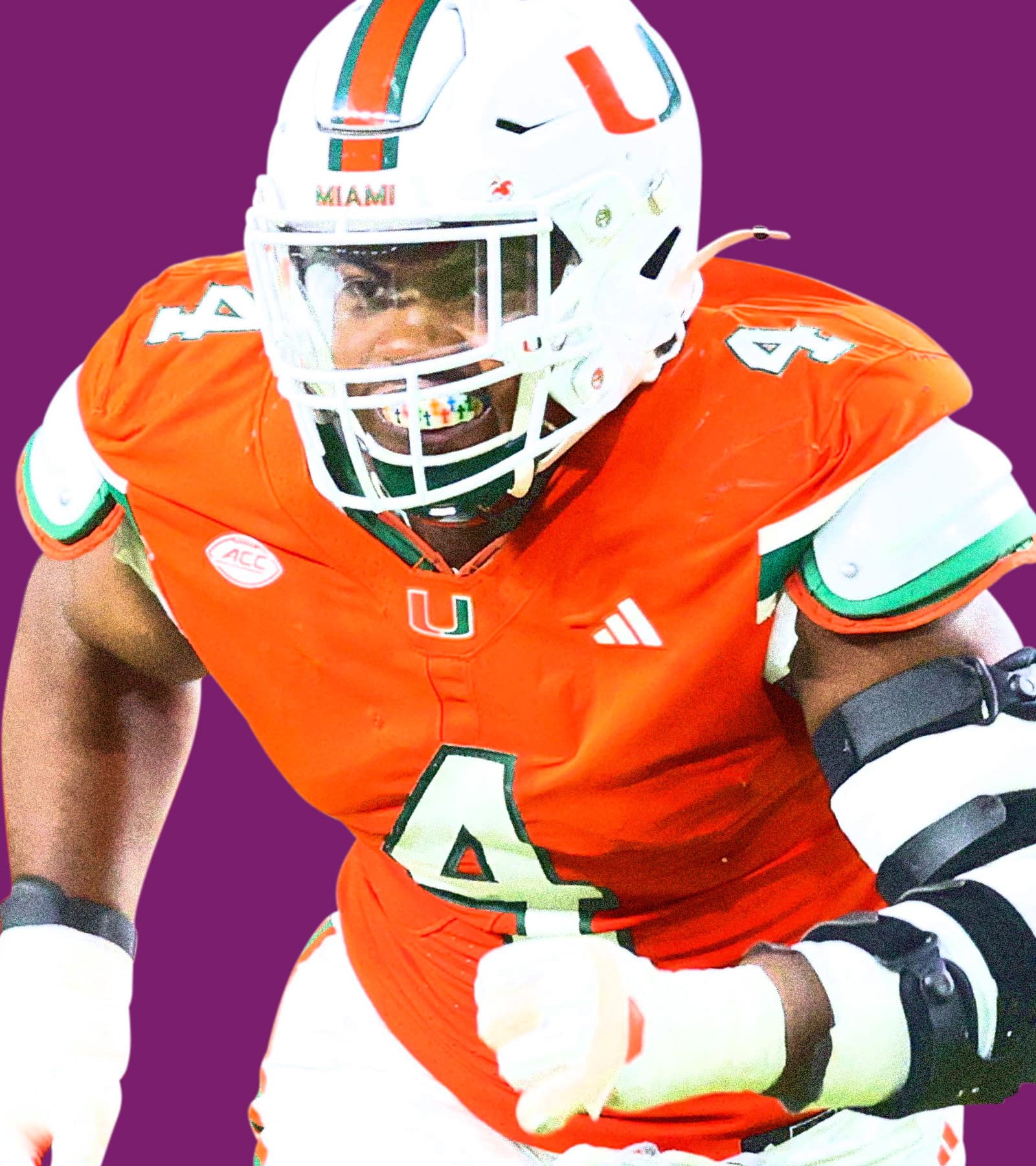
Round 1, pick 15: Rueben Bain Jr., Edge, Miami
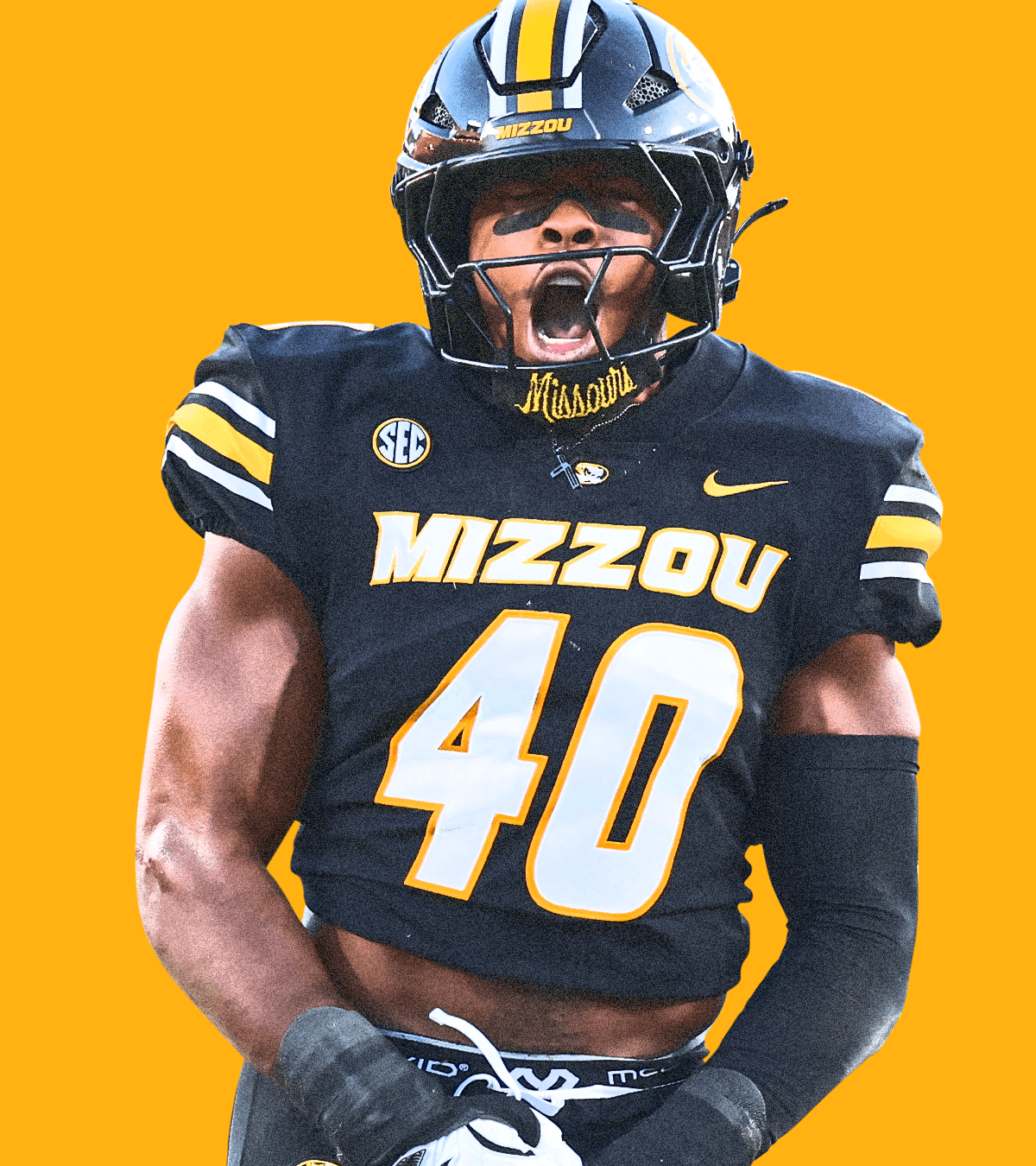
Round 2, pick 46: Josiah Trotter, LB, Missouri
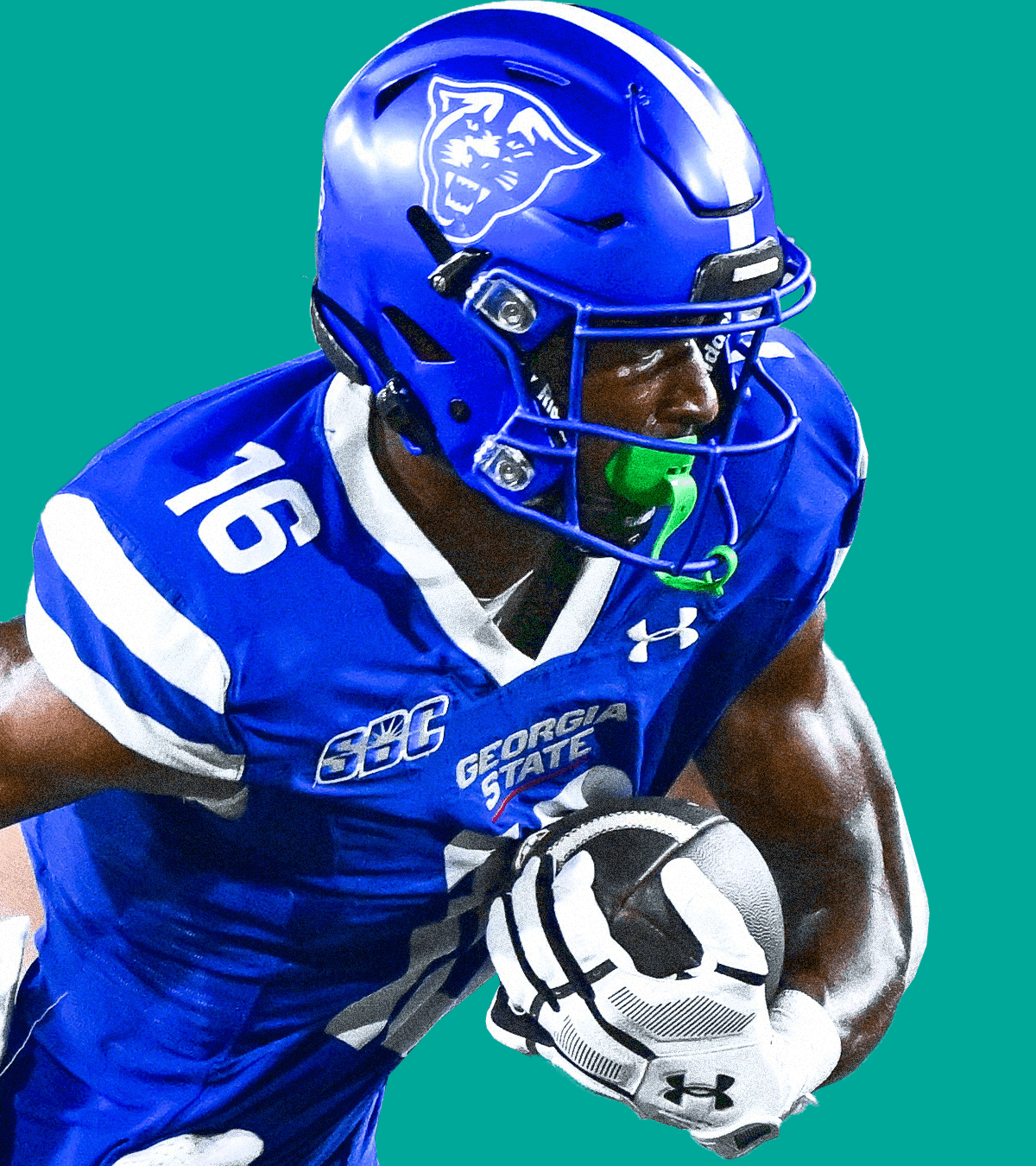
Round 3, pick 84: Ted Hurst, WR, Georgia State
Round 4, pick 116: Keionte Scott, CB, Miami
Round 5, pick 155: DeMonte Kapehart, DT, Clemson
Round 5, pick 160: Billy Schrauth, OG, Notre Dame
Round 6, pick 185: Bauer Sharp, TE, LSU
The Buccaneers stuck to a theme of big, strong, fast, and physical in this draft, and it started out with their first-round pick of Rueben Bain. The former Hurricanes star should be an early impact playmaker on the Tampa Bay defensive line and bring the non-stop motor, infectious tenacity, and skill set to play on all three downs. The team’s second-rounder, Josiah Trotter, is more of a run-stuffer than coverage whiz, but he’s another guy who plays with an edge, showing instincts to sift through the trash and find the runner in the backfield. Third-round receiver Ted Hurst profiles as a potential (poor man’s) Mike Evans replacement on the outside, boasting top-field speed and length to snare off-target throws. And I really like the way that fourth-round safety Keionte Scott plays as well: He’s aggressive in coverage, explosive on the blitz, and a dynamo against the run. Overall, the Buccaneers are a tougher, more rugged team than they were a few days ago.



Kansas CityChiefs
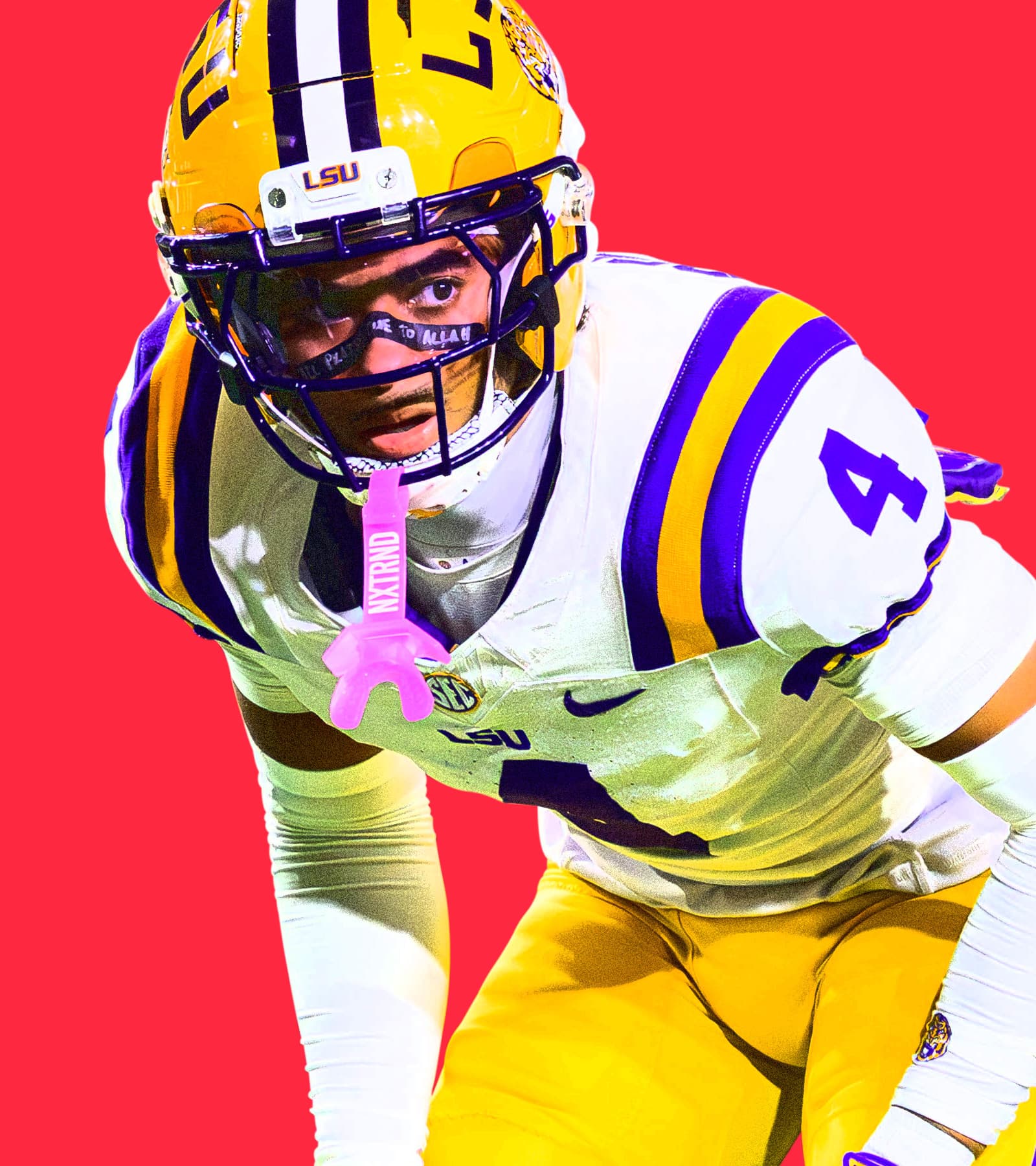
Round 1, pick 6: Mansoor Delane, CB, LSU
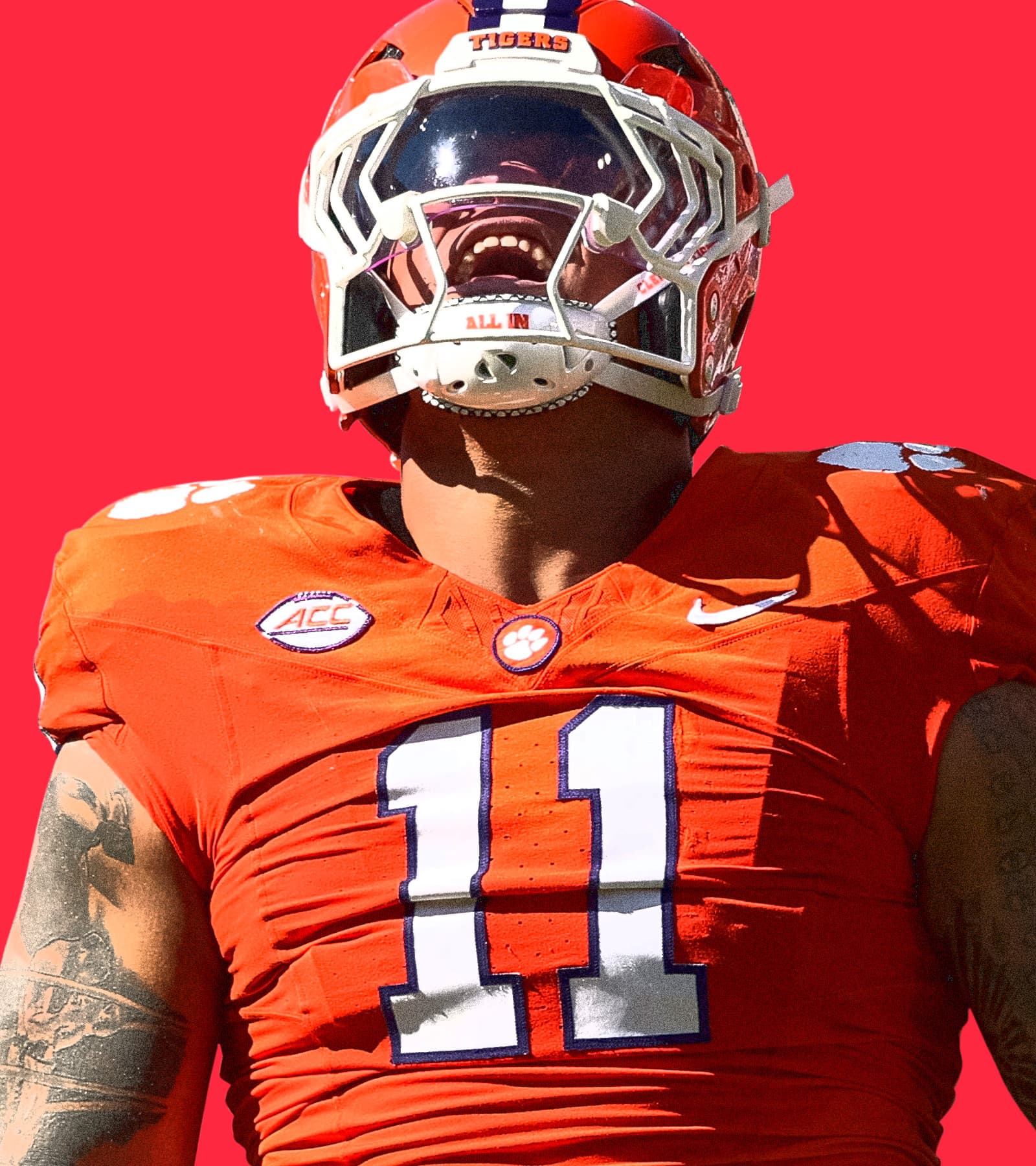
Round 1, pick 29: Peter Woods, DT, Clemson
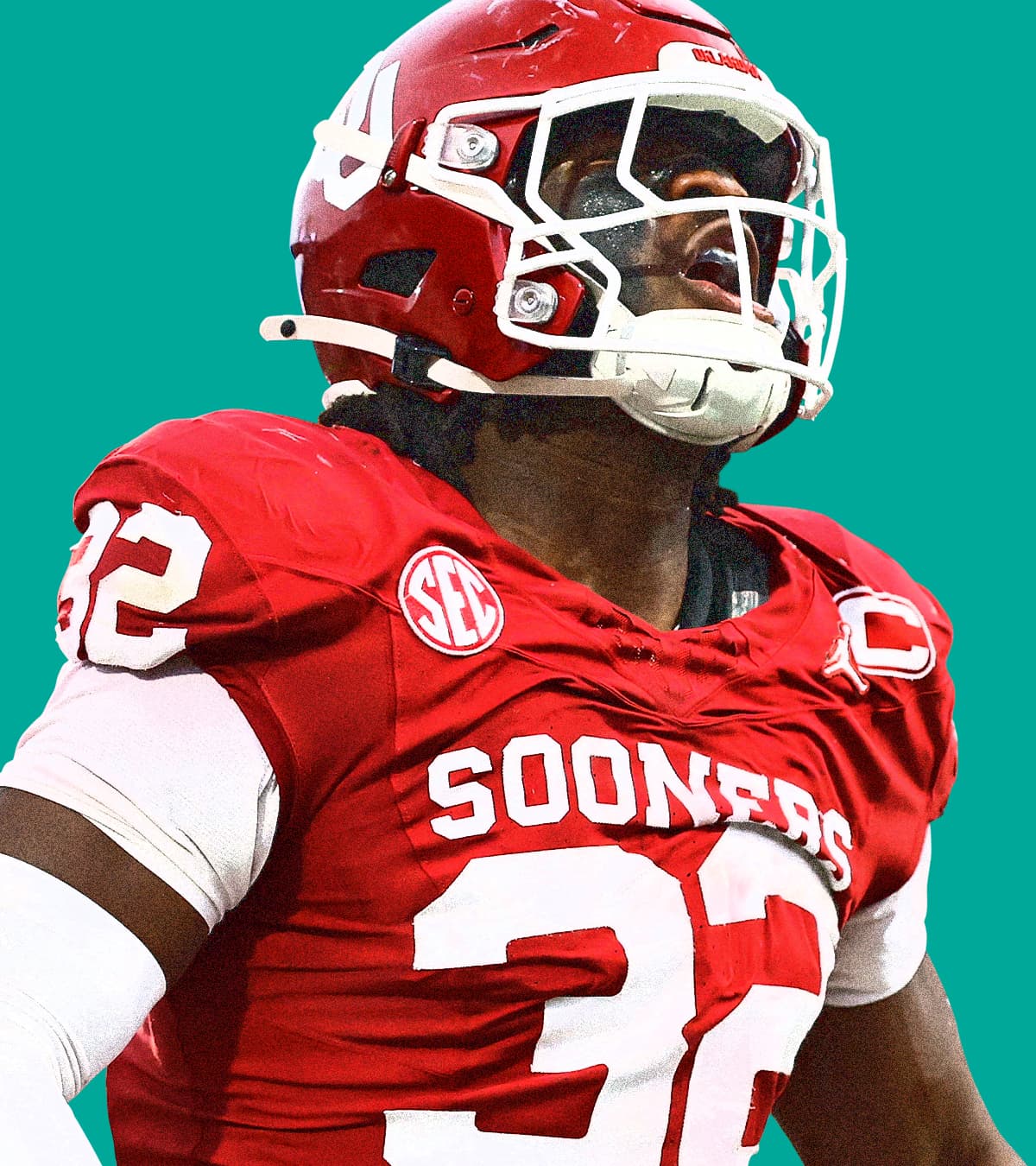
Round 2, pick 40: R Mason Thomas, Edge, Oklahoma
Round 4, pick 109: Jadon Canady, CB, Oregon
Round 5, pick 161: Emmett Johnson, RB, Nebraska
Round 5, pick 176: Cyrus Allen, WR, Cincinnati
Round 7, pick 249: Garrett Nussmeier, QB, LSU
The Chiefs put together one of the most exciting hauls of any team this weekend, adding a handful of potential future stars. They kicked things off on Thursday night by making a small trade up with the Browns to secure a day-one starter in cornerback Mansoor Delane. My clearcut no. 1 cornerback, Delane fills an obvious position of need for Kansas City. The Chiefs then turned around and used the pick they acquired from the Rams in the Trent McDuffie deal to add a disruptive interior defender in Peter Woods. The former Clemson standout wasn’t as productive as expected in 2025, but possesses scintillating movement skills and rare agility for a man his size. He brings potential to create chaos and collapse pockets for the Chiefs, especially when he’s lining up next to Chris Jones. The same could be said for the team’s second-rounder, Oklahoma edge rusher R Mason Thomas. Thomas is an explosive but undersized pass rusher who brings top-tier agility and excellent hand use to the edge. I thought the selection of Nebraska running back Emmett Johnson was an intriguing pick, as well. Johnson is excellent in the passing game and perfectly complements Kenneth Walker III, giving Kansas City another elusive back capable of carrying a heavy load. Add in the seventh-round selection of Garrett Nussmeier, who fell much further than expected but could be developed as a long-term backup to Patrick Mahomes, and it feels like Kansas City had a very productive three days.




CincinnatiBengals
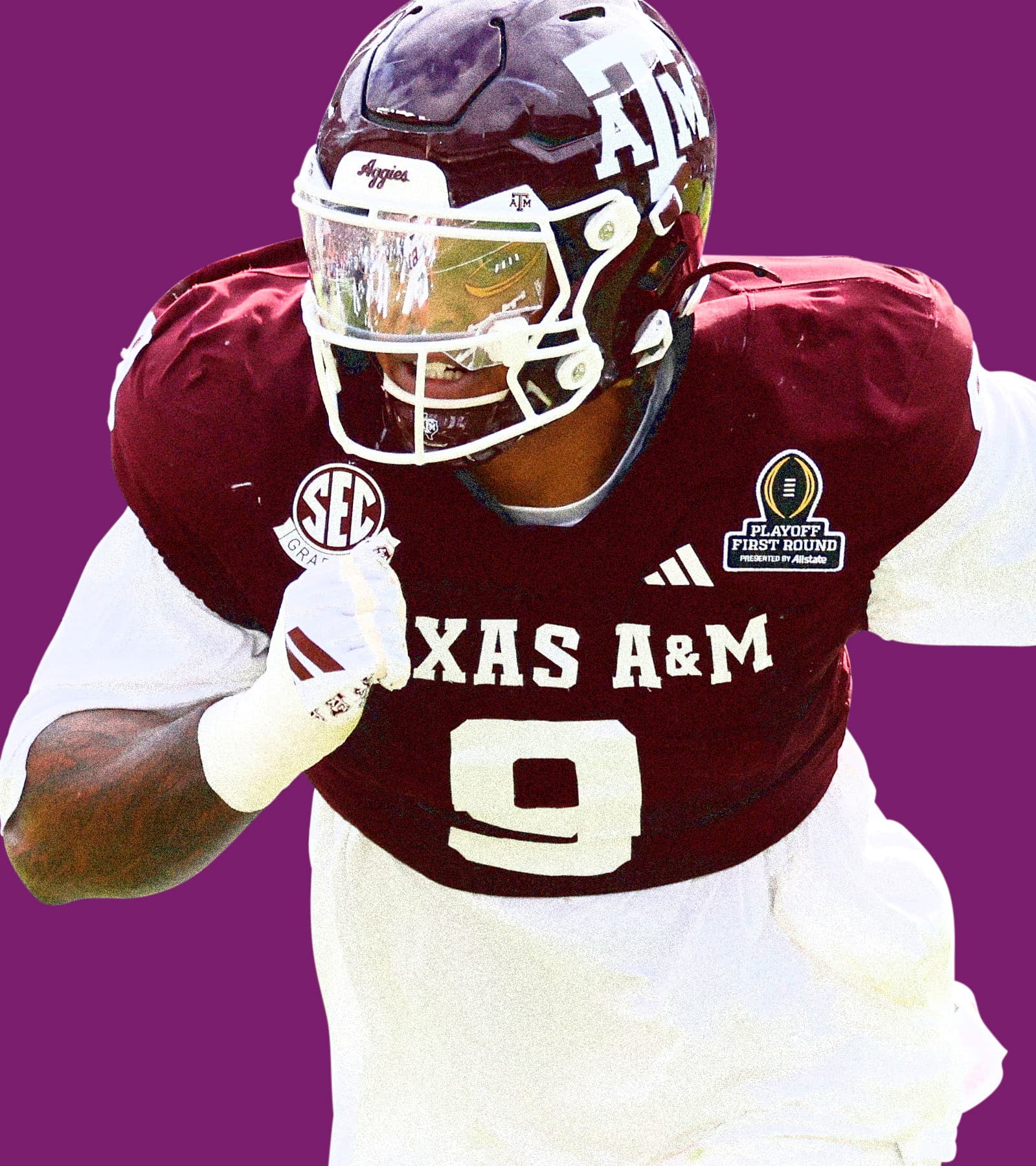
Round 2, pick 41: Cashius Howell, Edge, Texas A&M
Round 3, pick 72: Tacario Davis, CB, Washington
Round 4, pick 128: Connor Lew, C, Auburn
Round 4, pick 140: Colbie Young, WR, Georgia
Round 6, pick 189: Brian Parker II, C, Duke
Round 7, pick 221: Jack Endries, TE, Texas
Round 7, pick 226: Landon Robinson, DT, Navy
The Bengals can include star defensive tackle Dexter Lawrence in their draft-day haul after trading the 10th overall pick for the former Giant. With Lawrence secured, Cincy had to wait until the second day to start drafting but didn’t waste time in adding early contributors. Cashius Howell is an explosive, high-intensity rusher who will bring some much-needed heat from the edge. He figures to play a role in the pass rush rotation from day one. Tacario Davis is a long, athletic corner who can bring some depth to the secondary. The Bengals got a potential steal in Connor Lew in the fourth round. Lew fell in part because of an ACL injury he suffered last season, but he brings upside as a starter in the middle of the Cincy line. I also liked the team’s selection of seventh-round tight end Jack Endries. The former Longhorns standout has excellent body control and soft hands, giving Joe Burrow another potential weapon on short and intermediate targets over the middle. With Drew Sample, Mike Gesicki, and Tanner Hudson all over 30, Endries has a path to the field over the next couple of years. Overall, I liked what Cincinnati did in the draft, especially when you add Lawrence into the equation.
IndianapolisColts
Round 2, pick 53: CJ Allen, LB, Georgia
Round 3, pick 78: A.J. Haulcy, S, LSU
Round 4, pick 113: Jalen Farmer, OG, Kentucky
Round 4, pick 135: Bryce Boettcher, LB, Oregon
Round 5, pick 156: George Gumbs Jr., Edge, Florida
Round 6, pick 214: Caden Curry, edge, Ohio State
Round 7, pick 237: Seth McGowan, RB, Kentucky
Round 7, pick 254: Deion Burks, WR, Oklahoma
The Colts lacked a first-round pick (which they sent to the Jets in the 2025 trade for cornerback Sauce Gardner), but they still made the most of this draft, nabbing a handful of potential early starters. Georgia’s CJ Allen is a field-general type ’backer with instincts to sift through the trash and arrive at his target in the run game. LSU safety A.J. Haulcy brings a similar mentality, reading coverage and delivering big hits or flying downhill in run support. And guard Jalen Farmer is an athletic, well-built athlete on the interior who plays with excellent physicality. All in all, that’s an impressive haul—considering the team’s first pick came at no. 53 overall.

MiamiDolphins
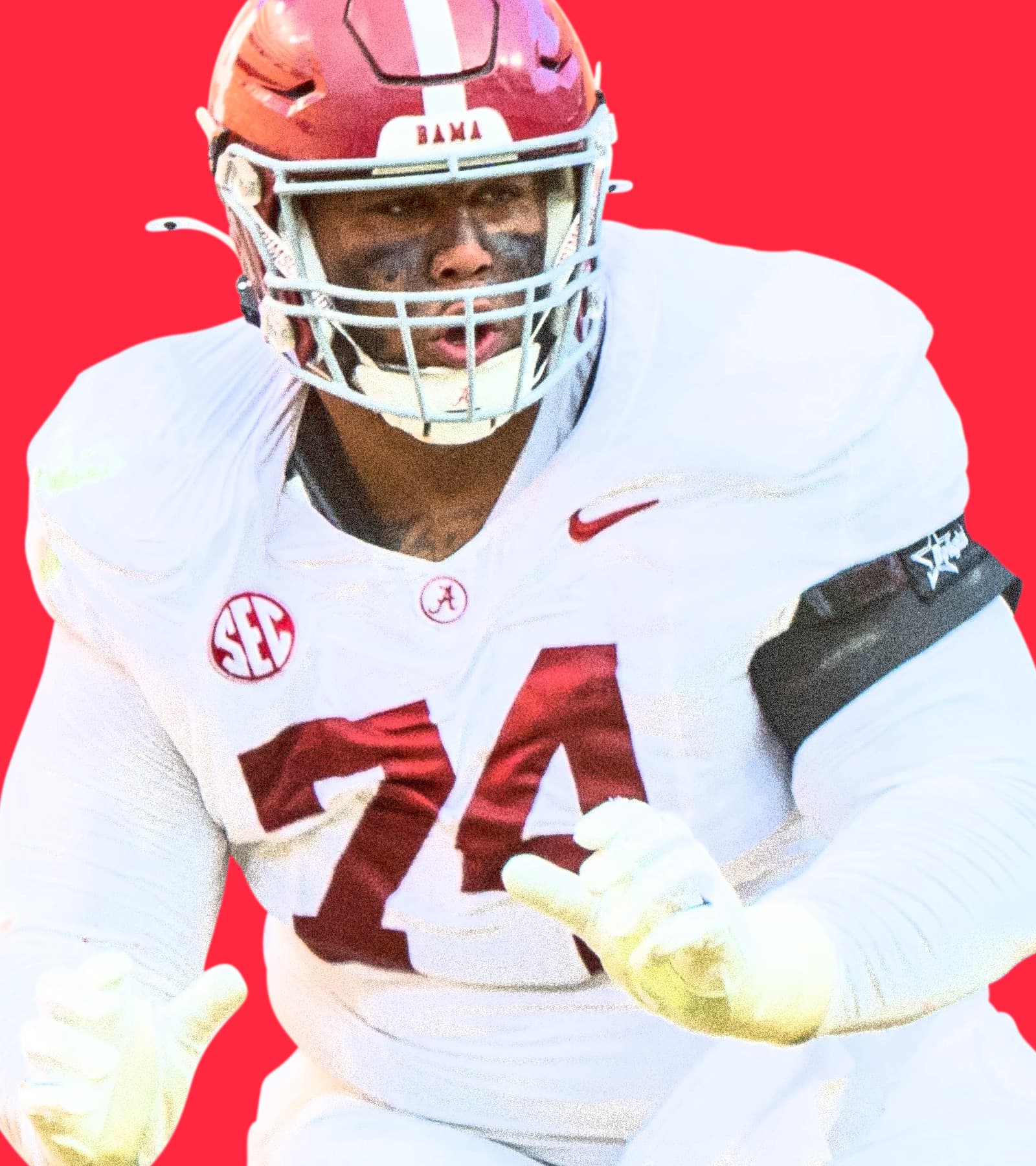
Round 1, pick 12: Kadyn Proctor, OT, Alabama
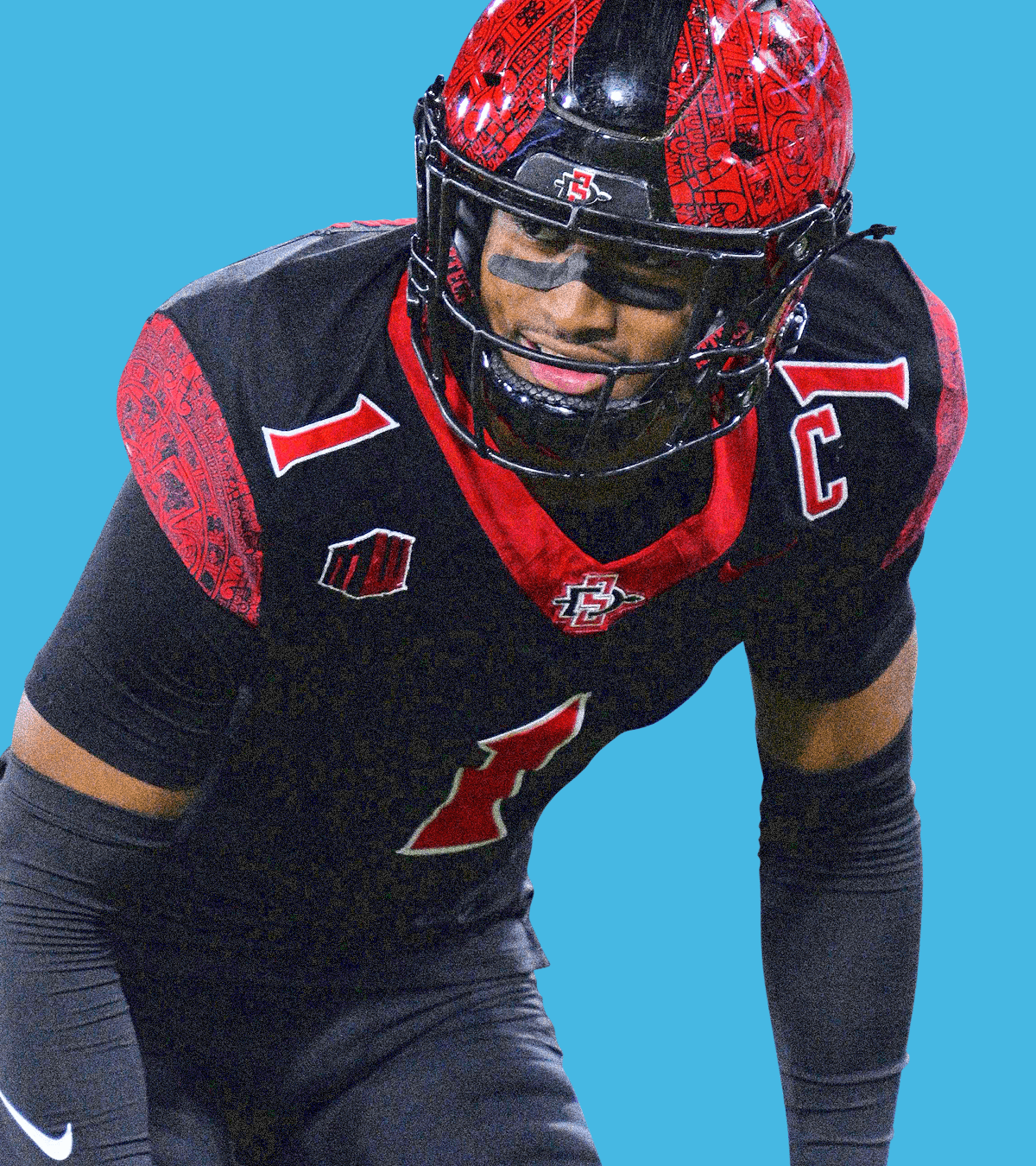
Round 1, pick 27: Chris Johnson, CB, San Diego State
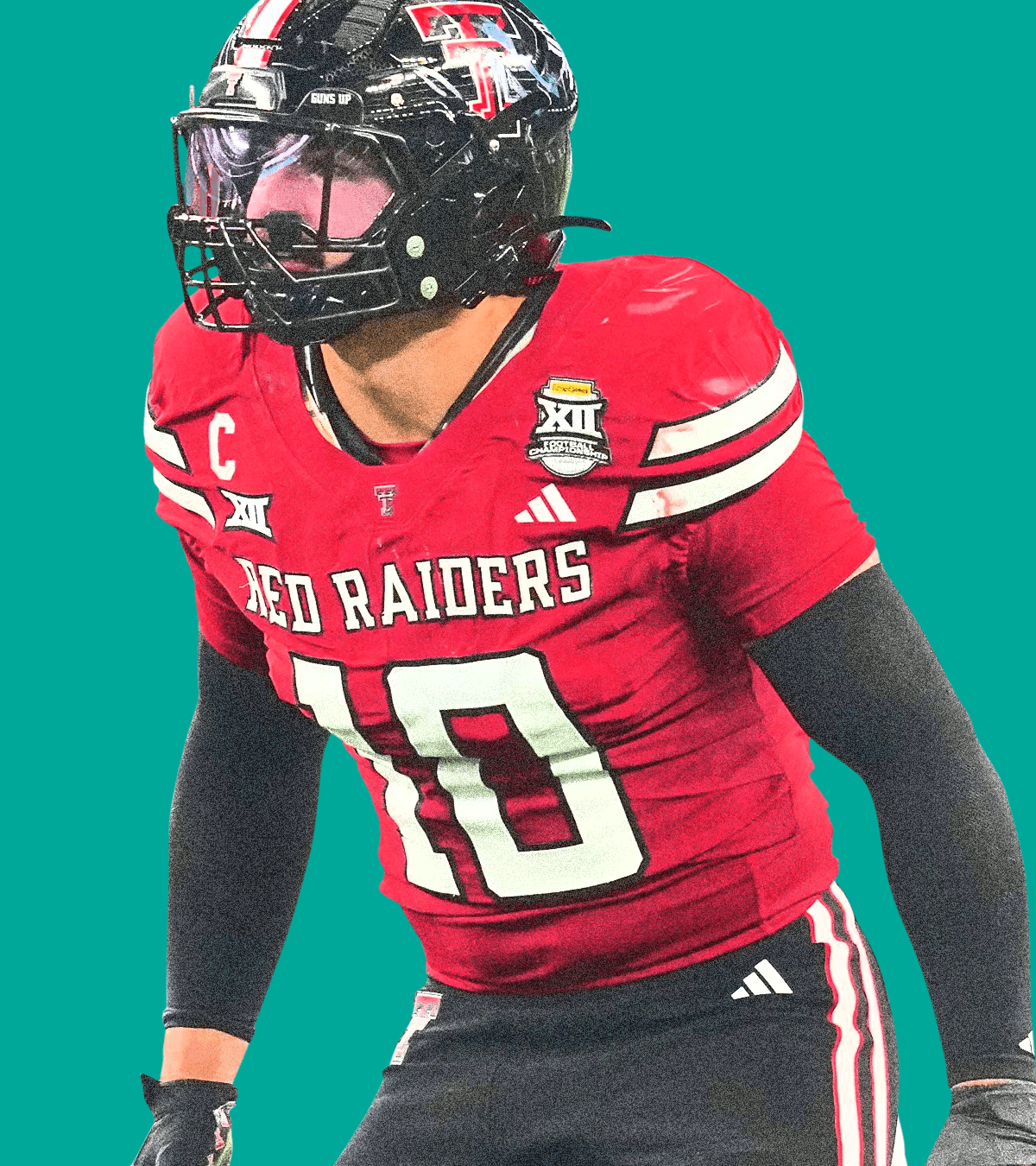
Round 2, pick 43: Jacob Rodriguez, LB, Texas Tech
Round 3, pick 75: Caleb Douglas, WR, Texas Tech
Round 3, pick 87: Will Kacmarek, TE, Ohio State
Round 3, pick 94: Chris Bell, WR, Louisville
Round 4, pick 130: Trey Moore, LB, Texas
Round 4, pick 138: Kyle Louis, LB, Pittsburgh
Round 5, pick 158: Michael Taaffe, S, Texas
Round 5, pick 177: Kevin Coleman Jr., WR, Missouri
Round 5, pick 180: Seydou Traore, TE, Mississippi State
Round 6, pick 200: DJ Campbell, OG, Texas
Round 7, pick 238: Max Llewellyn, Edge, Iowa
The Dolphins made approximately 80 picks in this draft, or that’s how it felt at least, and did a really nice job of adding depth and talent to what had become a depressingly barren roster. The team came away with a starting tackle (Alabama’s Kadyn Proctor) and cornerback (San Diego State’s Chris Johnson) with its pair of first-round picks, solidifying two of the most important spots of a rebuild. They added two rangy, playmaking linebackers in Jacob Rodriquez (second round) and Kyle Louis (fourth round), giving new head coach Jeff Hafley plenty of options in both base and sub-package looks. Crucially, the Dolphins looked to bolster their receiver group, too, and I’m sure Malik Willis was somewhere smiling when the team drafted personal favorites of mine in Chris Bell and Kevin Coleman Jr. (it also took Caleb Douglas in the third round). I won’t be surprised if both Bell and Coleman emerge as starters for this squad as early as this year. Overall, it’s clear that Miami has a ways to go in its full roster reset, but I was impressed with what new GM Jon-Eric Sullivan was able to accomplish in his first draft.


New EnglandPatriots
Round 1, pick 28: Caleb Lomu, OT, Utah
Round 2, pick 55: Gabe Jacas, Edge, Illinois
Round 3, pick 95: Eli Raridon, TE, Notre Dame
Round 5, pick 171: Karon Prunty, CB, Wake Forest
Round 6, pick 196: Dametrious Crownover, OT, Texas A&M
Round 6, pick 212: Namdi Obiazor, LB, TCU
Round 7, pick 234: Behren Morton, QB, Texas Tech
Round 7, pick 245: Jam Miller, RB, Alabama
Round 7, pick 247: Quintayvious Hutchins, Edge, Boston College
The Patriots did well for themselves picking from such a late slot in the draft, making small moves to land the guys they really wanted. New England jumped up three spots in the first round to land a smooth-moving tackle in Caleb Lomu, an excellent athlete who could be a future starter at both tackle spots. Eliot Wolf maneuvered up in the second round, too, grabbing a powerhouse pass rusher in Gabe Jacas. Jacas was one of my favorite edge players in this class, possessing incredible strength and balance as a rusher and excellent closing speed to finish. He should be an early contributor on the team’s edge group rotation. Tight end Eli Raridon is a smart pick in the third round, giving the Patriots a potential successor for Hunter Henry. Raridon may need a bit of a runway to develop, but he possesses the skill set to become a true in-line Y tight end. Overall, the top of this class looks great—and Lomu and Jacas in particular could play impact roles very early on.

New YorkJets
Round 1, pick 2: David Bailey, Edge, Texas Tech
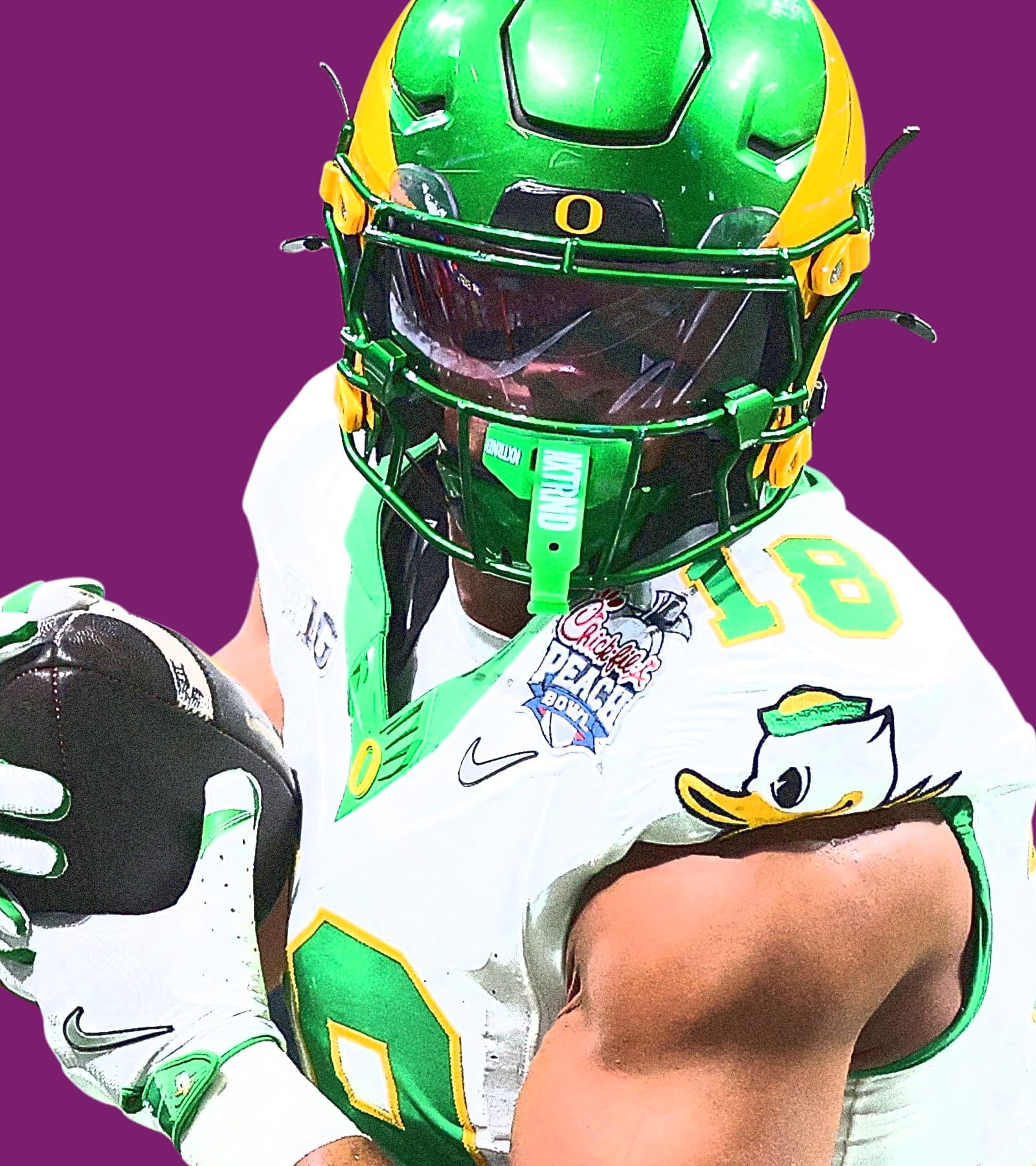
Round 1, pick 16: Kenyon Sadiq, TE, Oregon
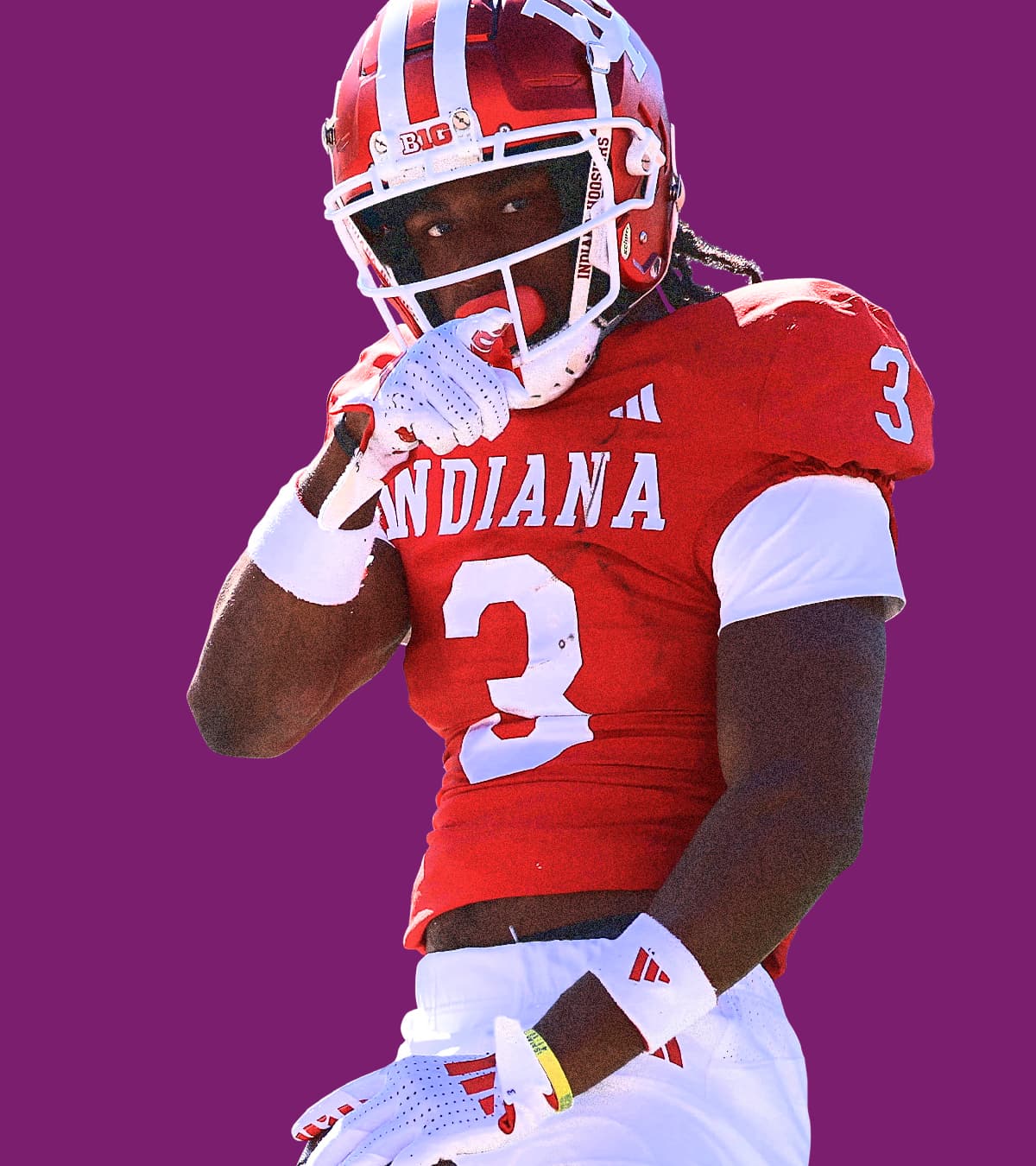
Round 1, pick 30: Omar Cooper Jr., WR, Indiana
Round 2, pick 50: D’Angelo Ponds, CB, Indiana
Round 4, pick 103: Darrell Jackson Jr., DT, Florida State
Round 4, pick 110: Cade Klubnik, QB, Clemson
Round 6, pick 188: Anez Cooper, OG, Miami
Round 7, pick 228: VJ Payne, S, Kansas State
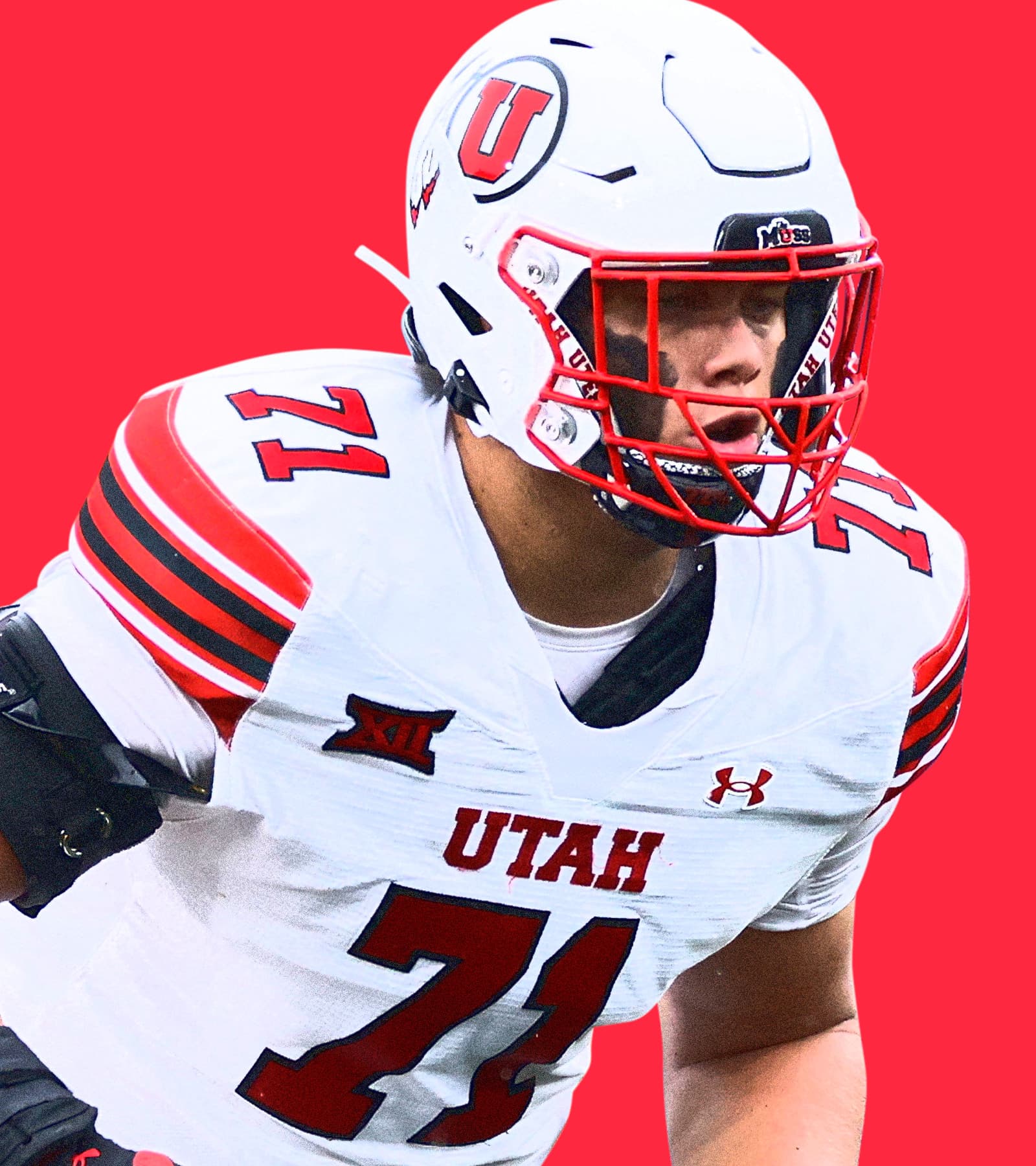
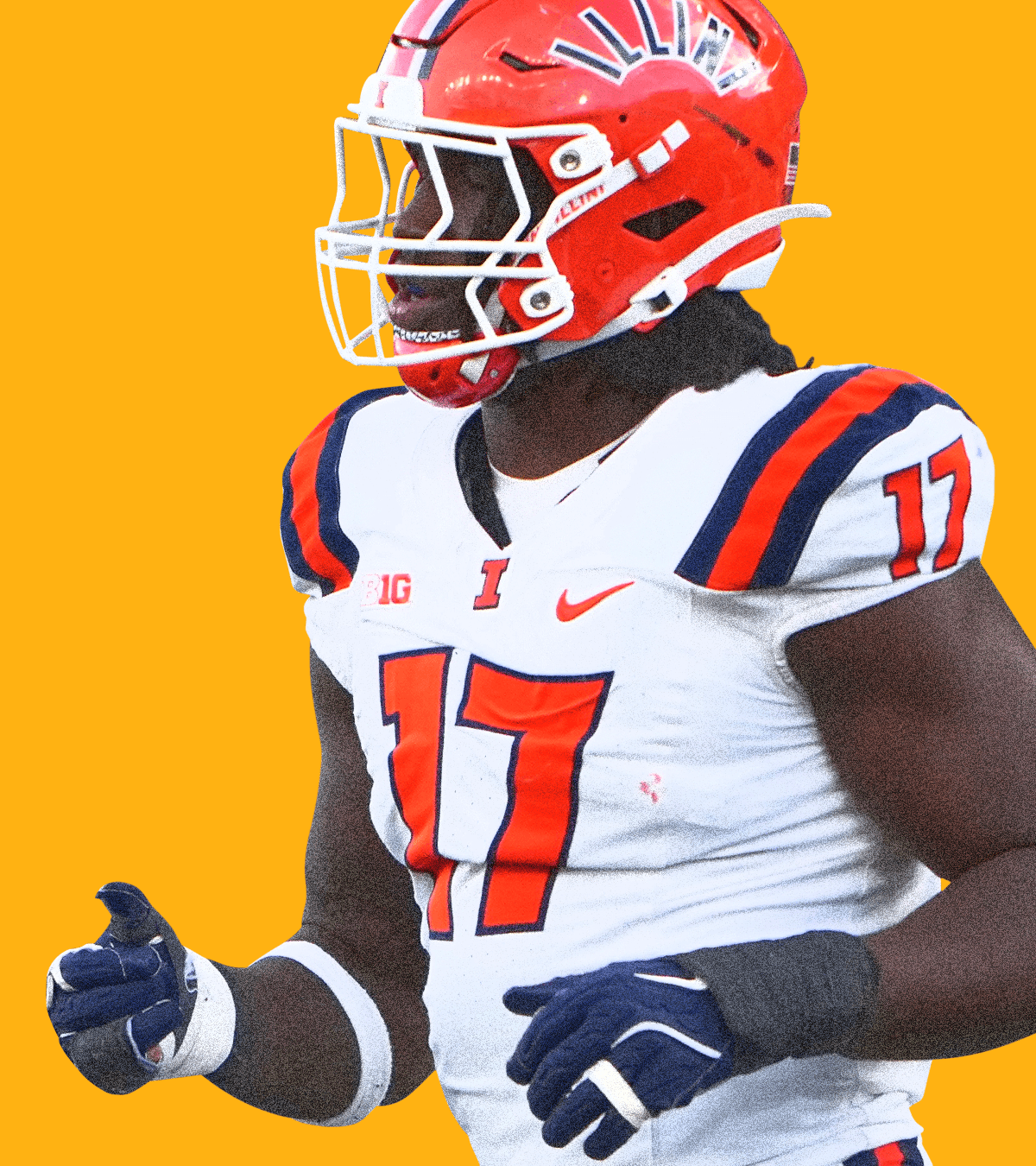
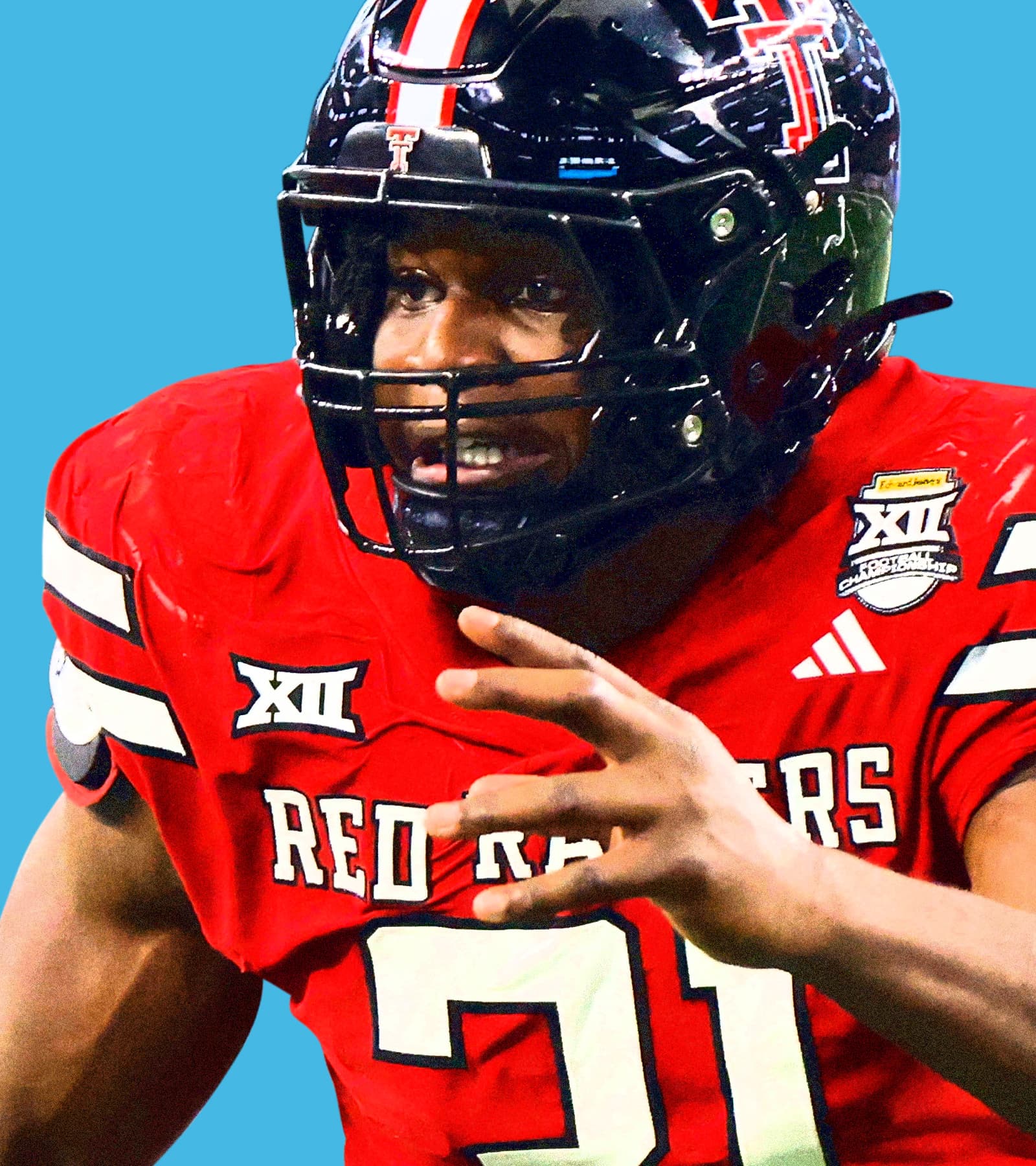
The Jets came into the draft armed with a ton of capital and came out of it with a handful of early impact starters. Edge rusher David Bailey is an explosive pass rusher with excellent first-step burst and incredible closing speed. Kenyon Sadiq is one of the best athletes we’ve ever seen at the tight end position; he’s a versatile playmaker who can run after the catch and be featured in the red zone. And Omar Cooper is a dynamic, do-it-all receiver with great hands who plays with toughness and focus at the catch point. All three of the team’s first-rounders are likely to contribute right away. I also absolutely loved their selection of cornerback D’Angelo Ponds in the second round. He’s a ferocious, highly dynamic playmaker with inside-outside versatility. The decision to take Bailey over Arvell Reese will be one worth tracking closely over the next few years, but on the whole, the Jets added significant talent this weekend.


PhiladelphiaEagles
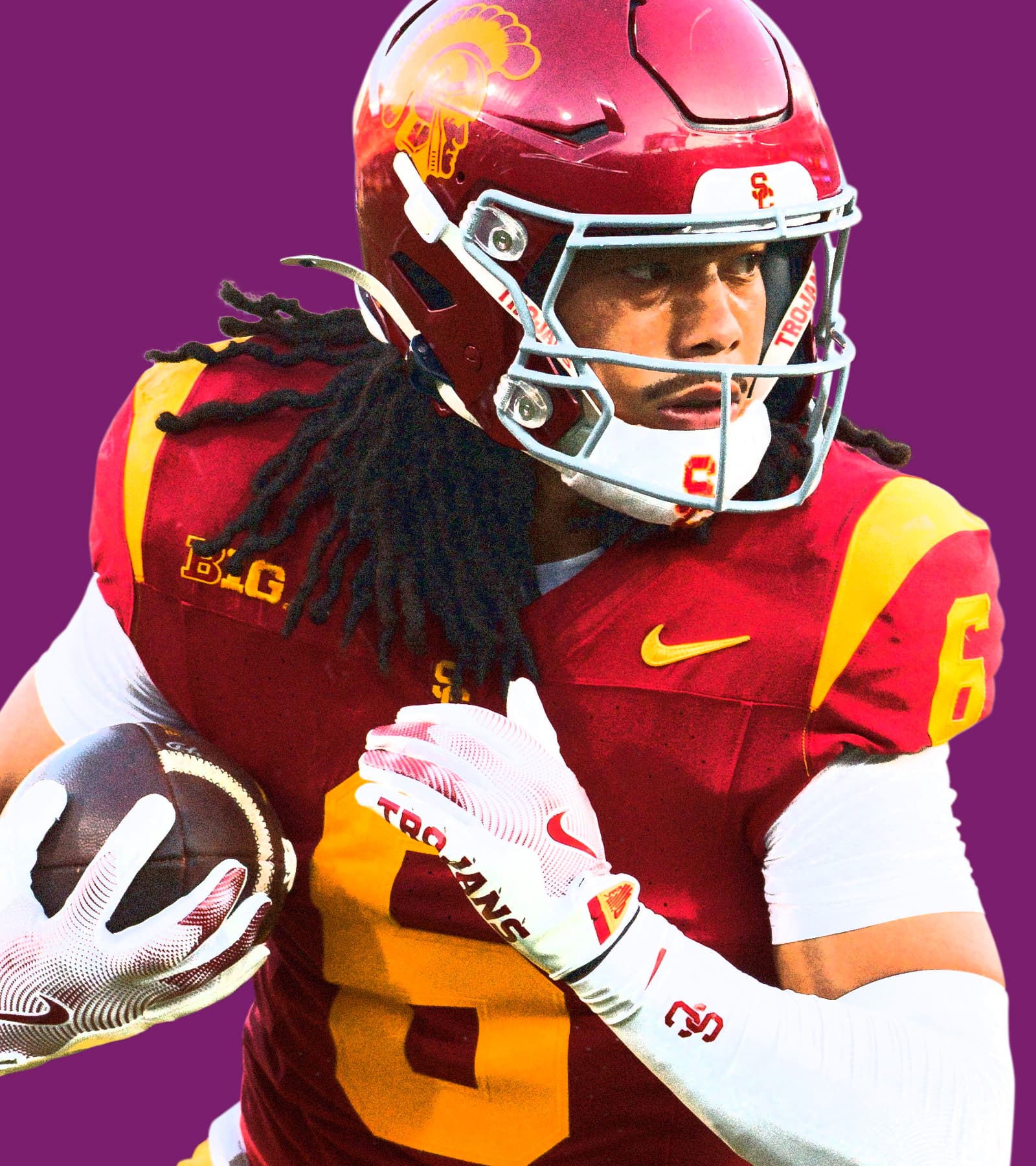
Round 1, pick 20: Makai Lemon, WR, USC
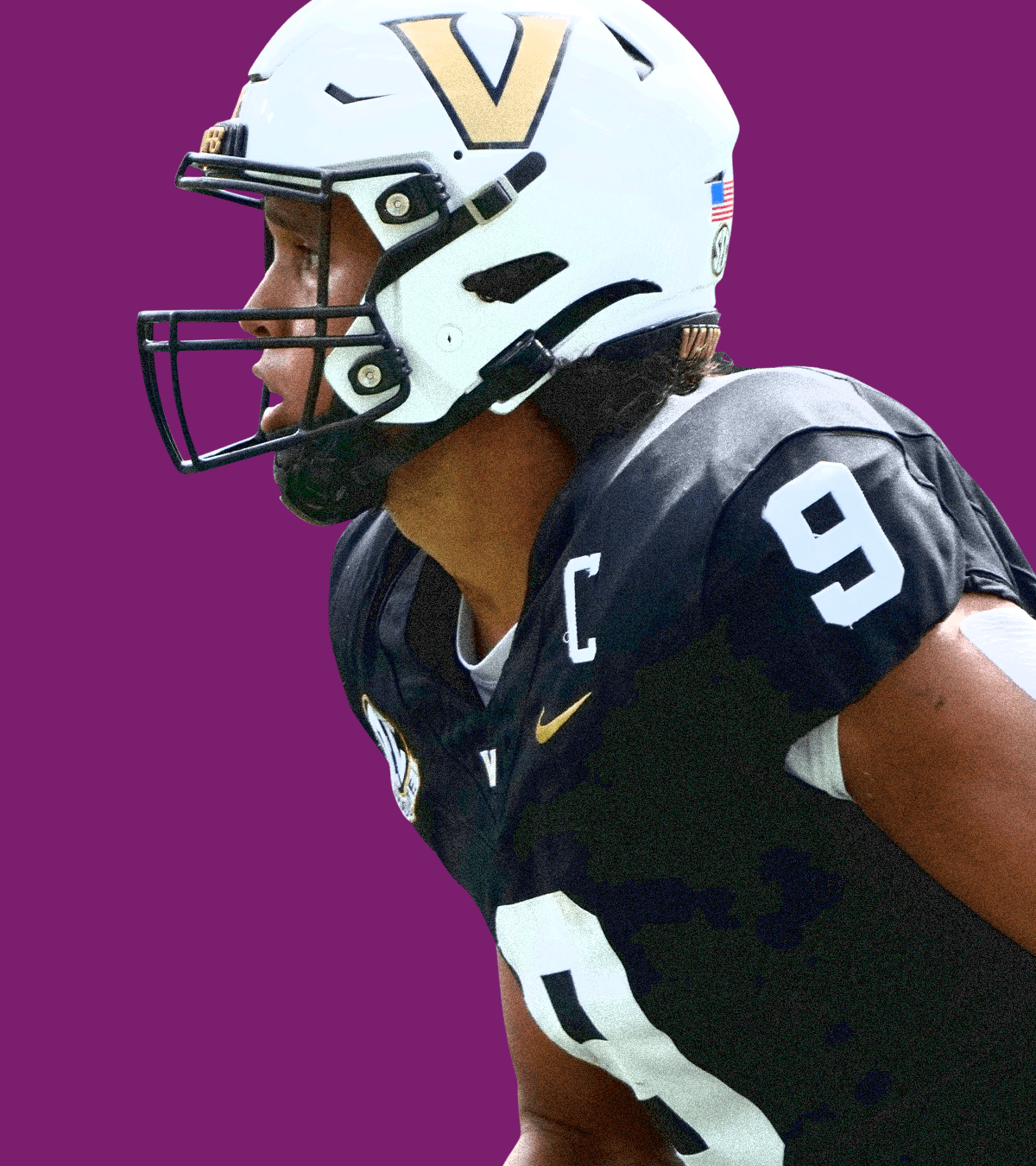
Round 2, pick 54: Eli Stowers, TE, Vanderbilt
Round 3, pick 68: Markel Bell, OT, Miami
Round 5, pick 178: Cole Payton, QB, North Dakota State
Round 6, pick 207: Micah Morris, OG, Georgia
Round 7, pick 244: Cole Wisniewski, S, Texas Tech
Round 7, pick 251: Uar Bernard, DT, Nigeria
Round 7, pick 252: Keyshawn James-Newby, Edge, New Mexico
The Eagles seemingly started planning for life after A.J. Brown in this draft, moving up a few spots in the first round to grab USC receiver Makai Lemon before adding an uber-athletic “move” tight end in Eli Stowers in the second. This new duo should help Jalen Hurts and the Eagles offense find more efficiency over the middle of the field, where both Lemon and Stowers are at their best. The additions of both Miami tackle Markell Bell and Georgia guard Micah Morris bolster the team’s offensive line, and snagging North Dakota State quarterback Cole Payton keeps the lights on in their so-called “quarterback factory.” Payton’s a highly athletic Taysom Hill–type quarterback who not only attacks defenses deep with his arm, but can make them pay with his legs. Add in the team’s draft weekend trade for Vikings edge rusher Jonathan Greenard (the Eagles gave up a third-rounder this year and a third-rounder next year) and, once again, I come away impressed with a Howie Roseman haul.



PittsburghSteelers
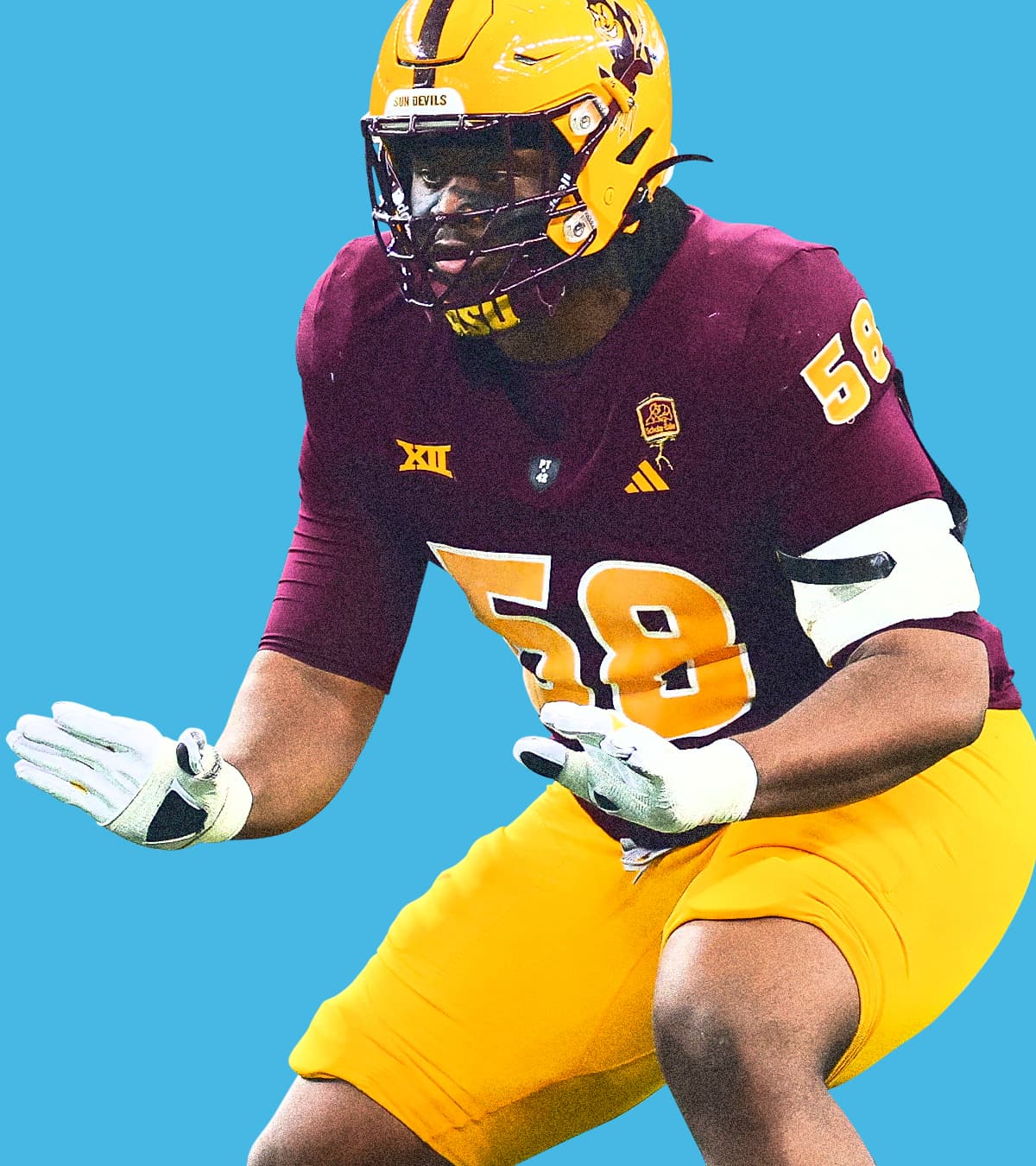
Round 1, pick 21: Max Iheanachor, OT, Arizona State
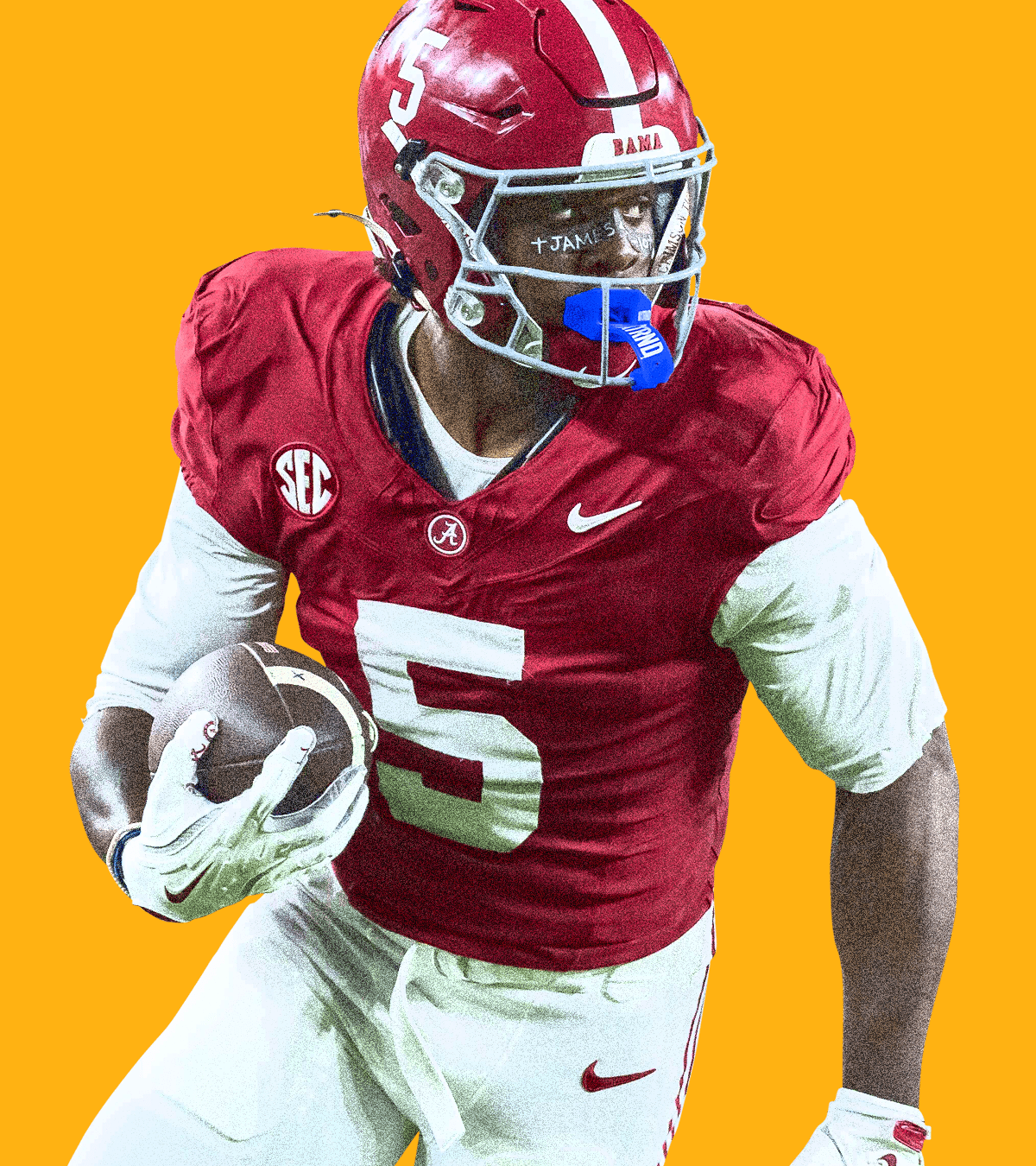
Round 2, pick 47: Germie Bernard, WR, Alabama
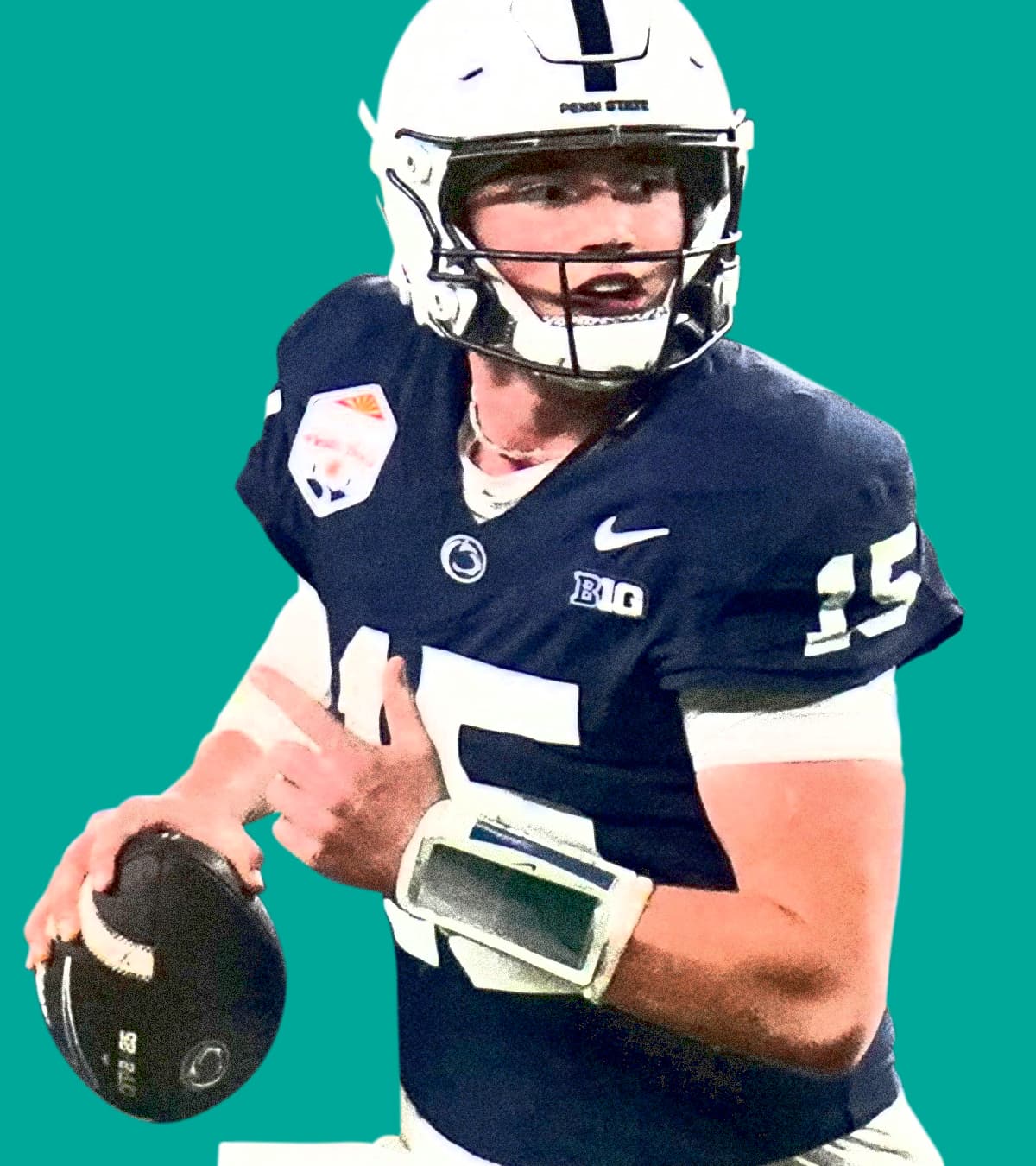
Round 3, pick 76: Drew Allar, QB, Penn State
Round 3, pick 85: Daylen Everette, CB, Georgia
Round 3, pick 96: Gennings Dunker, OT, Iowa
Round 4, pick 121: Kaden Wetjen, WR, Iowa
Round 5, pick 169: Riley Nowakowski, TE, Indiana
Round 6, pick 210: Gabriel Rubio, DT, Notre Dame
Round 7, pick 224: Robert Spears-Jennings, S, Oklahoma
Round 7, pick 230: Eli Heidenreich, RB, Navy
The Steelers got leap-frogged by the Eagles for Makai Lemon during the first round of the draft, but when I look at the makeup of this class I really like how things shook out for them. Pittsburgh pivoted to offensive tackle Max Iheanachor with the 21st overall pick, adding a high-upside, easy-moving blocker who can start for the team early on. They turned around and got an arbitrage version of Lemon in Germie Bernard, who brings electric run-after-the-catch talent and toughness to the receiver spot. Grabbing Drew Allar with the first of three third-rounders feels like an acceptable dice throw, given Allar’s exceptional physical traits. If Pittsburgh can work through some of the issues that Allar has with his footwork, he’ll bring developmental upside. Pittsburgh looked back to the offensive line spot with the Gennings Dunker pick, adding a country-strong blocker who could find a home at guard. The most intriguing pick of their weekend might be Eli Heidenreich, a versatile running back who excels as a pass catcher. There’s a world in which he ends up playing a Kenneth Gainwell–like role for this offense. All in all, the Steelers addressed their major positions of need.



WashingtonCommanders
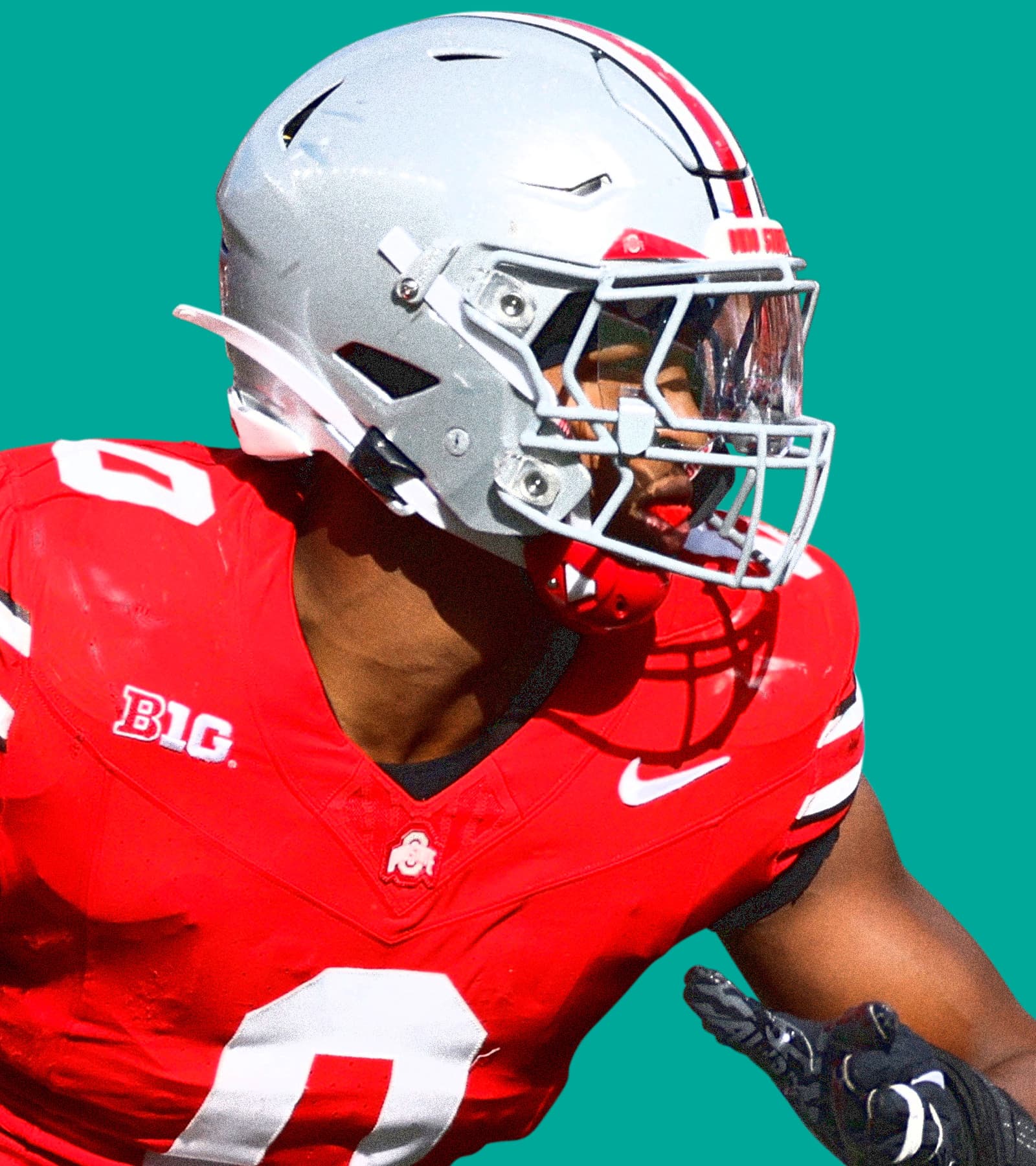
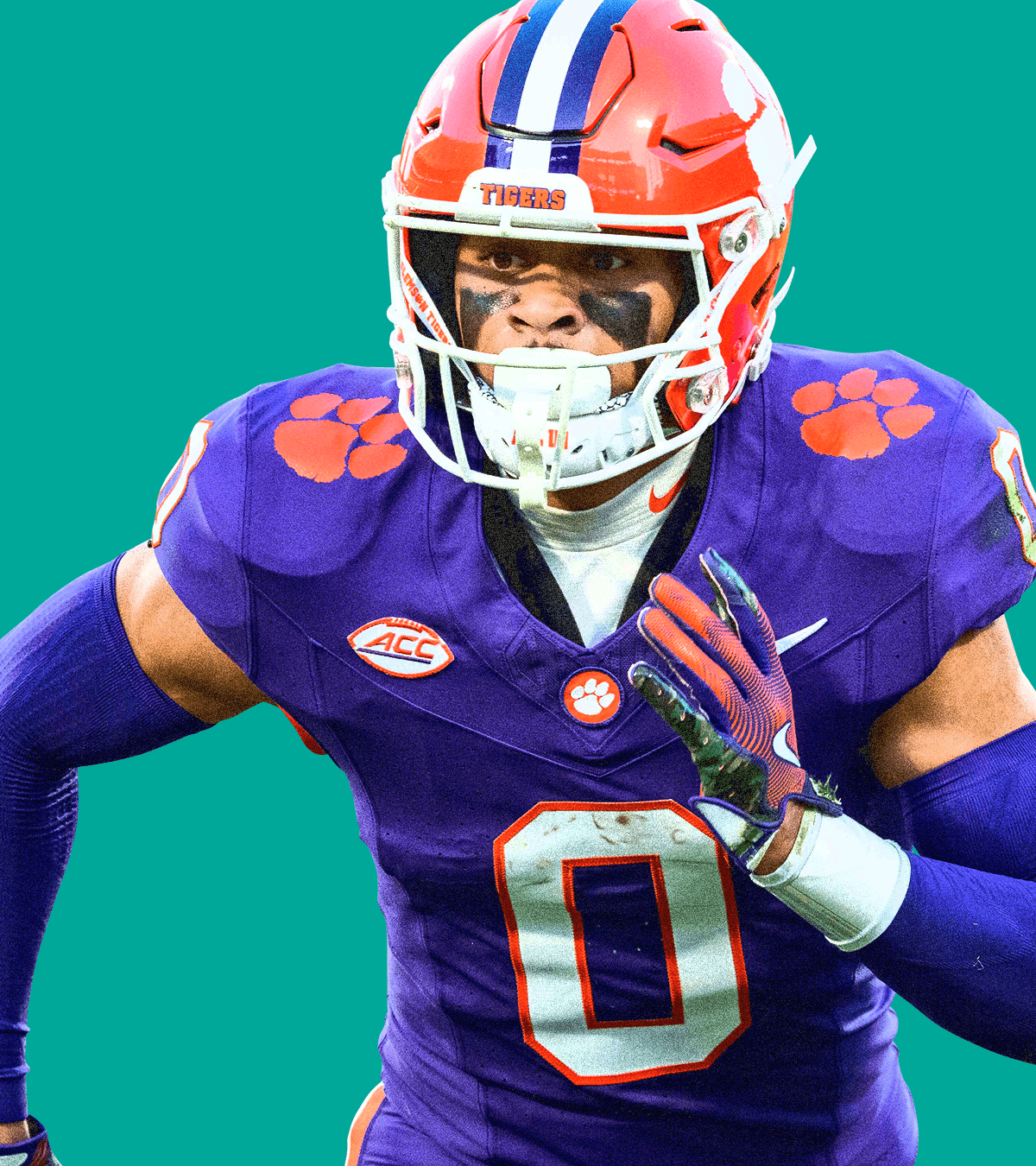
Round 1, pick 7: Sonny Styles, LB, Ohio State
Round 3, pick 71: Antonio Williams, WR, Clemson
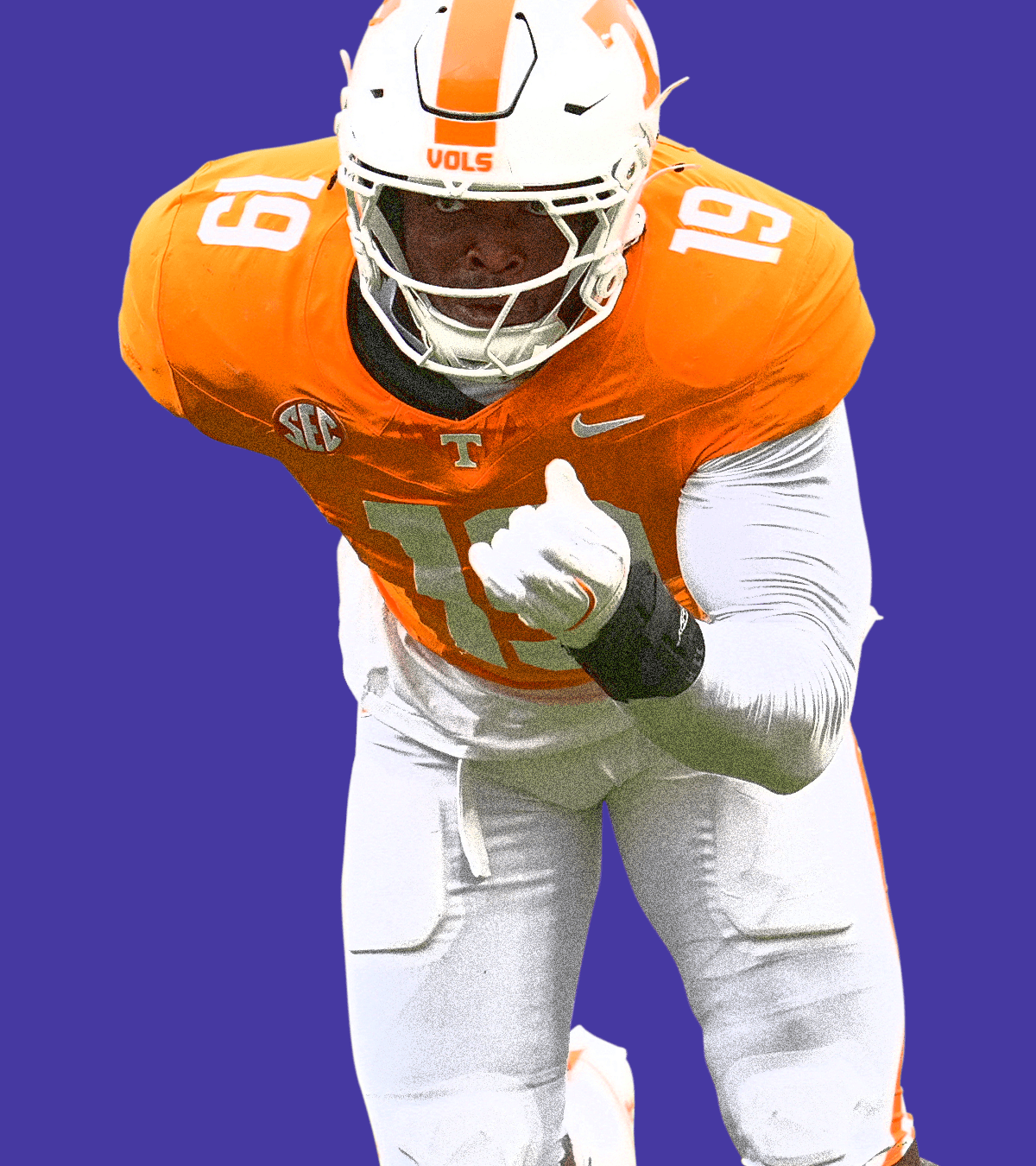
Round 5, pick 147: Joshua Josephs, Edge, Tennessee
Round 6, pick 187: Kaytron Allen, RB, Penn State
Round 6, pick 209: Matt Gulbin, C, Michigan State
Round 7, pick 223: Athan Kaliakmanis, QB, Rutgers
The Commanders seemed to fly under the radar a bit during a wild and wacky first round, but their selection of Sonny Styles at no. 7 was one of my favorite picks. Styles is an extremely rangy, reliable tackler who brings untapped upside as a blitzer and situational pass rusher. He fills a big hole created by the departure of Bobby Wagner, giving the team a playmaker to build around at the second level. I thought the pick of wide receiver Antonio Williams in the third round was a smart one: He’s a dynamic route runner who catches everything and creates after-the-catch out of the slot, giving Jayden Daniels a potential no. 2 option opposite Terry McLaurin. Edge rusher Joshua Josephs has excellent burst off the edge and gives the team a speed rusher who can contribute to the pass rush rotation right away. And running back Kaytron Allen could see the field early on; he lacks high-end burst, but he’s a physical, elusive runner who creates on his own and can grind out hard yards. Washington added multiple early-impact playmakers, and this class could help get the team back on track in 2026.

DenverBroncos
Round 3, pick 66: Tyler Onyedim, DT, Texas A&M
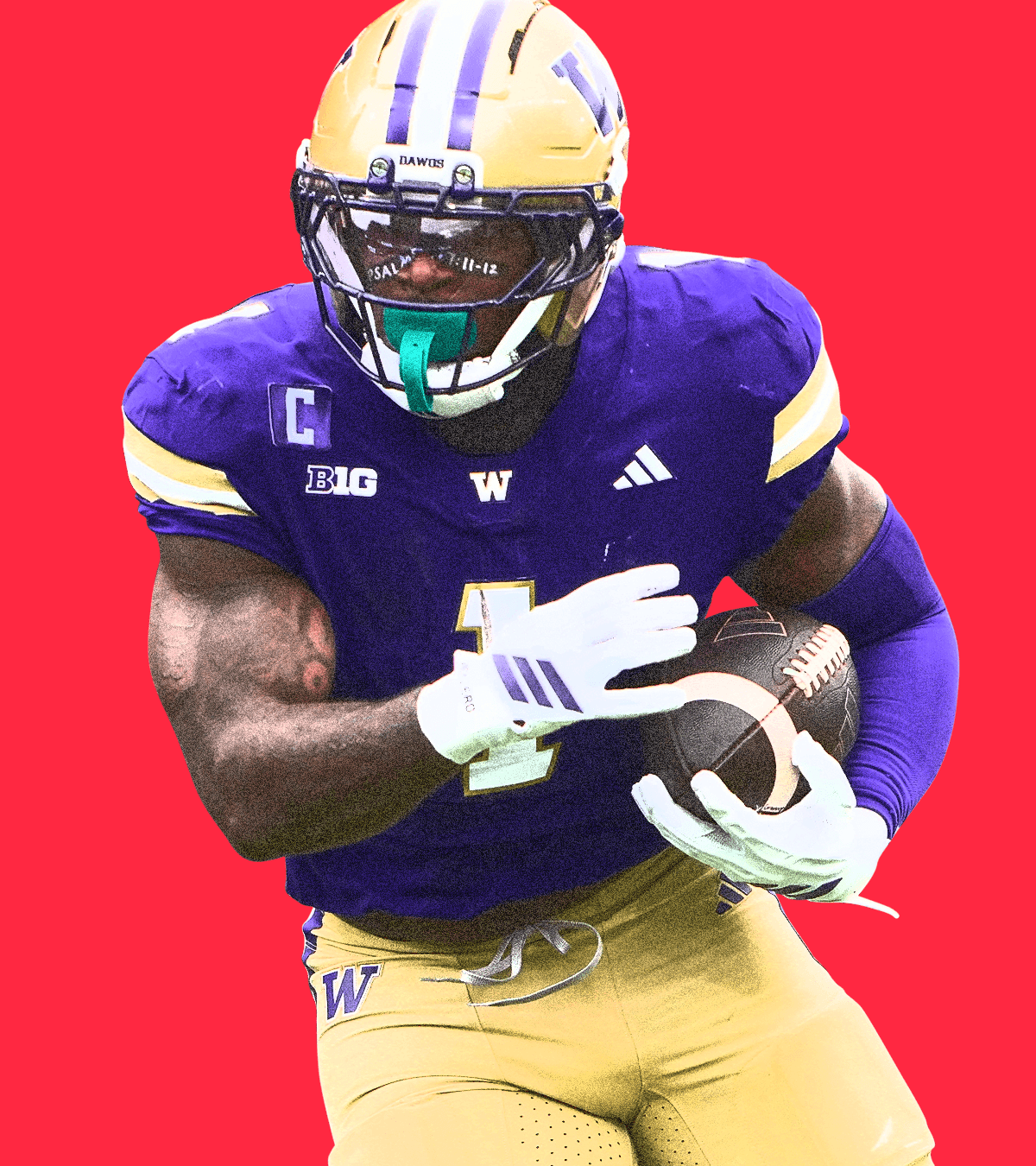
Round 4, pick 108: Jonah Coleman, RB, Washington
Round 4, pick 111: Kage Casey, OT, Boise State
Round 5, pick 152: Justin Joly, TE, NC State
Round 7, pick 246: Miles Scott, S, Illinois
Round 7, pick 256: Dallen Bentley, TE, Utah
Round 7, pick 257: Red Murdock, LB, Buffalo
After sending their first-round pick to Miami in exchange for receiver Jaylen Waddle, the Broncos didn’t make their first pick until early in the third round. They added some intriguing potential contributors with their picks, though, kicking it off with defensive tackle Tyler Onyedim. The former Aggies standout is an explosive interior penetrator with good length and plenty of power. He could bolster an already strong Broncos pass rush group and see snaps right away. I liked the selection of Washington running back Jonah Coleman, who is one of my favorite backs in this entire class. Coleman’s a rolling ball of butcher knives, offering excellent short-area burst and tackle-breaking prowess. He lacks juice, but it wouldn’t be a big surprise to see him earning touches this year with the thought he’s the long-term successor to J.K. Dobbins. Boise State offensive tackle Kage Casey adds depth to the team’s offensive line and brings tackle-guard versatility going forward. And don’t forget about NC State tight end Justin Joly, who brings an Evan Engram–type skill set to the table. It’s not a headline-producing class for the Broncos, but when you add Waddle to the equation this looks like a quality haul.
DetroitLions
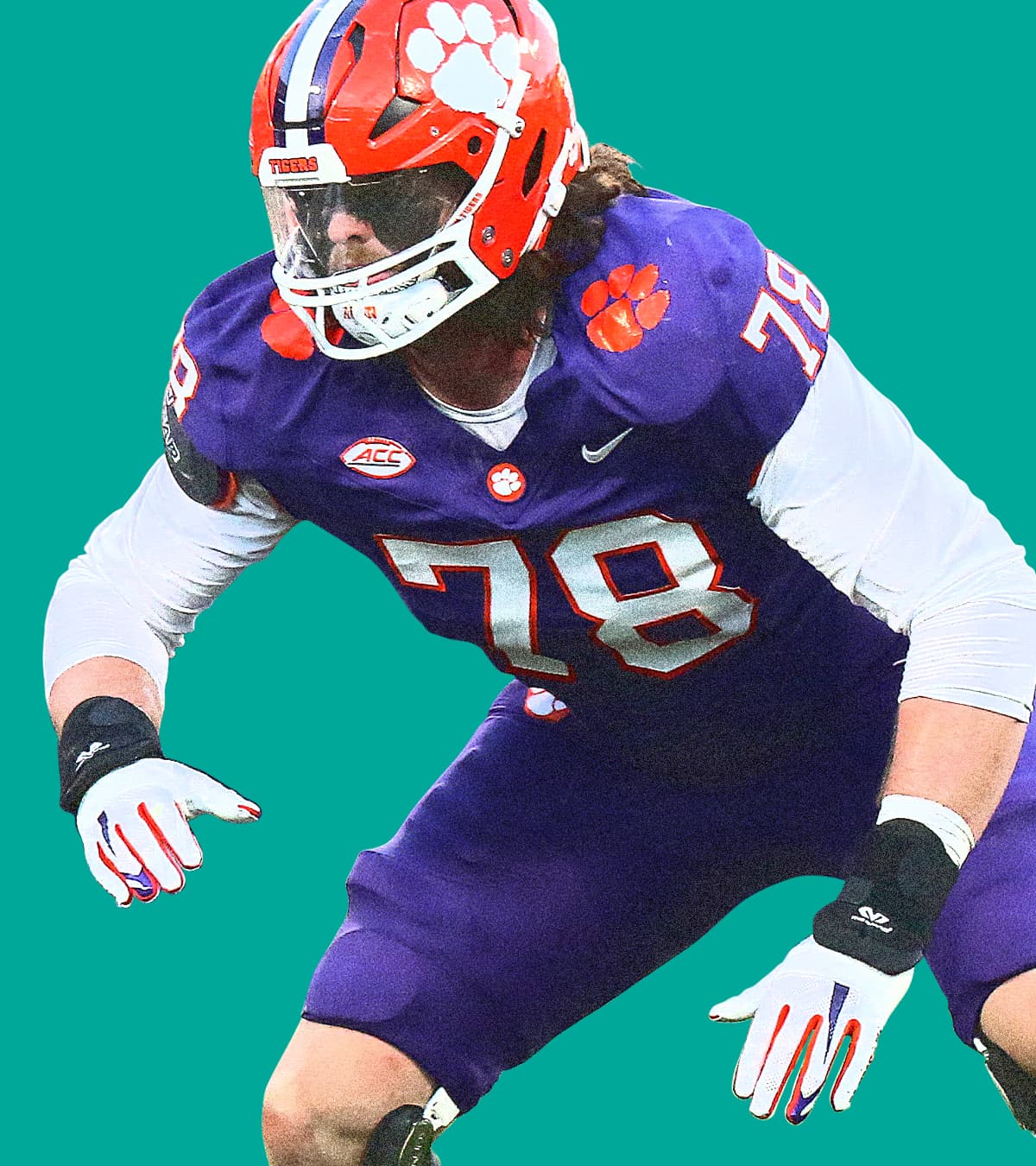
Round 1, pick 17: Blake Miller, OT, Clemson
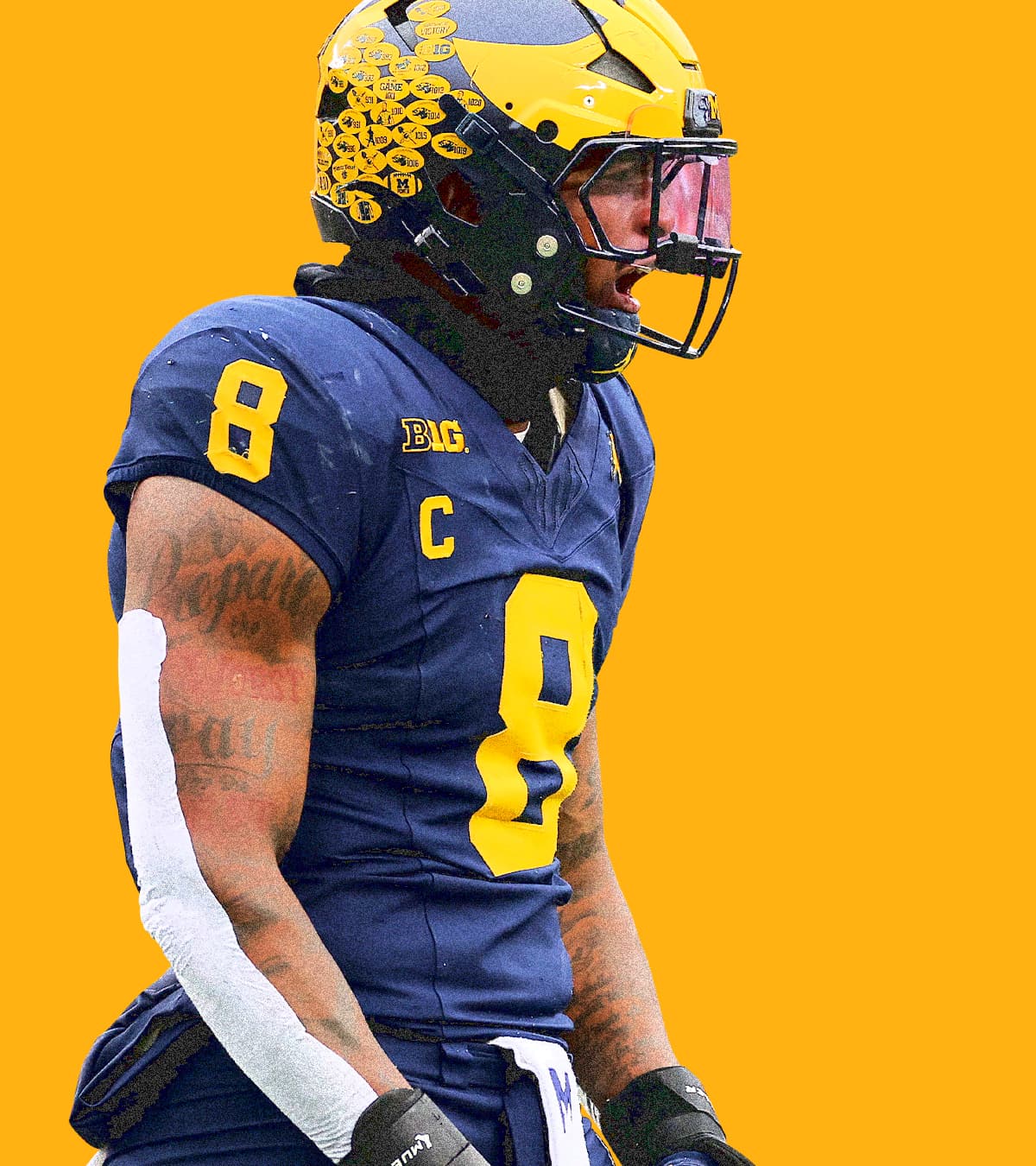
Round 2, pick 44: Derrick Moore, Edge, Michigan
Round 4, pick 118: Jimmy Rolder, LB, Michigan
Round 5, pick 157: Keith Abney II, CB, Arizona State
Round 5, pick 168: Kendrick Law, WR, Kentucky
Round 6, pick 205: Skyler Gill-Howard, DT, Texas Tech
Round 7, pick 222: Tyre West, Edge, Tennessee
This was a classic meat-and-potatoes draft for the Lions. GM Brad Holmes and HC Dan Campbell rightly targeted the offensive line in the first round, adding a tough and durable right tackle in Blake Miller. With 54 career starts under his belt, Miller’s extremely battle-tested and the type of hard-nosed player you’d expect Detroit to gravitate to. He should start right away on the right side as Penei Sewell moves to the left tackle spot. In the second round, the Lions added a tough and tenacious power rusher in Derrick Moore. Moore would rather go through offensive tackles than try to get around them, and more often than not he seems to succeed with this plan. He might need to expand his repertoire in the pros, but he offers upside to develop into a starter opposite Aidan Hutchinson. I liked the Keith Abney pick in the fifth round, too: A former competitive inline roller skating champion, he’s an instinctive and savvy defender with a knack for getting his hands on the football. It’s another rough-and-tumble draft class for Detroit.
HoustonTexans
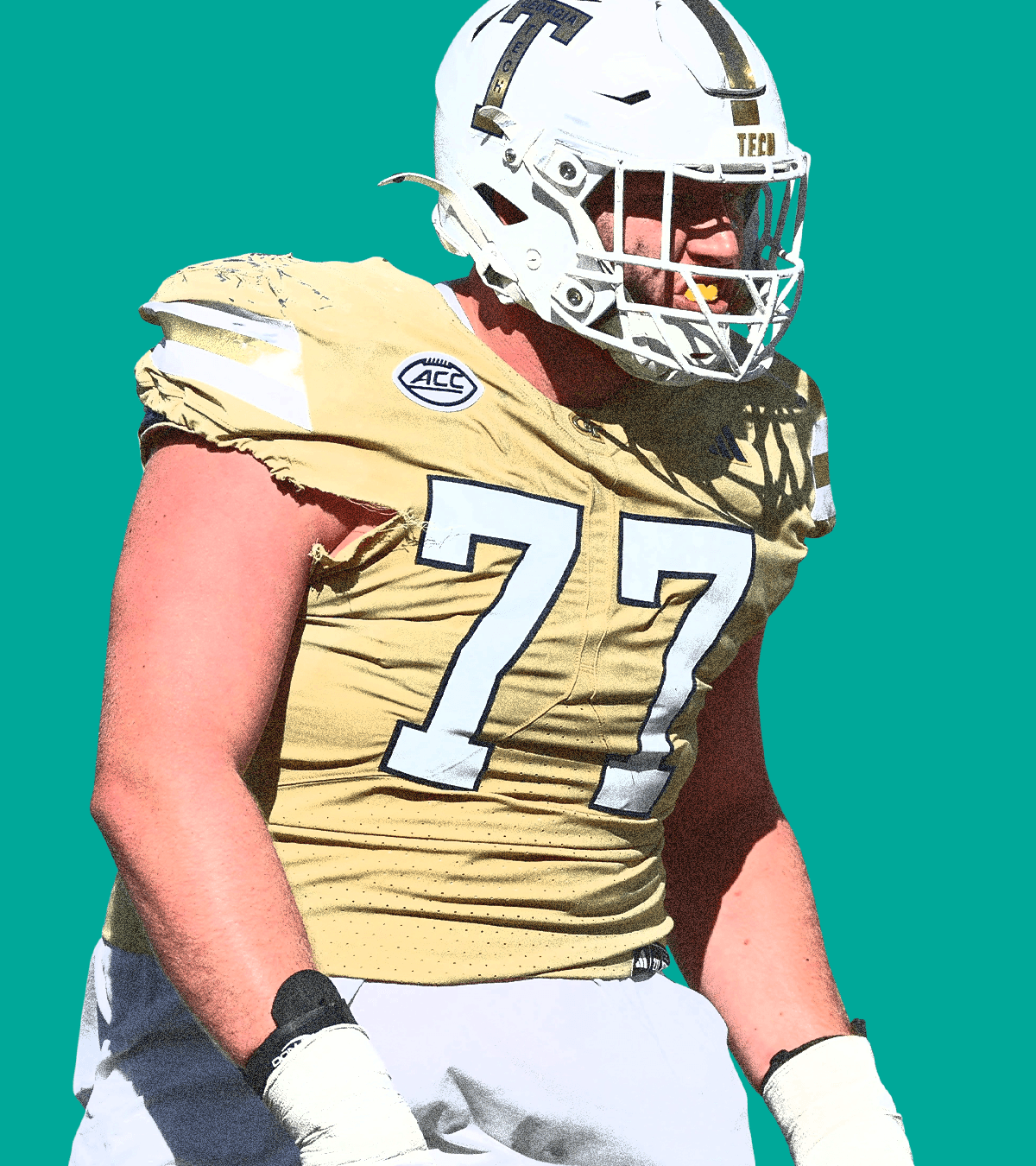
Round 1, pick 26: Keylan Rutledge, OG, Georgia Tech
Round 2, pick 36: Kayden McDonald, DT, Ohio State
Round 2, pick 59: Marlin Klein, TE, Michigan
Round 4, pick 106: Febechi Nwaiwu, OG, Oklahoma
Round 4, pick 123: Wade Woodaz, LB, Clemson
Round 5, pick 141: Kamari Ramsey, S, USC
Round 6, pick 204: Lewis Bond, WR, Boston College
Round 7, pick 243: Aiden Fisher, LB, Indiana
The Texans really leaned into their identity of toughness in this draft. First-rounder Keylan Rutledge is a road-grading brawler who can immediately contribute at any of the three interior offensive line spots, providing a massive boon not only for C.J. Stroud but also for the team’s sub-par run game. Houston turned around in the second and traded up for defensive tackle Kayden McDonald, a stonewall run defender who holds his ground and mucks up opposing offensive plans. He should play on early downs right away, and he brings the upside to develop as an interior pass rusher as well. The rest of the Texans draft looks to be made up of developmental depth options; Marlin Klein is a raw but athletic tight end who could work his way into the team’s rotation down the line, and Febechi Nwaiwu gives the team more depth on the line. All in all, Rutledge and McDonald make up the beef of this class, both literally and figuratively, but Houston may need to wait a few years to see returns on the rest of their picks.

Los AngelesChargers
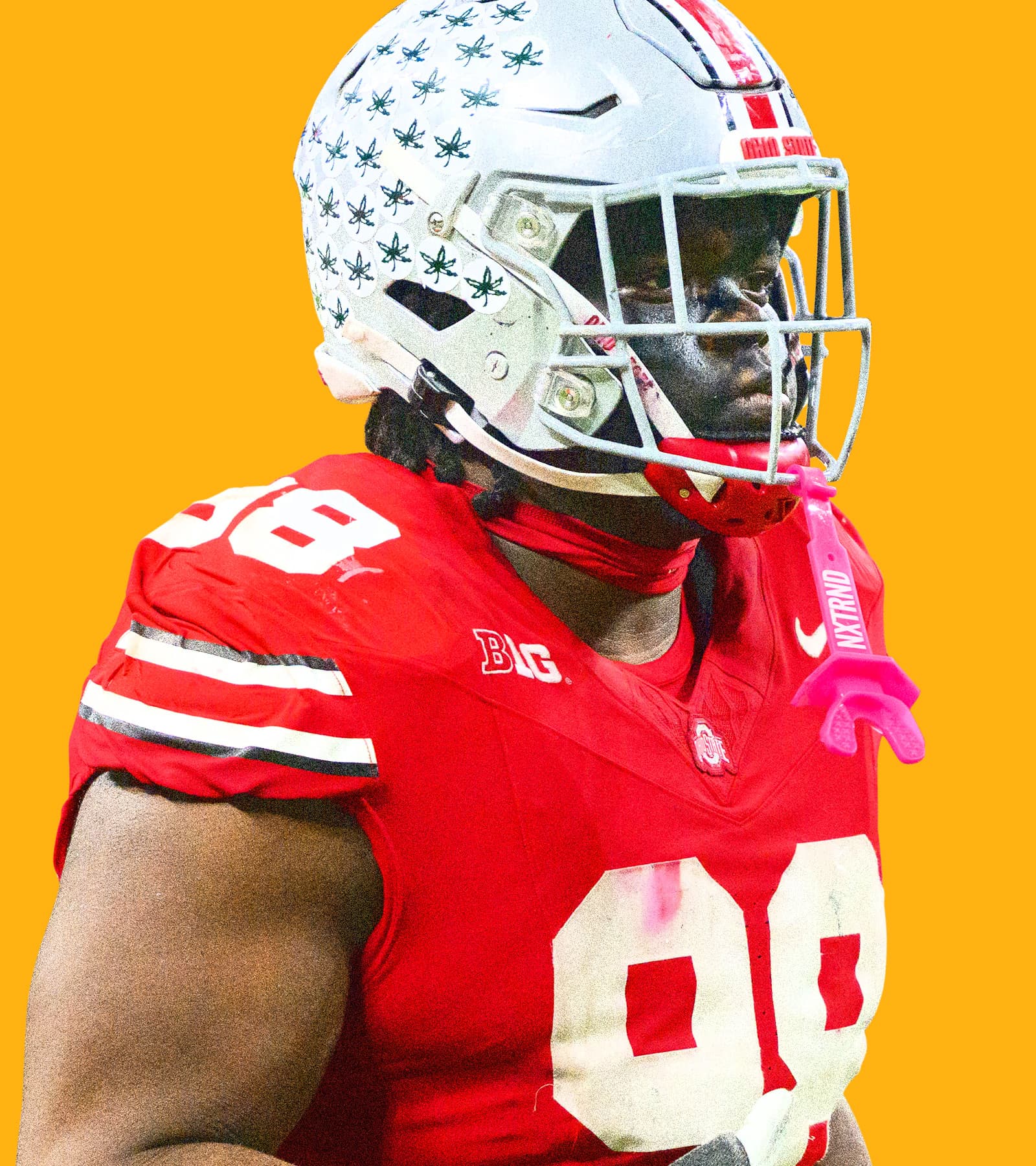
Round 1, pick 22: Akheem Mesidor, Edge, Miami
Round 2, pick 63: Jake Slaughter, C, Florida
Round 4, pick 105: Brenen Thompson, WR, Mississippi State
Round 4, pick 117: Travis Burke, OT, Memphis
Round 4, pick 131: Genesis Smith, S, Arizona
Round 5, pick 145: Nick Barrett, DT, South Carolina
Round 6, pick 202: Logan Taylor, OG, Boston College
Round 6, pick 206: Alex Harkey, OG, Oregon
The Chargers looked to the immediate future with their first-round pick, grabbing a 25-year-old pass rusher in Mesidor. The former Hurricanes star is already 25 years old, but he’s a pro-ready game-wrecker with a tenacious demeanor and explosive traits. The Chargers smartly addressed their always-injury-riddled offensive line by grabbing Florida’s Jake Slaughter in the second round and Memphis’s Travis Burke in the fourth. Slaughter in particular could see the field early on. He’s a rock solid interior lineman, bringing potential to start at any of the three interior line spots. In the fourth, the team added a pinch of blazing speed to their offense, nabbing the 164-pound Brenen Thompson. The former Mississippi State standout has nitro-boosted speed to run away from defenders and get over the top, a trait that should pair nicely with the bazooka-armed Justin Herbert. Overall, a solid set of picks for the Chargers, who needed to add depth to compete in a tough AFC West division.
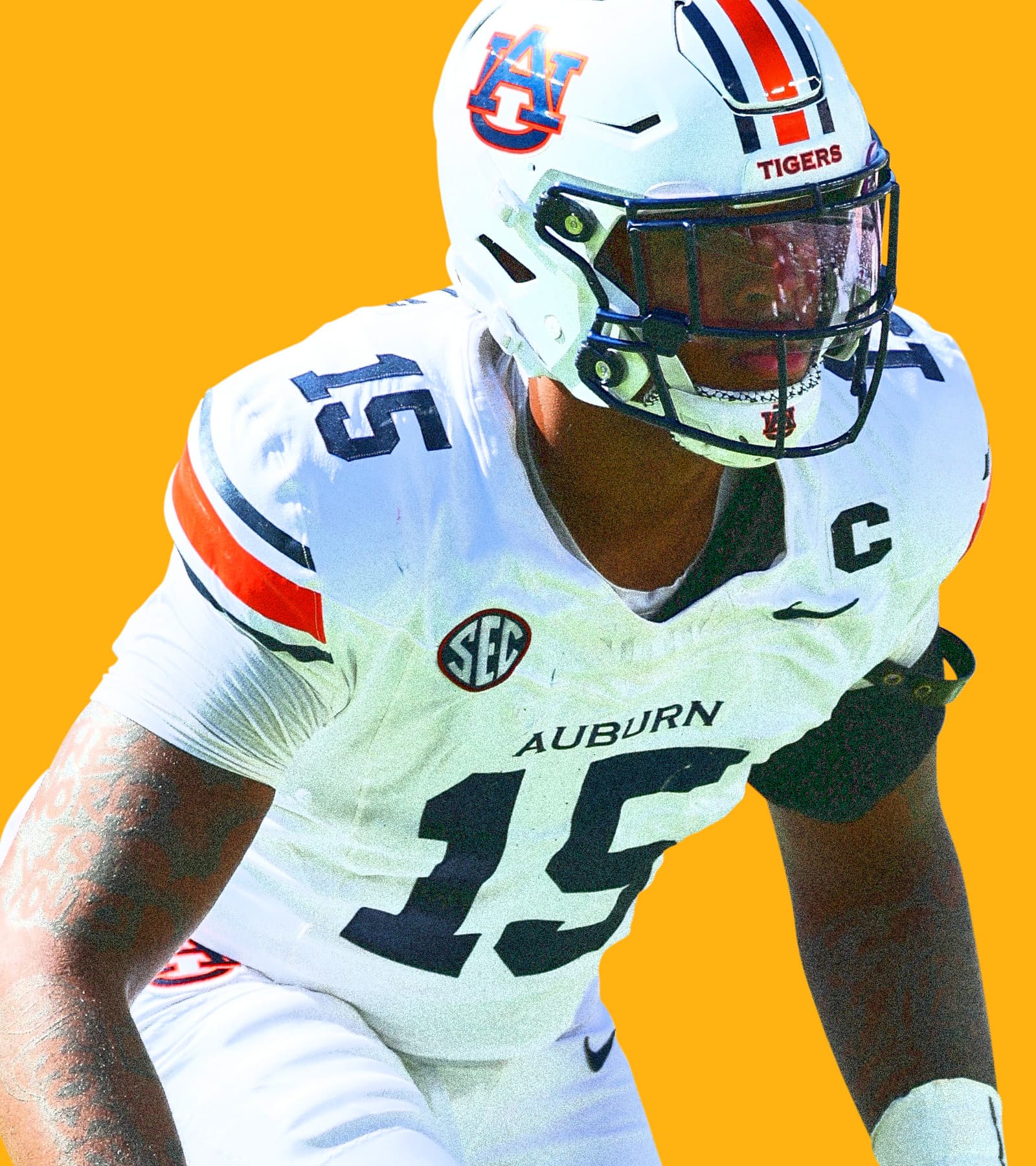
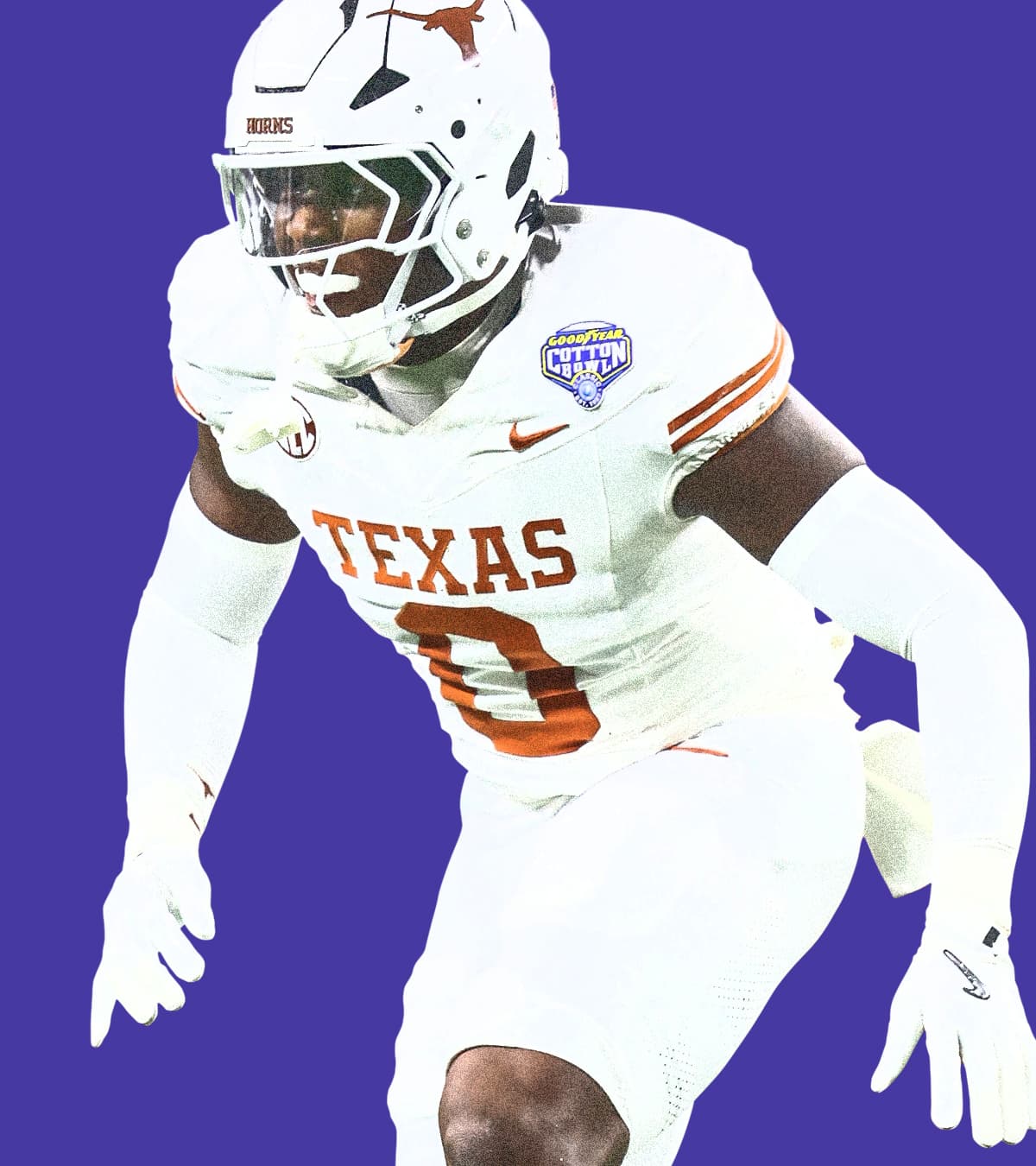
TennesseeTitans
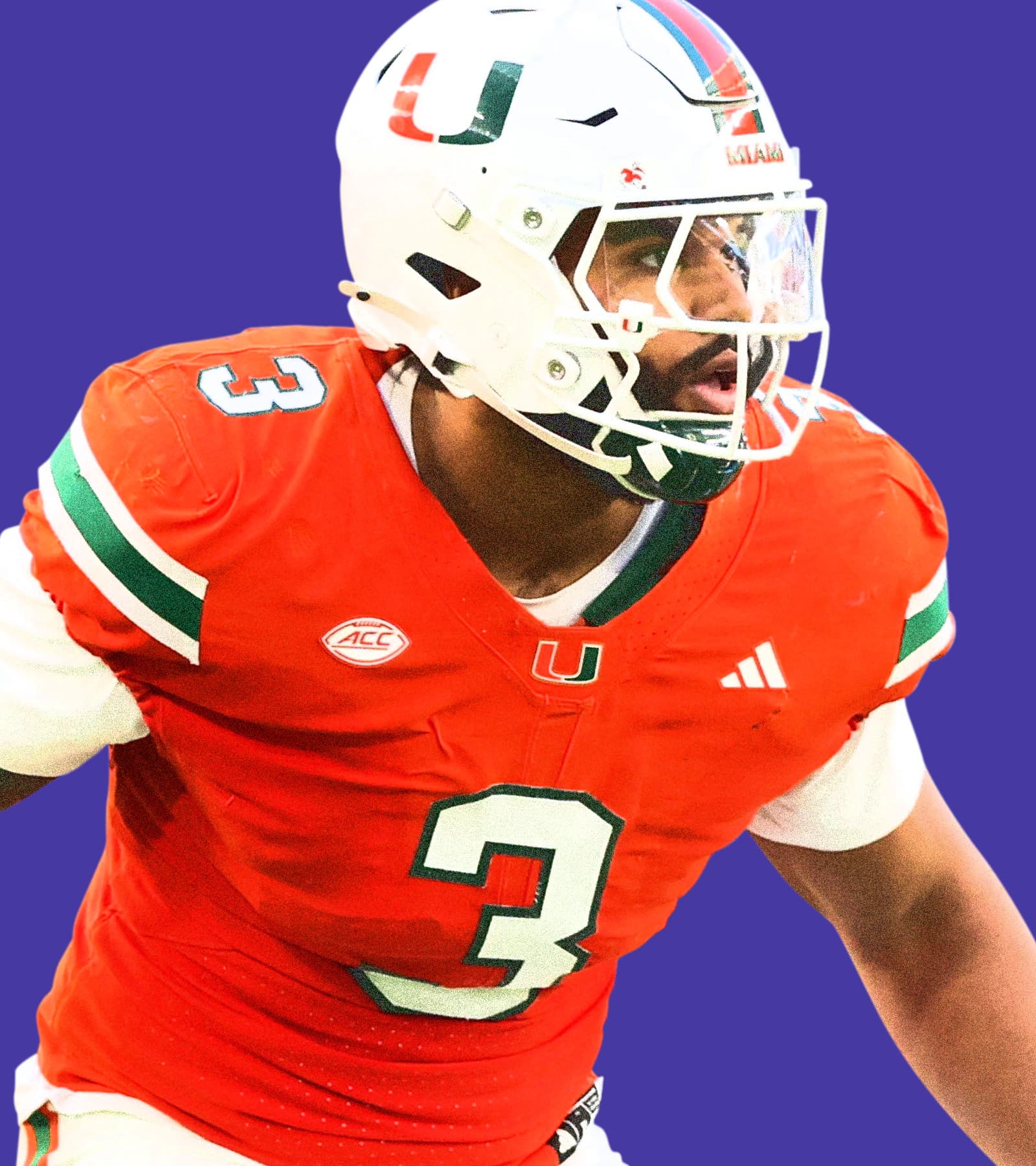
Round 1, pick 4: Carnell Tate, WR, Ohio State
Round 1, pick 31: Keldric Faulk, Edge, Auburn
Round 2, pick 60: Anthony Hill Jr., LB, Texas
Round 5, pick 142: Fernando Carmona, OG, Arkansas
Round 5, pick 165: Nicholas Singleton, RB, Penn State
Round 6, pick 184: Jackie Marshall, DT, Baylor
Round 6, pick 194: Pat Coogan, C, Indiana
Round 7, pick 225: Jaren Kanak, TE, Oklahoma
I liked what the Titans did in this draft. They kicked things off by taking a big-time pass catcher for Cam Ward in Carnell Tate, my top-ranked receiver thanks to his automatic hands and field-tilting talent. Tate should provide a much-needed boost for Ward right away. Trading back into the first round and grabbing Keldric Faulk could also pay big dividends down the line, particularly if Faulk can unlock some of his pass rushing potential. I really loved linebacker Anthony Hill’s tape as well; he’s rangy, aggressive, creates turnovers, and has a knack for punching the ball out of a running back’s hands. And spending a fifth-rounder on an explosive back like Nicholas Singleton is smart. The former Penn State star can create big plays in both the running and passing game, adding a complementary piece behind Tony Pollard and Tyjae Spears. Overall, a solid draft haul for second-year GM Mike Borgonzi.


BaltimoreRavens
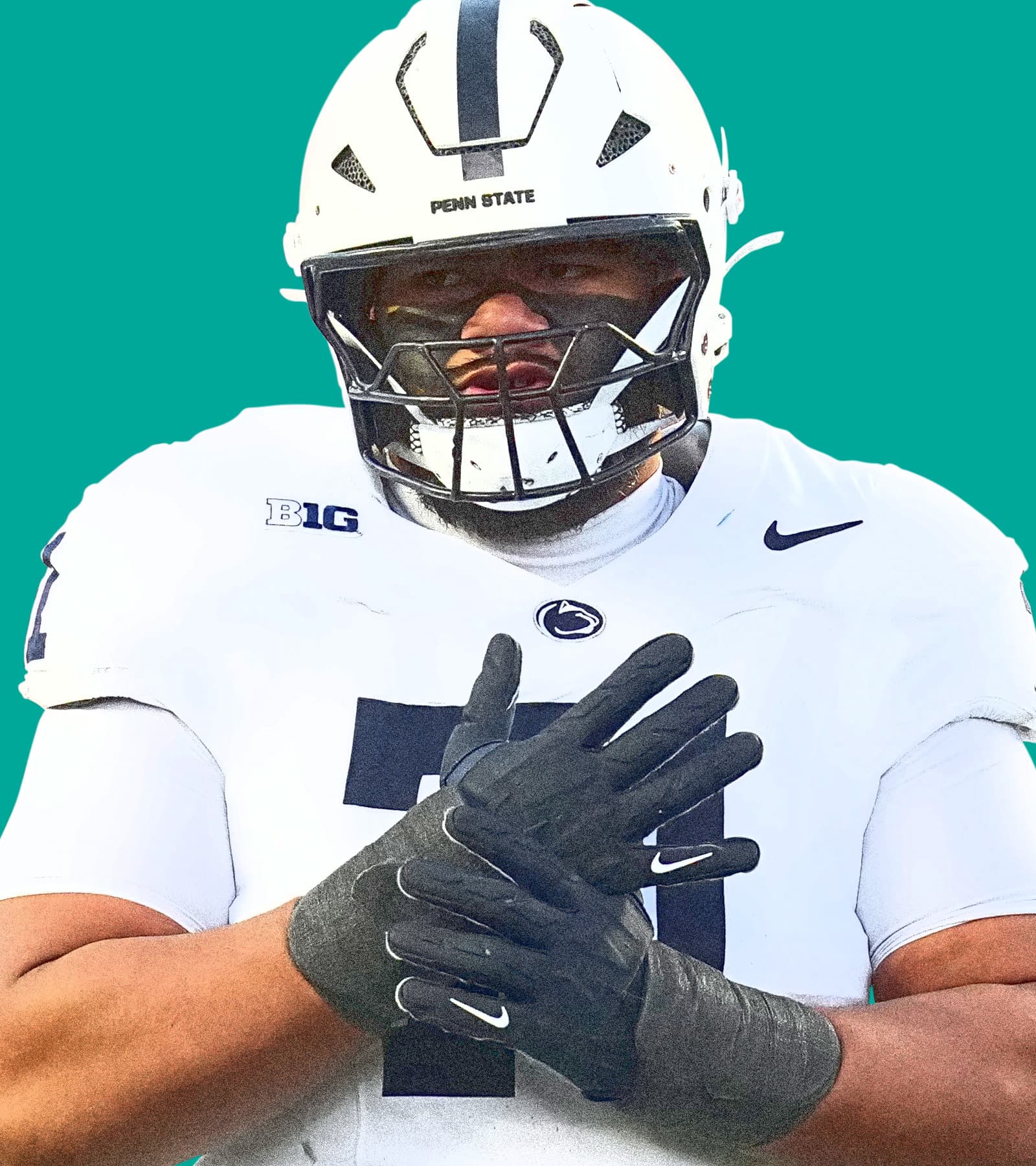
Round 1, pick 14: Olaivavega Ioane, OG, Penn State
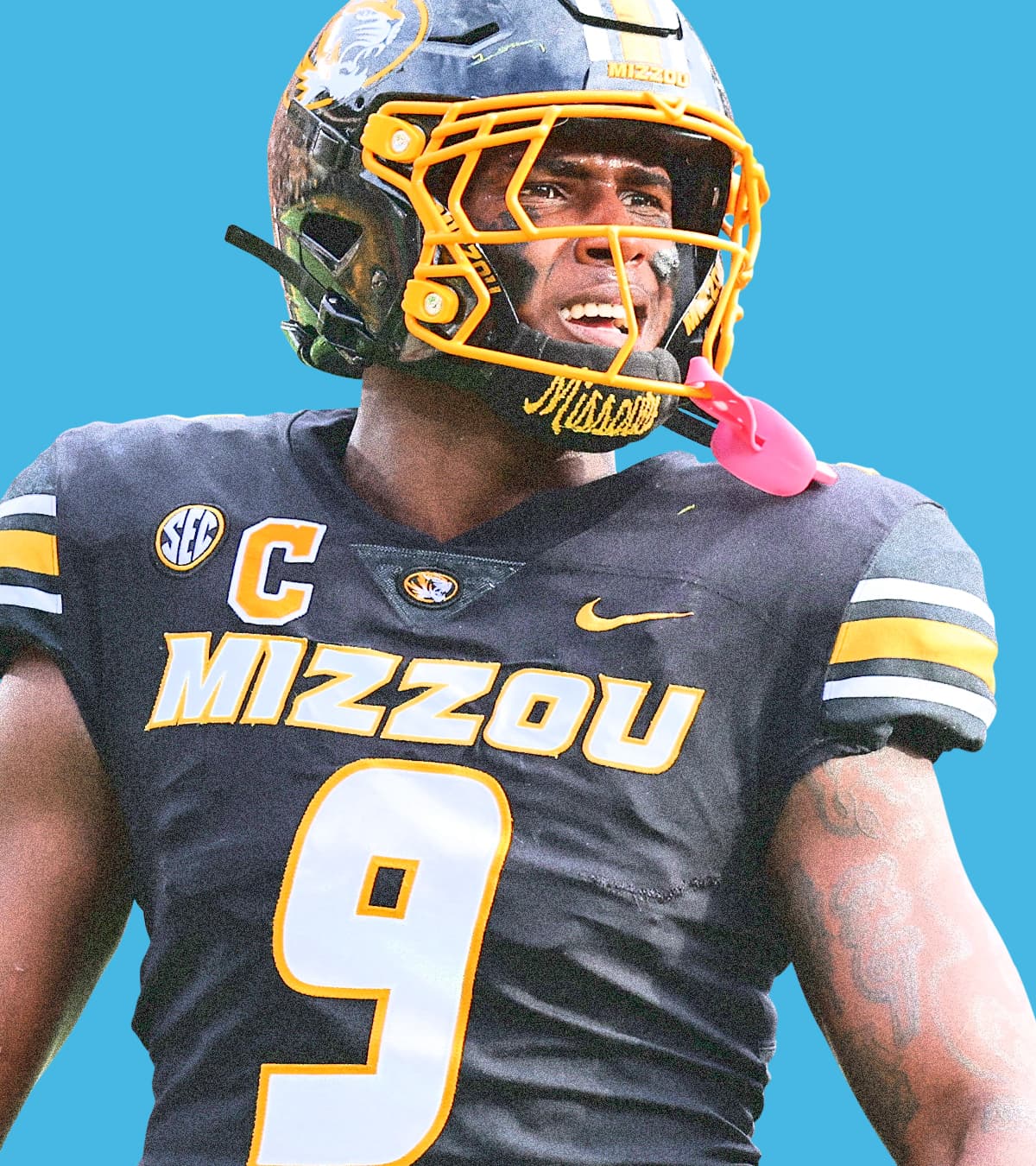
Round 2, pick 45: Zion Young, Edge, Missouri
Round 3, pick 80: Ja’Kobi Lane, WR, USC
Round 4, pick 115: Elijah Sarratt, WR, Indiana
Round 4, pick 133: Matthew Hibner, TE, SMU
Round 5, pick 162: Chandler Rivers, CB, Duke
Round 5, pick 173: Josh Cuevas, TE, Alabama
Round 5, pick 174: Adam Randall, RB, Clemson
Round 6, pick 211: Ryan Eckley, P, Michigan State
Round 7, pick 250: Rayshaun Benny, DT, Michigan
Round 7, pick 253: Evan Beerntsen, OG, Northwestern
The Ravens did what they always seem to do in the first round: patiently wait for a really good player to land in their lap. This time that came in the form of Penn State guard Olaivavega Ioane, my 11th-ranked player, an ass-kicker on the interior who brings physicality and dependability to Baltimore’s line. He should help provide more consistent pockets for Lamar Jackson and open up run lanes for Derrick Henry. Baltimore GM Eric DeCosta stayed on brand and grabbed a Ravens-y pass rusher in the second round, a big, tough, and physical defender in Zion Young, who should factor in as a rotational edge player and complement the newly acquired Trey Hendrickson. Baltimore did well to add some big-bodied playmakers at receiver, too, nabbing USC’s Ja’Kobi Lane and Indiana’s Elijah Sarratt, both of whom win in combat-catch situations and excel in the red zone. SMU tight end Matthew Hibner provides depth after the departures of Isaiah Likely and Charlie Kolar in free agency. Overall, Ioane is carrying the bulk of the weight in this class, but Baltimore did well to address needs and add players that fit their archetypes.
ChicagoBears
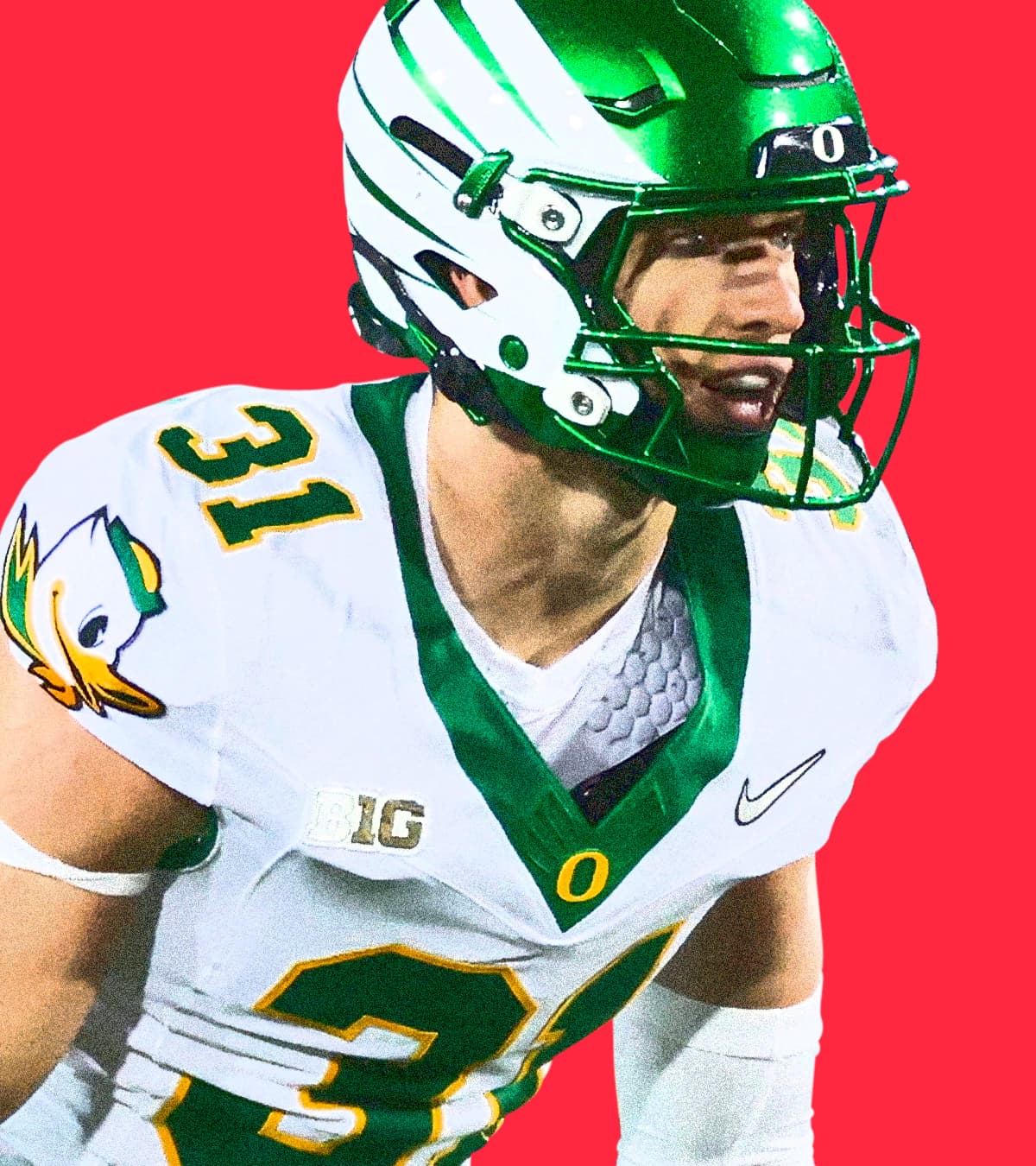
Round 1, pick 25: Dillon Thieneman, S, Oregon
Round 2, pick 57: Logan Jones, C, Iowa
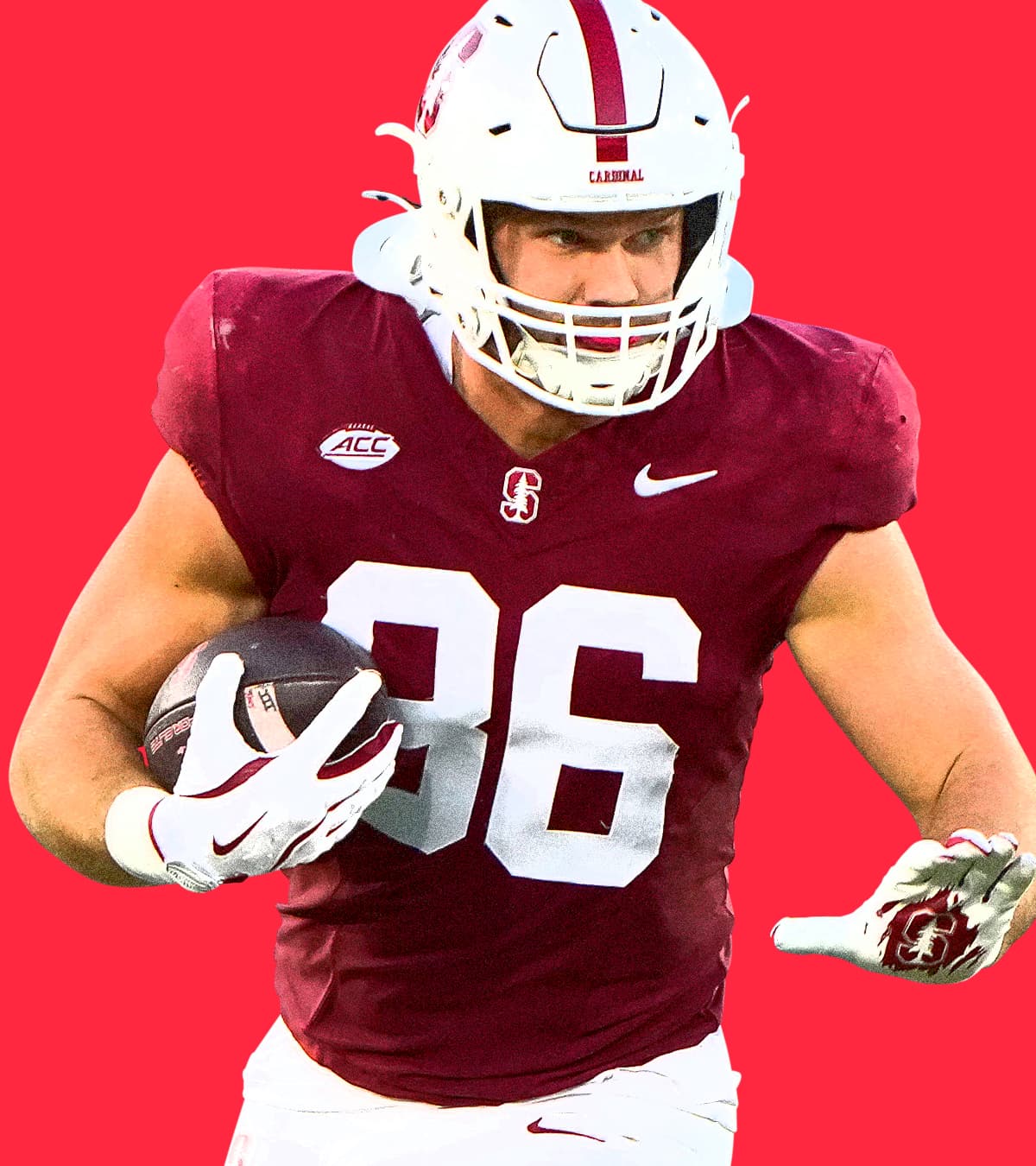
Round 3, pick 69: Sam Roush, TE, Stanford
Round 3, pick 89: Zavion Thomas, WR, LSU
Round 4, pick 124: Malik Muhammad, CB, Texas
Round 5, pick 166: Keyshaun Elliott, LB Arizona State
Round 6, pick 213: Jordan Van den Berg, DT, Georgia Tech
I absolutely loved what the Bears did in the first round, grabbing a day-one contributor in the secondary in Oregon safety Dillon Thieneman (my 15th-ranked player overall), who can fill the void left by Jaquan Brisker’s departure. Thieneman is a rangy, physical, and rugged defender who can line up deep, over the slot or in the box, and shows instincts in both coverage and against the run. GM Ryan Poles looked to address roster gaps on day two, grabbing a battle-tested lineman in Iowa’s Logan Jones in the second round to fill the hole left by starting center Drew Dalman’s abrupt retirement. In the third round, Chicago added a long-term successor to Cole Kmet in Stanford’s Sam Roush before bringing in a speedy wideout in LSU’s Zavion Thomas, who could help stretch the field on offense and contribute in the return game. But all three of the Bears’ day-two picks were significant reaches per my board, so I don’t love the value Chicago got with those selections, but the team did come back for a valuable pair in cornerback Malik Muhammad and linebacker Keyshaun Elliott on day three.

Green BayPackers
Round 2, pick 52: Brandon Cisse, CB, South Carolina
Round 3, pick 77: Chris McClellan, DT, Missouri
Round 4, pick 120: Dani Dennis-Sutton, Edge, Penn State
Round 5, pick 153: Jager Burton, C, Kentucky
Round 6, pick 201: Domani Jackson, CB, Alabama
Round 6, pick 216: Trey Smack, K, Florida
The Packers went without a first-round pick in this draft after sending it away last year for Micah Parsons, so the team came into the weekend short-handed. They kicked things off late in the second round, grabbing cornerback Brandon Cisse. The former Gamecocks standout offers good size and plays with a physical style at the line of scrimmage. He’s a top-tier athlete with blazing makeup speed when he loses a step in coverage. He should have a chance to compete for starting snaps right away. In the third round, the Packers looked to the defensive line, nabbing Missouri’s Chris McClellan, a stout nose tackle prospect who could earn reps in the defensive line rotation early on. Pass rusher Dani Dennis-Sutton is another defensive lineman who could see the field in certain situations as a rookie. A former five-star prospect with excellent length and top-tier athleticism, he plays with power on the edge and dominates blockers at the point of attack. This was a low-fanfare draft for Green Bay, but the team managed to come away with a couple potential early contributors.

MinnesotaVikings
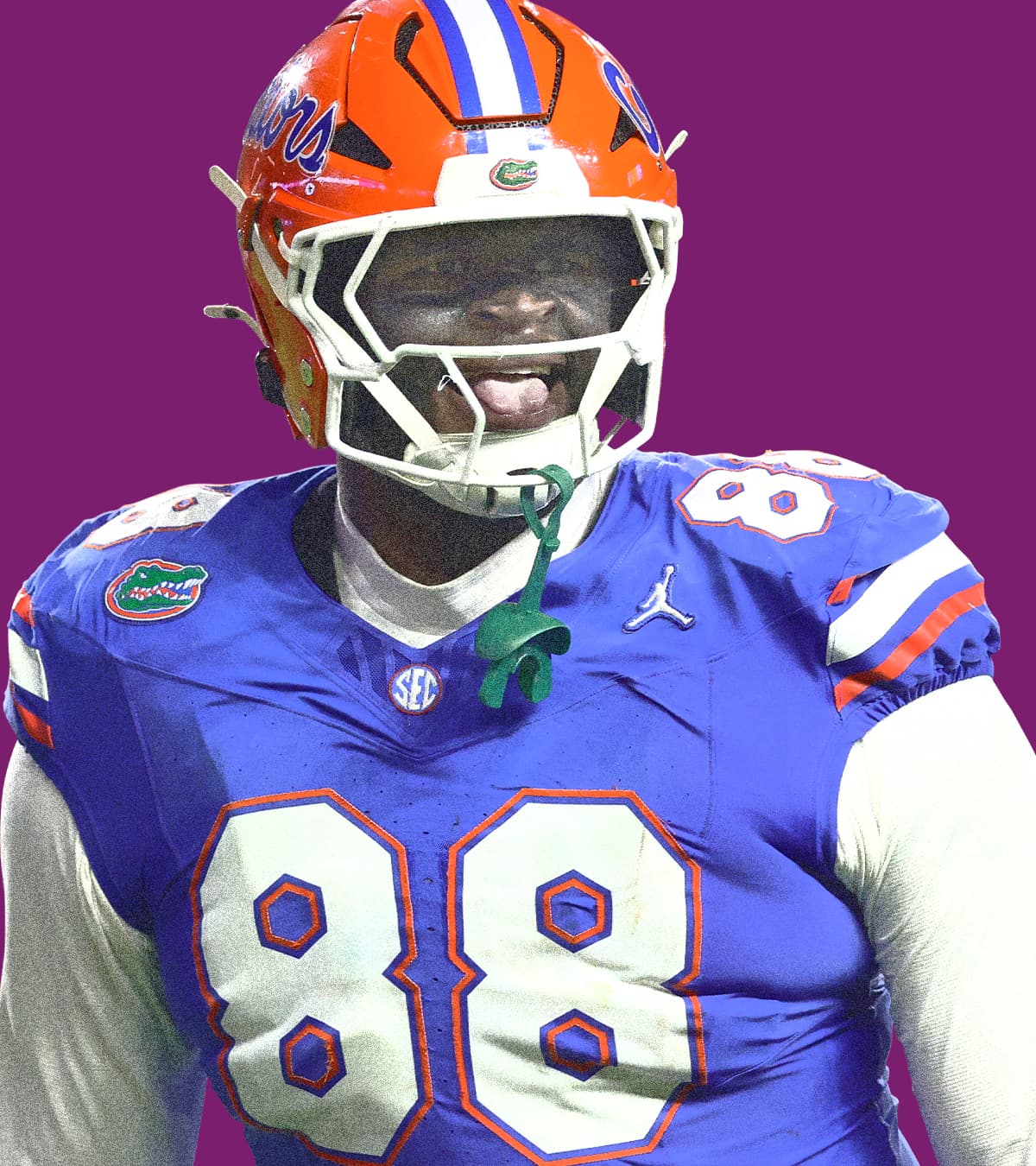
Round 1, pick 18: Caleb Banks, DT, Florida
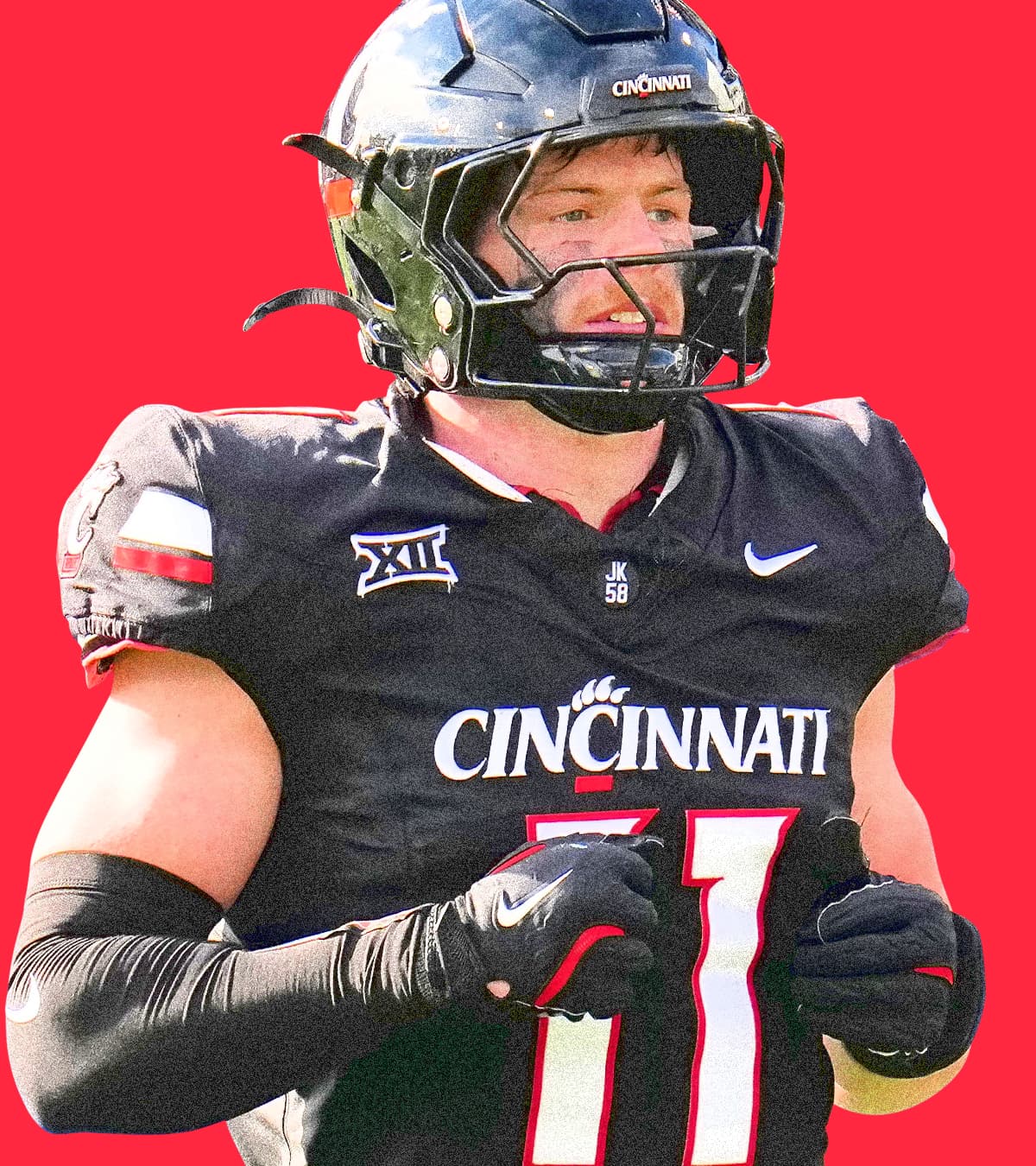
Round 2, pick 51: Jake Golday, LB, Cincinnati
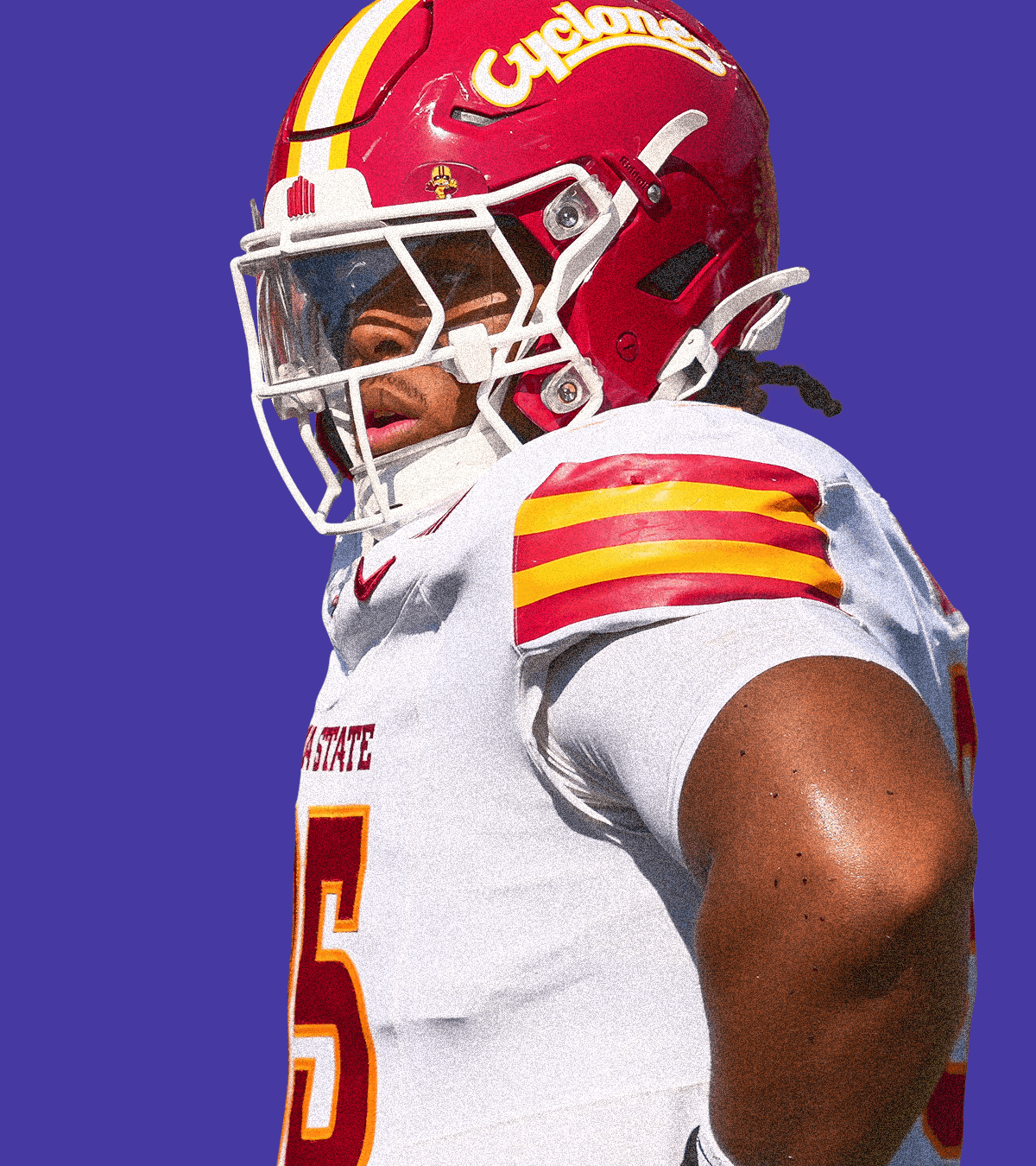
Round 3, pick 82: Domonique Orange, DT, Iowa State
Round 3, pick 97: Caleb Tiernan, OT, Northwestern
Round 3, pick 98: Jakobe Thomas, S, Miami
Round 5, pick 159: Max Bredeson, FB, Michigan
Round 5, pick 163: Charles Demmings, CB, Stephen F. Austin
Round 6, pick 198: Demond Claiborne, RB, Wake Forest
Round 7, pick 235: Gavin Gerhardt, C, Cincinnati
The Vikings put together a high-protein draft class this year, focusing on the defensive side of the ball early. Defensive tackle Caleb Banks is a high-variance, risky pick because of his history with foot injuries. But if he can stay healthy, he brings immense upside as a chaos creator on the inside. He’ll line up next to Domonique Orange, a.k.a. “Big Citrus,” a space-eating interior lineman who stonewalls the run. Jake Golday is a well-built and rangy linebacker who brings experience playing all over the defensive formation, including plenty of snaps over the slot. And Caleb Tiernan brings starting upside at either tackle or guard, which helps solidify the Vikings offensive line. One guy from this class to keep an eye on is sixth-round running back Demond Claiborne, who plays with incredible explosiveness and speed at 5-foot-9, 189 pounds. He has a chance to find the field as a change-of-pace, relief option to Aaron Jones and Jordan Mason. Overall, I like that the Vikings focused on the trenches here, but I’m worried Banks will struggle to get and stay healthy.




New OrleansSaints
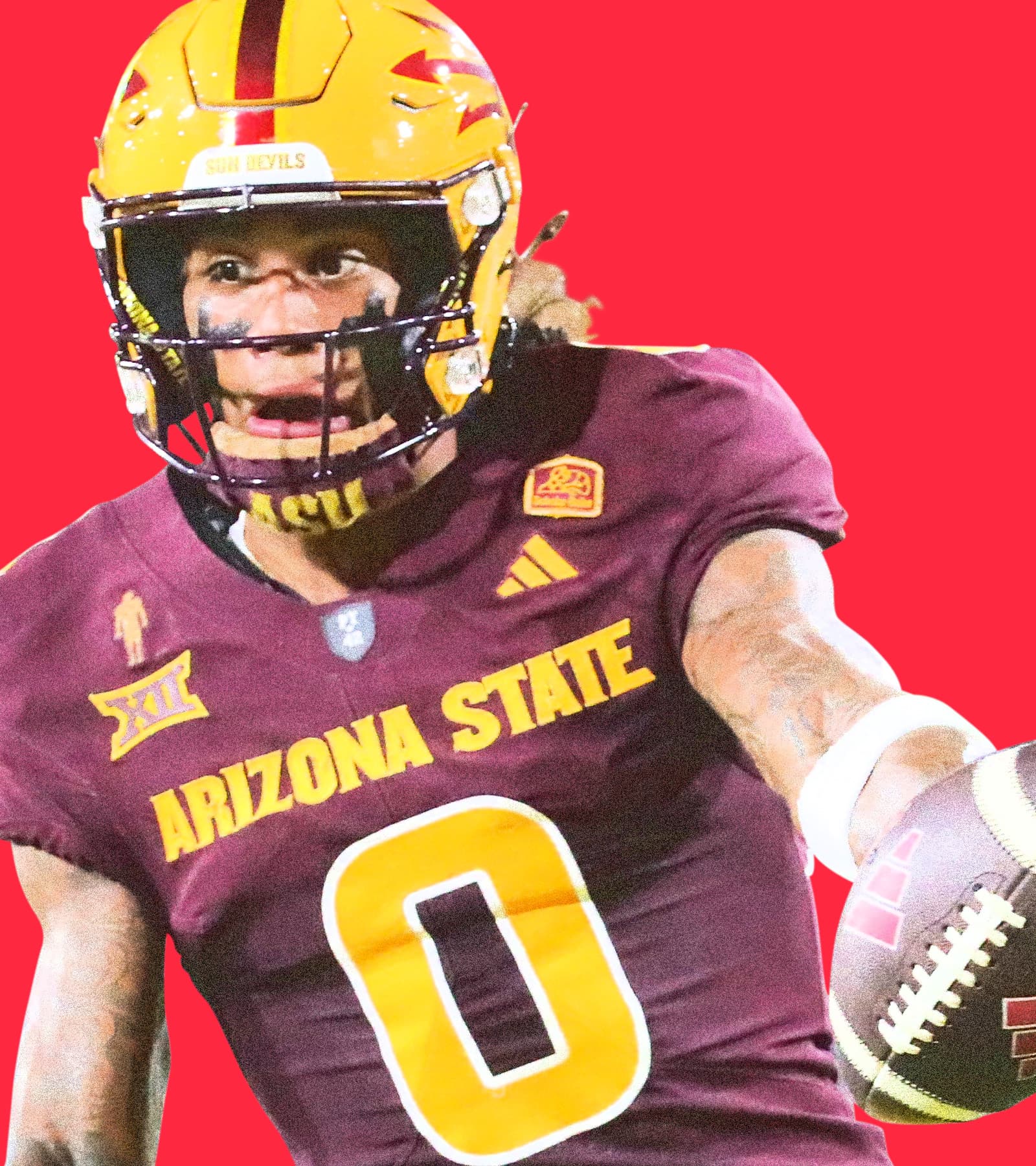
Round 1, pick 8: Jordyn Tyson, WR, Arizona State
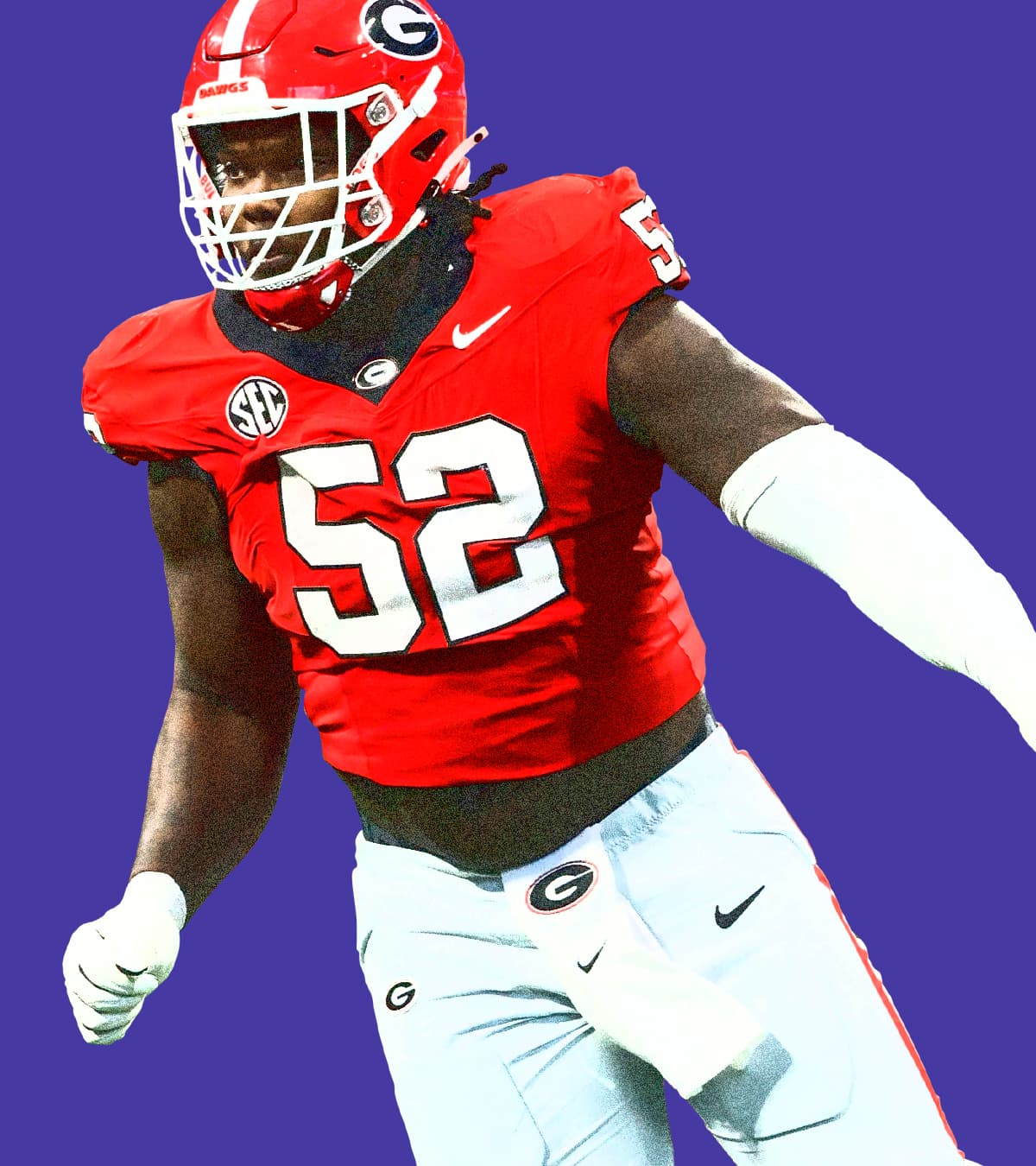
Round 2, pick 42: Christen Miller, DT, Georgia
Round 3, pick 73: Oscar Delp, TE, Georgia
Round 4, pick 132: Jeremiah Wright, G, Auburn
Round 4, pick 136: Bryce Lance, WR, North Dakota State
Round 5, pick 172: Lorenzo Styles Jr., S, Ohio State
Round 6, pick 190: Barion Brown, WR, LSU
Round 7, pick 219: TJ Hall, CB, Iowa
The Saints got Tyler Shough a shiny new toy in the form of playmaking receiver Jordyn Tyson, who could be a perfect complement to Chris Olave. Tyson needs to prove he can stay healthy, but he’s a twitchy mover with natural separation skills. Christen Miller felt like a bit of a reach at no. 42 overall, but he should provide some ballast in the middle of the line on early downs, where his run-stuffing skills can come into play. And Oscar Delp is a supremely athletic developmental tight end with untapped upside as a pass catcher. He could earn snaps early in his career and become the successor to Juwan Johnson in the Saints offense. It’s worth keeping an eye on fourth-round receiver Bryce Lance, too. The brother of Trey Lance, he brings lid-lifting speed on the outside and could work his way into WR3 duties before too long. There’s nothing too sexy in this group outside of Tyson, but I like what New Orleans did to give Shough more support.
SeattleSeahawks
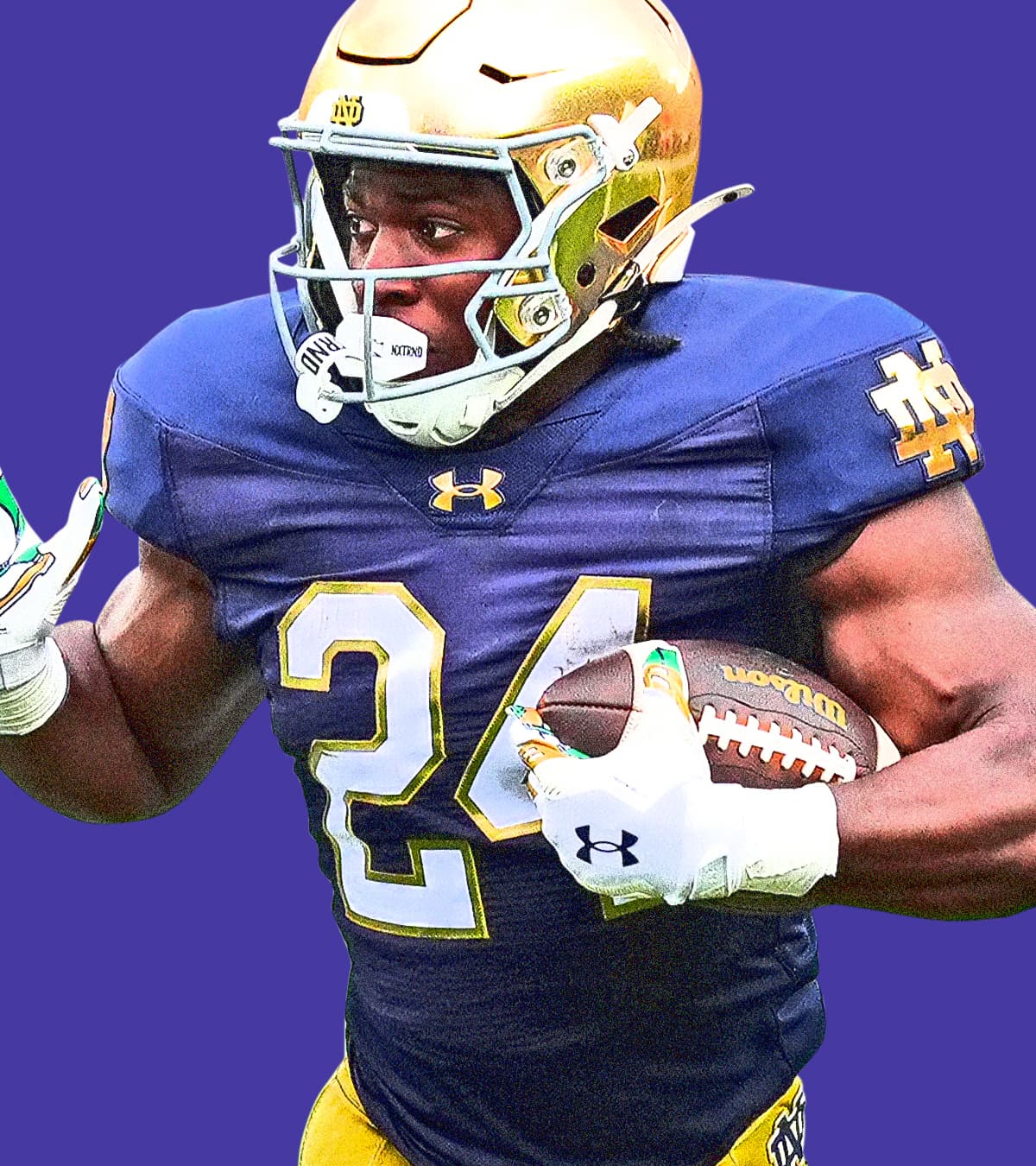
Round 1, pick 32: Jadarian Price, RB, Notre Dame
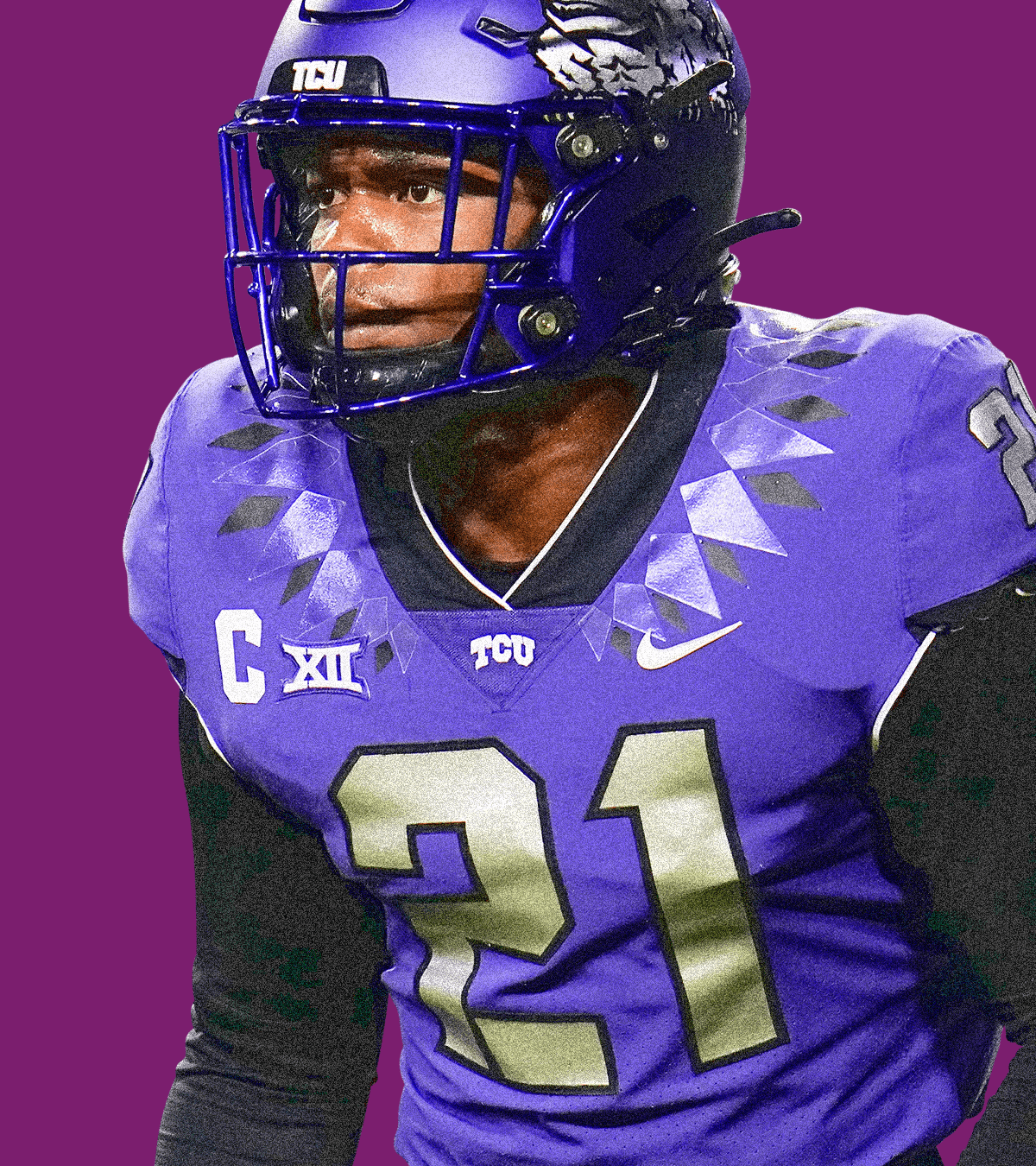
Round 2, pick 64: Bud Clark, S, TCU
Round 3, pick 99: Julian Neal, CB, Arkansas
Round 5, pick 148: Beau Stephens, OG, Iowa
Round 6, pick 199: Emmanuel Henderson Jr., WR, Kansas
Round 7, pick 236: Andre Fuller, CB, Toledo
Round 7, pick 242: Deven Eastern, DT, Minnesota
Round 7, pick 255: Michael Dansby, CB, Arizona
The Seahawks painted themselves into a corner in free agency when they let Kenneth Walker leave for the Chiefs, opening a giant hole at the running back position. That left them somewhat desperate to find Walker’s successor in the draft, and when they failed to execute a trade out of the first round, they stayed put and picked Jadarian Price. That’s a pretty massive overpay for my 56th-ranked player, who never was a starter in college and brings limited experience as a pass catcher to the pros. With the value question out of the way, I like what Price brings to the Seahawks offense: He’s an explosive playmaker on the ground and will give the team some juice in the run game until Zach Charbonnet can return to the field. I was a huge fan of the Bud Clark pick for Seattle as well. He’s a rangy, ball-hawking defensive back with the skill set to contribute early on at either nickel, safety, or even corner. His versatility and aggressive style make him an awesome fit for the Mike Macdonald defense. The team turned around in the third and took a long, super competitive corner in Julian Neal, who could push for snaps early in his career. And they moved back up in the fifth to take guard Beau Stephens, who could find himself in the competition at the right guard spot from day one. Overall, I felt the Seahawks panicked and overpaid in the first round, but did well to identify some potential early impact players on the second and third days of the draft.



ArizonaCardinals
Round 1, pick 3: Jeremiyah Love, RB, Notre Dame
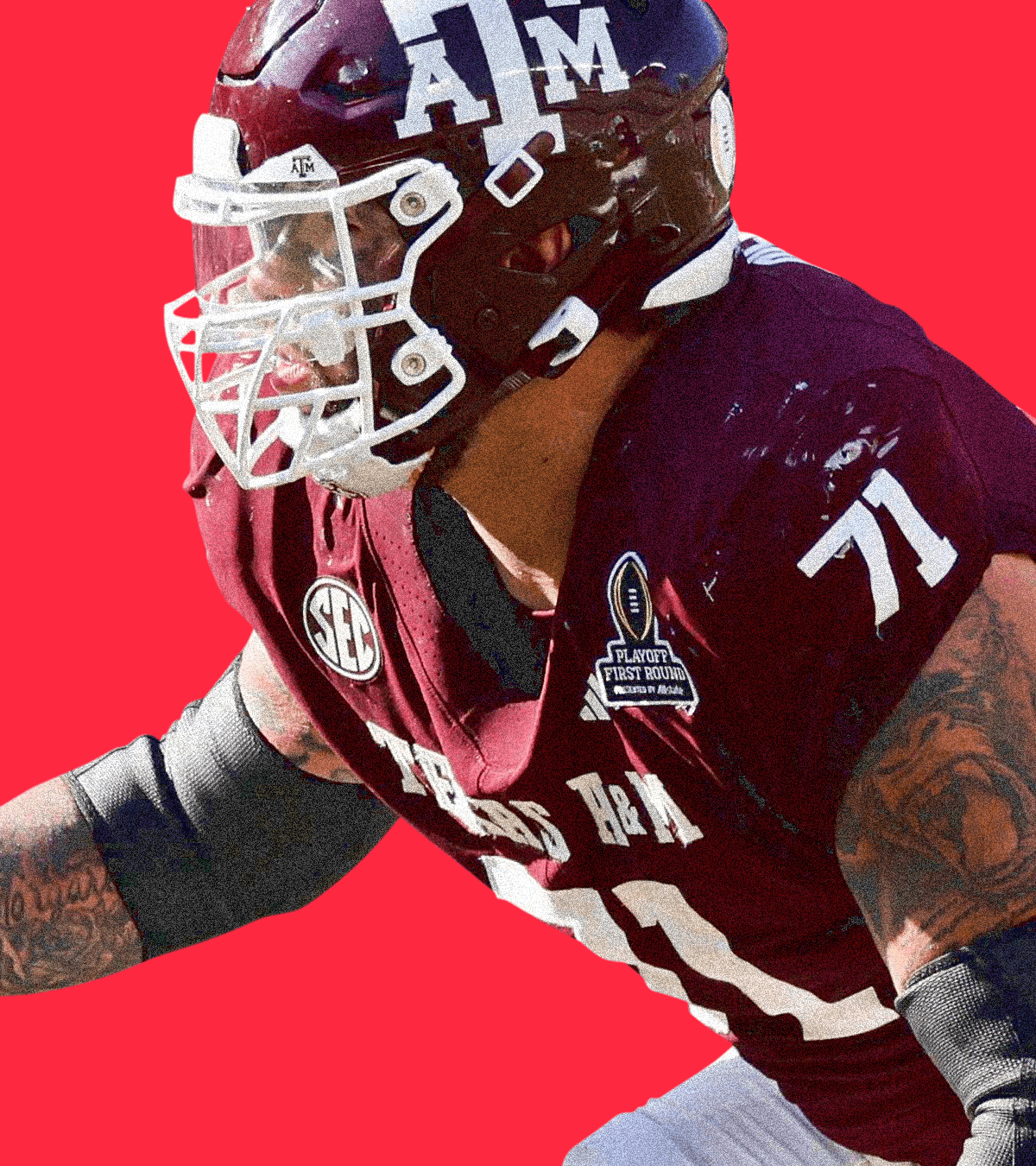
Round 2, pick 34: Chase Bisontis, OG, Texas A&M
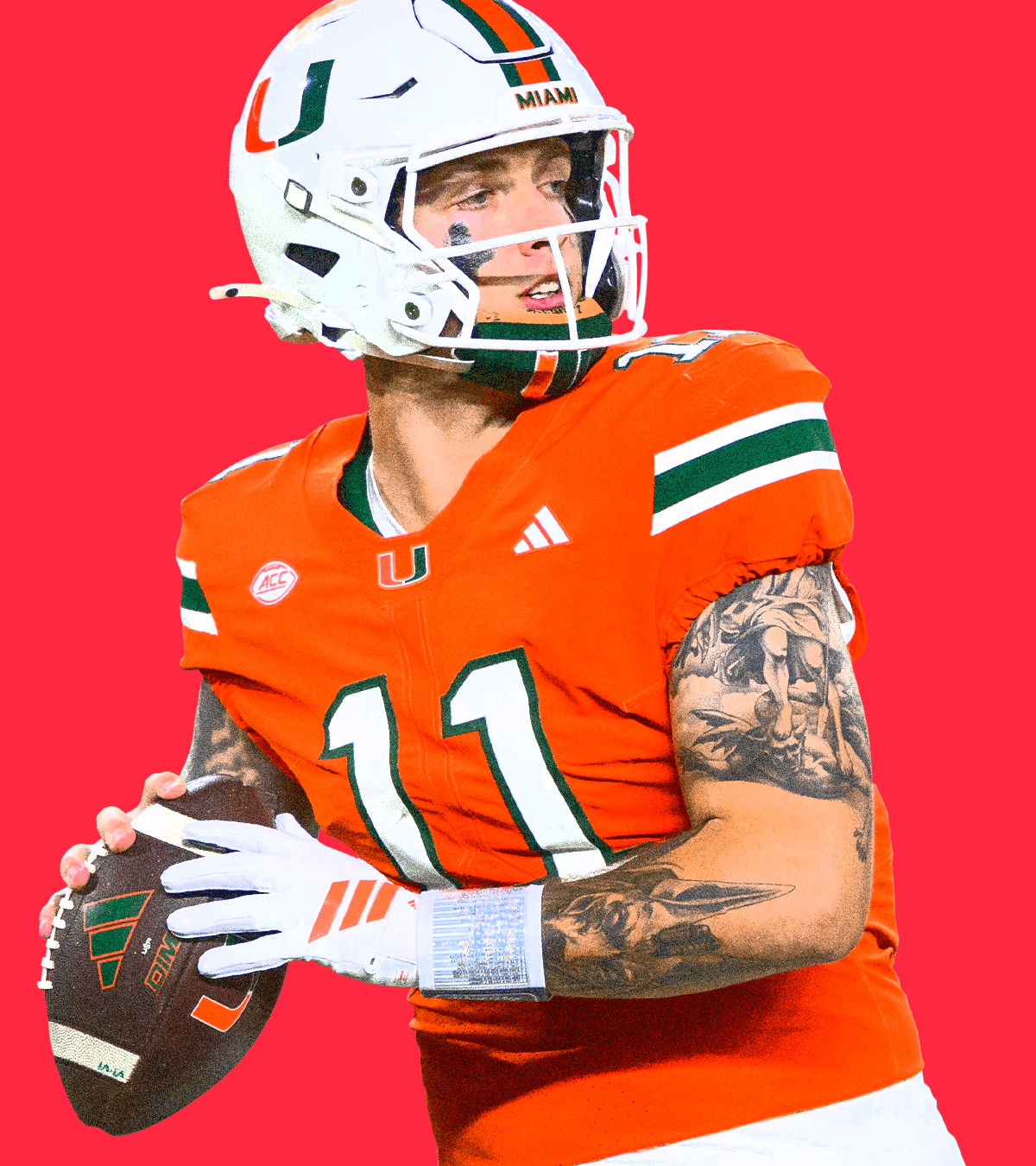
Round 3, pick 65: Carson Beck, QB, Miami
Round 4, pick 104: Kaleb Proctor, DT, Southeastern Louisiana
Round 5, pick 143: Reggie Virgil, WR, Texas Tech
Round 6, pick 183: Karson Sharar, LB, Iowa
Round 7, pick 217: Jayden Williams, OT, Ole Miss
The Cardinals got the draft kicked off on Thursday night with a pretty stunning decision, opting to take running back Jeremiyah Love over several other blue-chip talents, most notably pass rusher Arvell Reese. Even though Love is an awesome player, it’s hard to imagine that pick a smart use of capital (both draft and salary cap), and it won’t be a big surprise if he struggles to make a massive impact in 2026 as the team sorts through its quarterback situation. I liked the selection of Texas A&M guard Chase Bisontis in the second, who should help stabilize the offensive line, and that of defensive tackle Kaleb Proctor in the fourth. Proctor is an explosive interior lineman who can contribute to the team’s pass rush rotation. As for third-round quarterback Carson Beck, I think he’s a fine gamble—but I’m not sure Arizona is the best landing spot for him. Beck likely needs time to sit and develop—ideally behind an established veteran—and with the Cardinals QB position in flux, he’s likely going to be pushed into action before he’s ready. Overall, the Cardinals added star power in this draft in Love, but I’m just not sure they added a lot of wins, at least not this year.
AtlantaFalcons
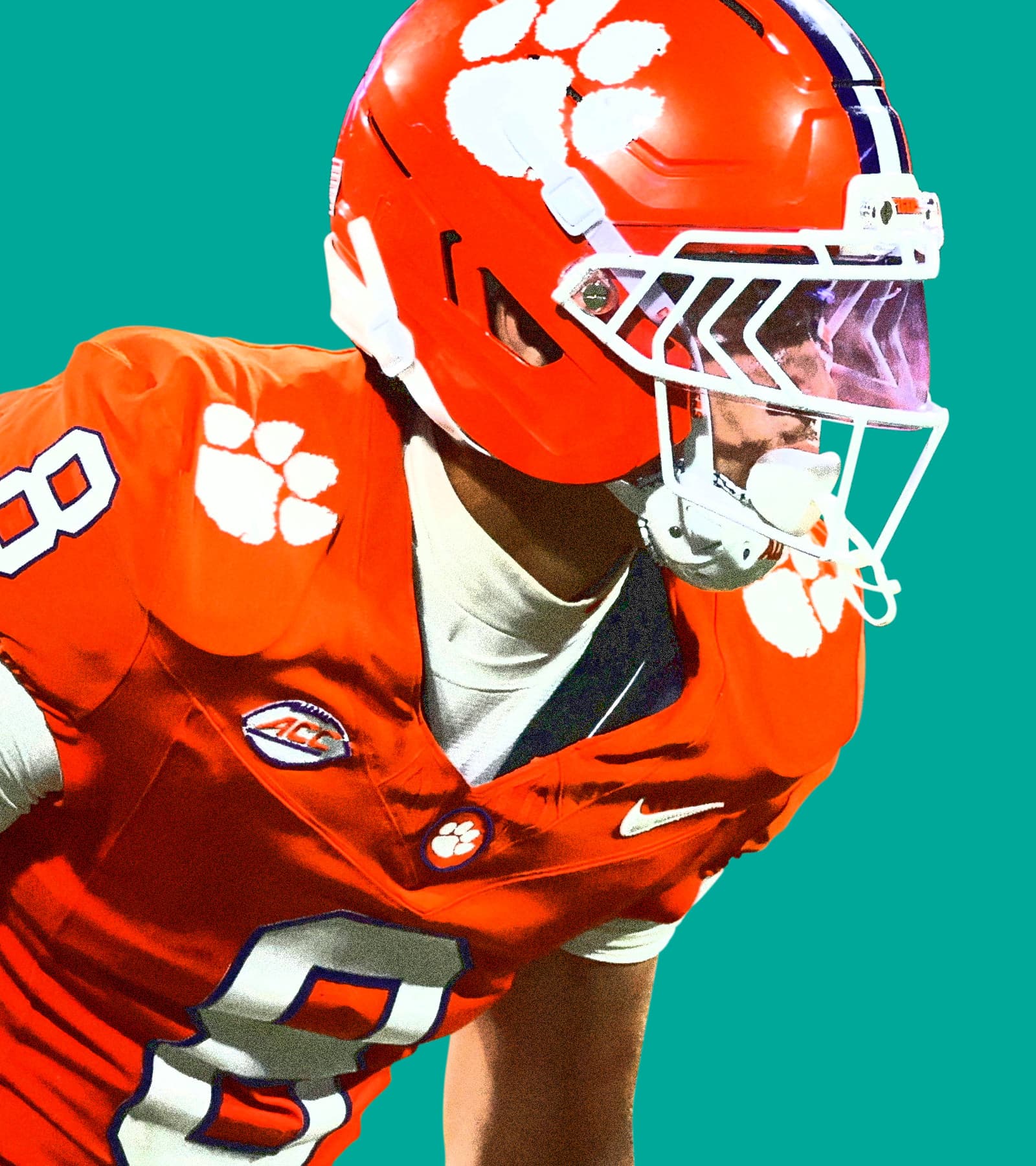
Round 2, pick 48: Avieon Terrell, CB, Clemson
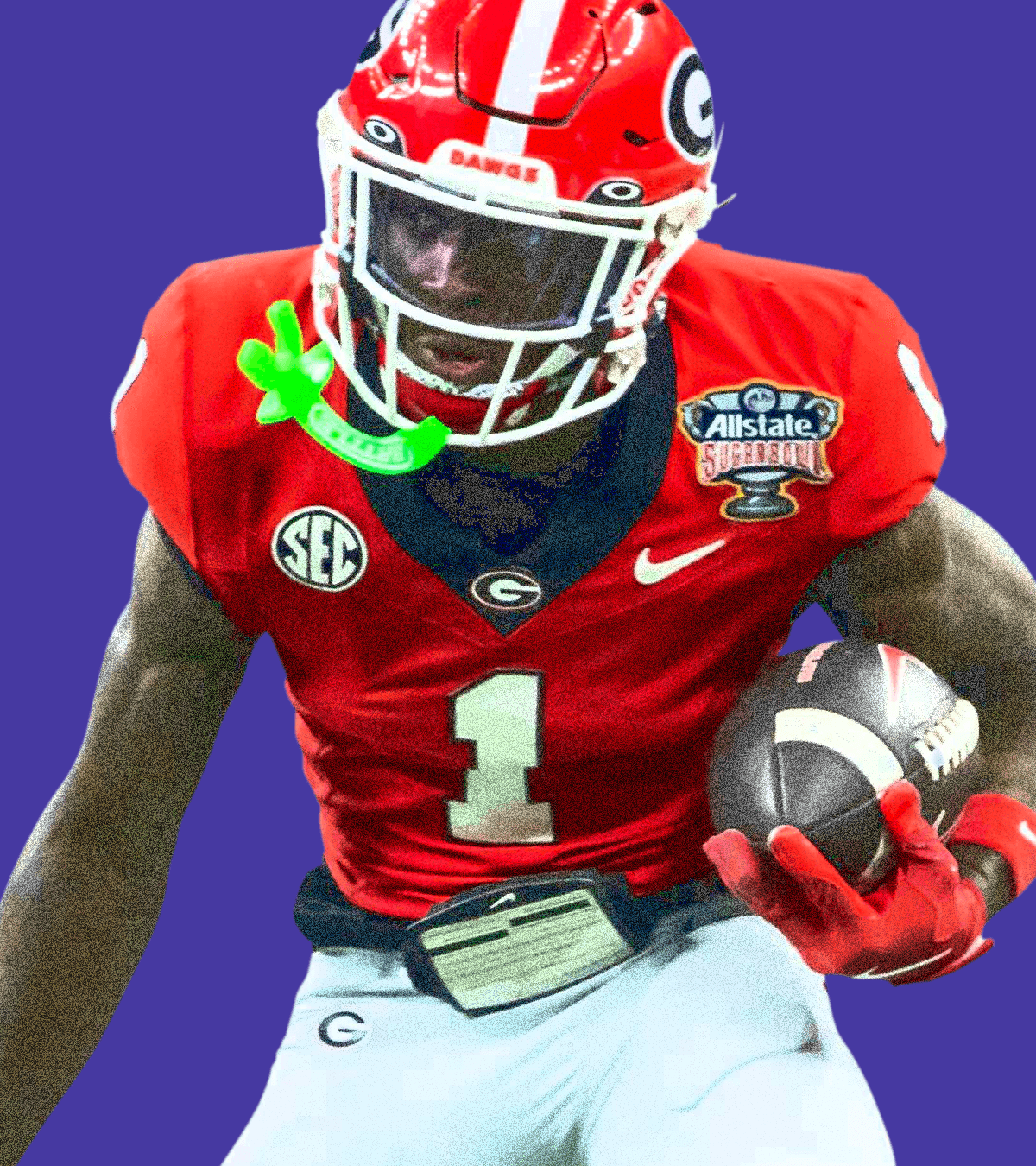
Round 3, pick 79: Zachariah Branch, WR, Georgia
Round 4, pick 134: Kendal Daniels, LB, Oklahoma
Round 6, pick 208: Anterio Thompson, DT, Washington
Round 6, pick 215: Harold Perkins Jr., LB, LSU
Round 7, pick 231: Ethan Onianwa, OT, Ohio State
The Falcons came into this draft lacking capital after sending their first-rounder to the Rams as part of the trade-up move for James Pearce Jr. last year. Most of the punch in this class came in the form of the team’s first two picks: They kicked things off in the second round by nabbing wily cornerback Avieon Terrell, reuniting the feisty playmaker with his brother A.J. It’s a heartwarming story but also makes sense from a football point of view, giving Atlanta another versatile defensive back who can play outside or in the slot. I also really liked their selection of receiver Zachariah Branch in the third round. The former Georgia star brings electric speed and explosive acceleration with the ball in his hands. He’s a nice complement to Drake London and can operate in the short and intermediate area, where his skill set becomes an extension of the run game. Overall, Atlanta’s draft class lacks oomph, and both Terrell and Branch are sub-190 pounds. I think both guys will be immediate contributors, but it’s still tough to grade this haul too highly.

BuffaloBills
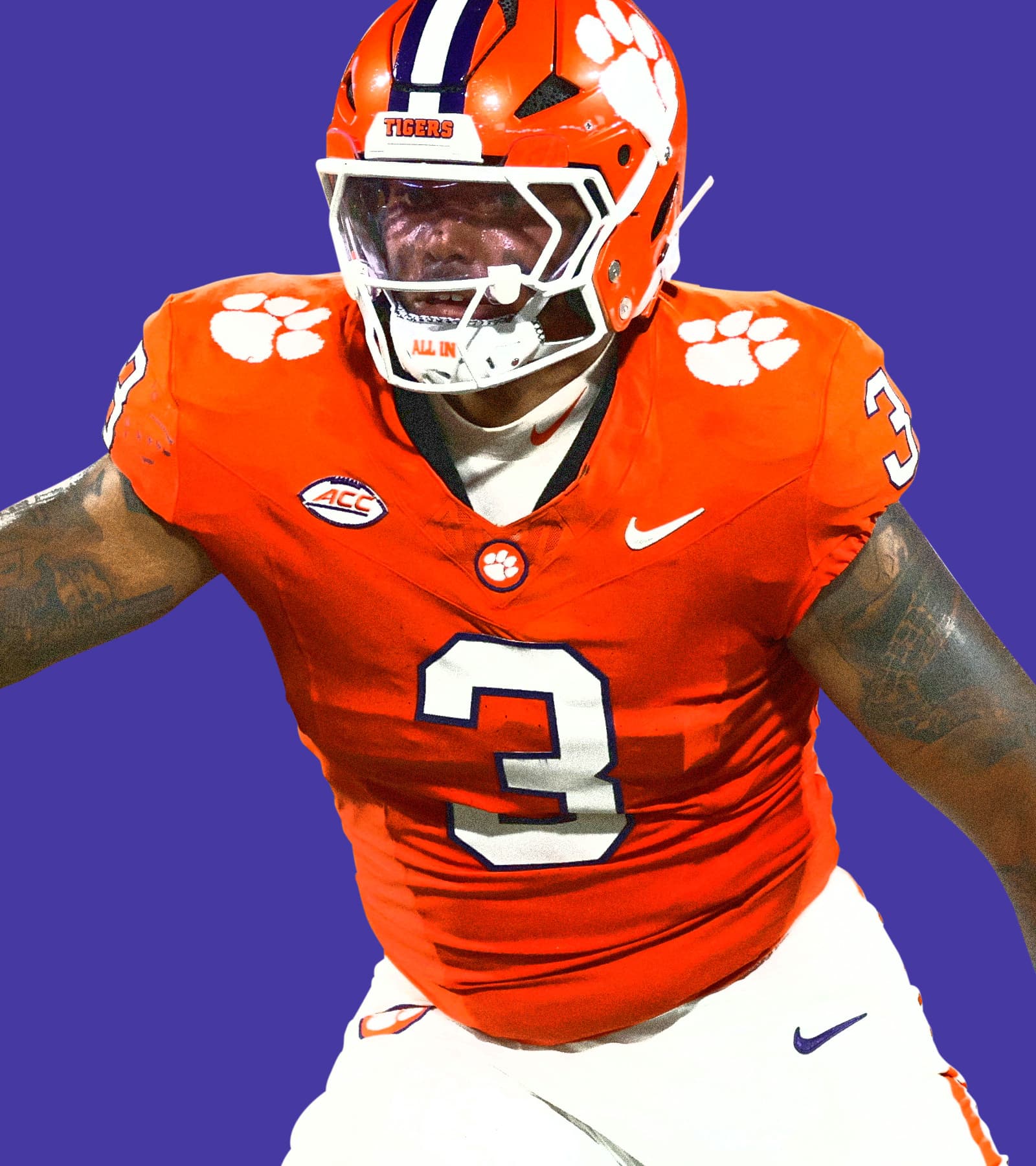
Round 2, pick 35: T.J. Parker, Edge, Clemson
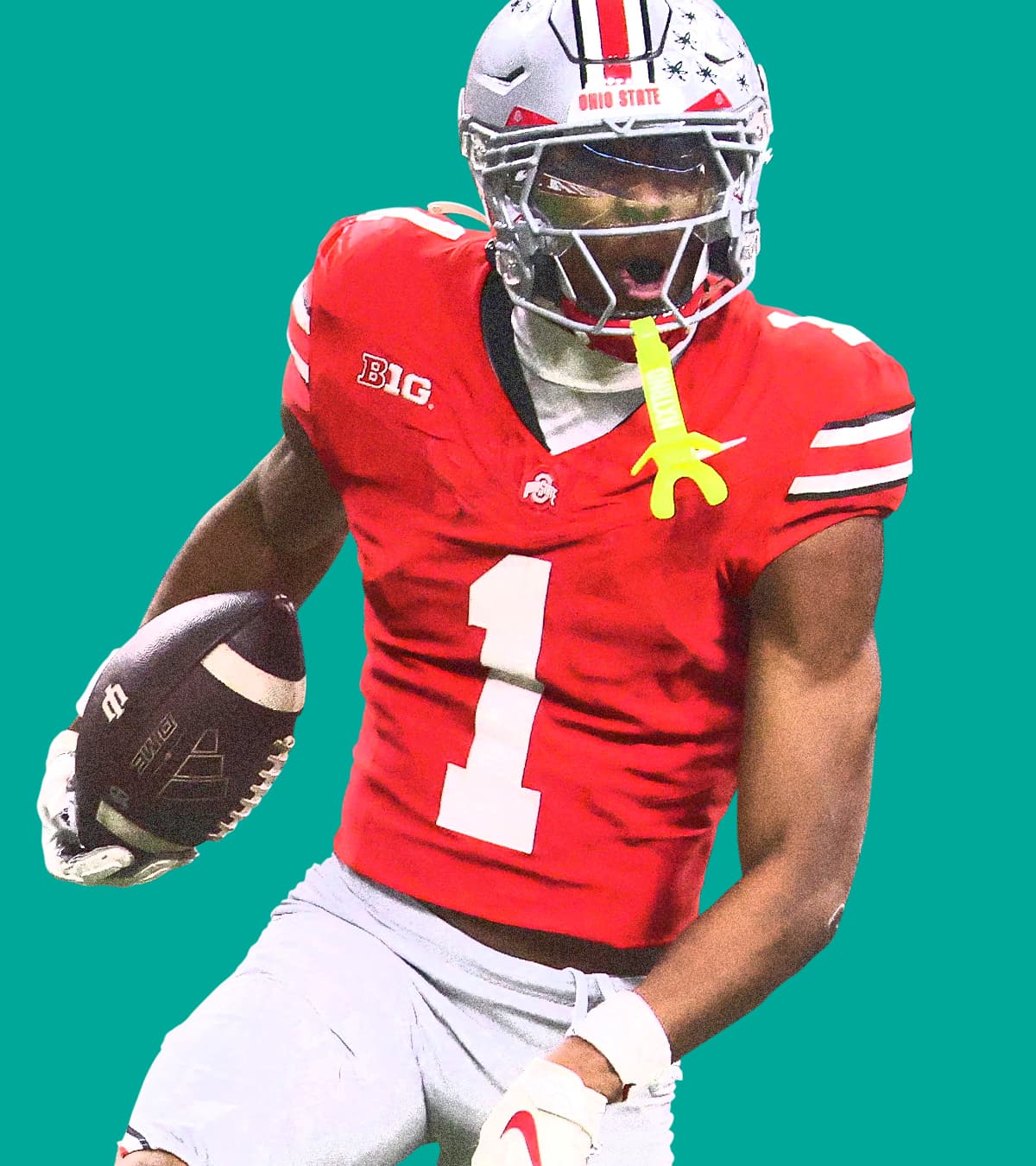
Round 2, pick 62: Davison Igbinosun, CB, Ohio State
Round 4, pick 102: Jude Bowry, OT, Boston College
Round 4, pick 125: Skyler Bell, WR, UConn
Round 4, pick 126: Kaleb Elarms-Orr, LB, TCU
Round 5, pick 167: Jalon Kilgore, S, South Carolina
Round 5, pick 181: Zane Durant, DT, Penn State
Round 7, pick 220: Toriano Pride Jr., CB, Missouri
Round 7, pick 239: Tommy Doman, P, Florida
Round 7, pick 241: Ar’maj Reed-Adams, G, Texas A&M
The Bills were on-brand with the T.J. Parker pick early in the second round, grabbing a big, long-levered, and power-based rusher. Parker fits the profile of a handful of edge defenders the team has seemed to rely on in recent years, and should slide right into the rotation. In the second round, they grabbed an athletic, twitchy cover corner in Igbinosun, who plays with an edge and sometimes over-the-top physicality. Igbinosun needs to tamp down the grabbing and bear-hugging in the pros, but he could see the field early on. I liked the selection of receiver Skyler Bell, who brings a vertical element to the offense from the outside. Safety Jalon Kilgore brings top-notch upside as well, showing instincts in coverage and plenty of production. But he needs to turn the intensity up to 11 if he’s going to stand out on this defense. All in all, Buffalo added some potential early contributors, but I’m not sure I see a star in this group.

Los AngelesRams
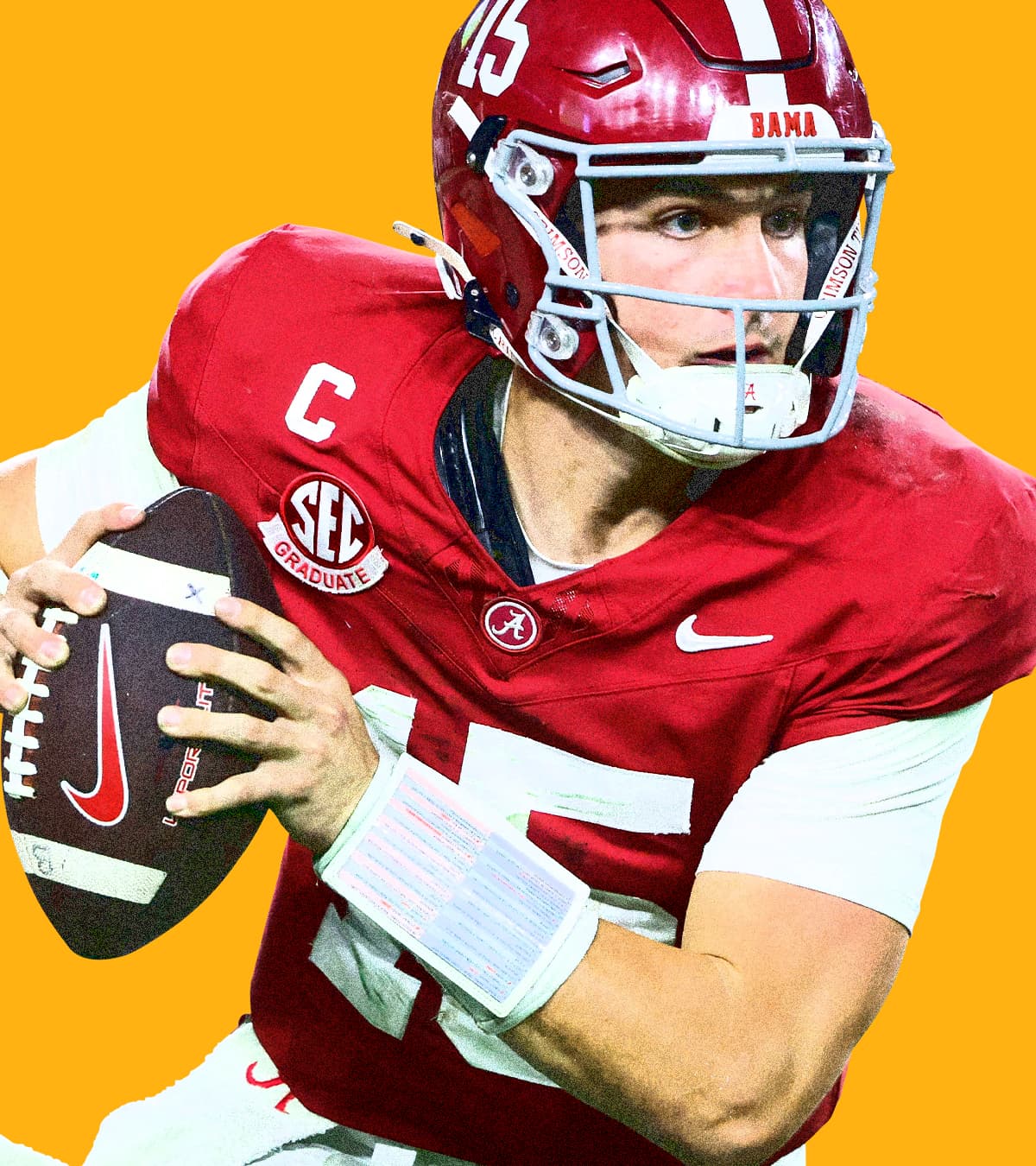
Round 1, pick 13: Ty Simpson, QB, Alabama
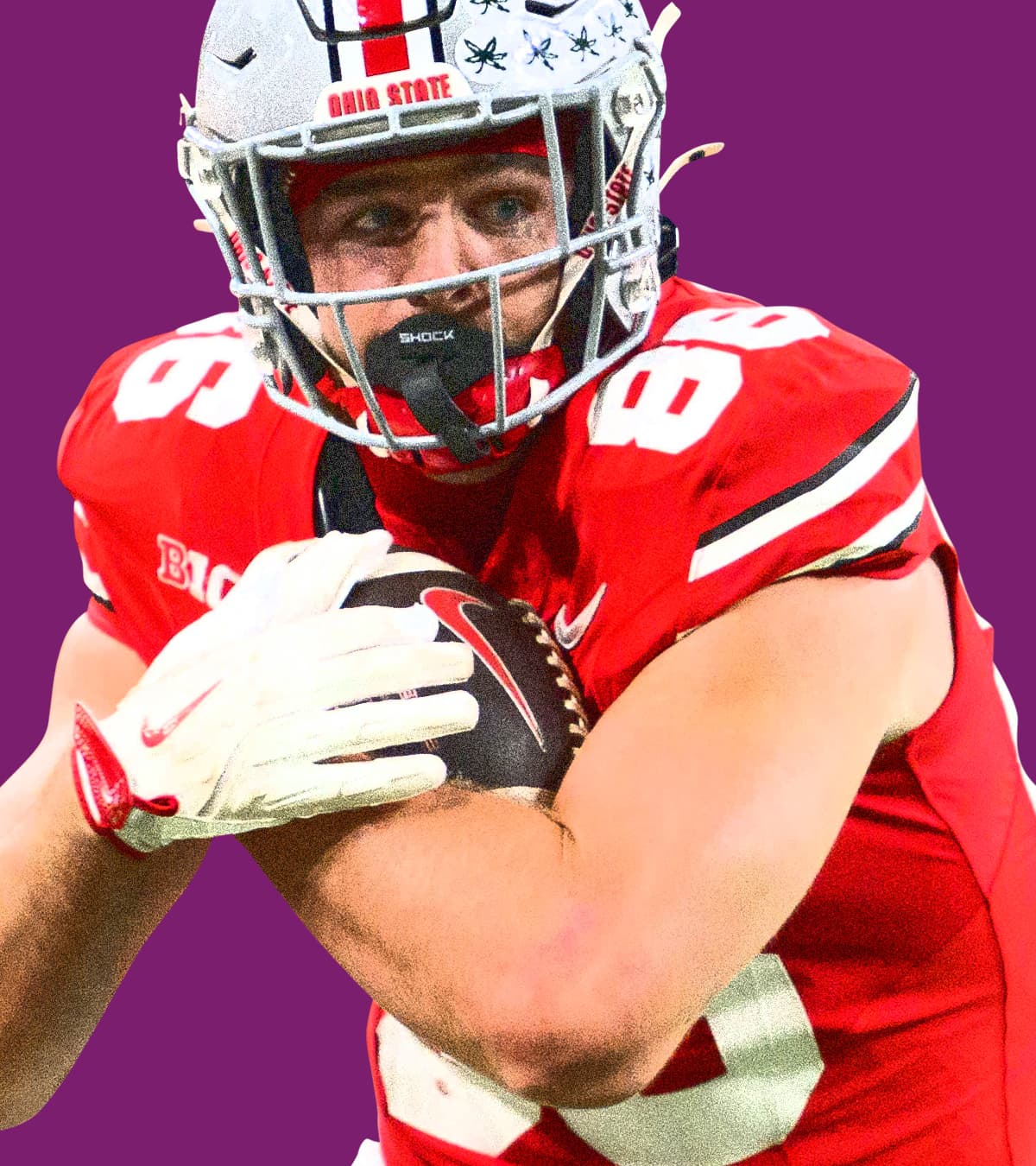
Round 2, pick 61: Max Klare, TE, Ohio State
Round 3, pick 93: Keagen Trost, OT, Missouri
Round 6, pick 197: CJ Daniels, WR, Miami
Round 7, pick 232: Tim Keenan III, DT, Alabama
The team’s acquisition of star cornerback Trent McDuffie can be included in the Rams’ haul here (he was acquired for the team’s first-rounder plus fifth- and sixth-rounders), but L.A.’s actual picks were puzzling. GM Les Snead and head coach Sean McVay shocked the world when they took Alabama quarterback Ty Simpson with the 13th overall pick, an interesting selection, considering the team is right in the prime of its championship window under reigning MVP Matthew Stafford. Going with a developmental passer like Simpson (who has just 15 college starts on his résumé) over an immediate impact playmaker on either side of the ball could be a decision the Rams regret late in the 2026 season. On top of that, the second-round selection of Ohio State Max Klare was also a bit strange, especially since L.A. already has Tyler Higbee, Colby Parkinson, and Davis Allen under contract and spent the 46th overall pick on Terrance Ferguson last year. In the third round, the team grabbed tackle Keagen Trost, a 25-year-old seventh-year senior who could provide depth on the offensive line. Overall, it feels like the Rams missed an opportunity to add pieces that could help them load up for a Super Bowl run in 2026—and the Simpson pick could drive a wedge between Stafford and the team’s brass.

San Francisco49ers
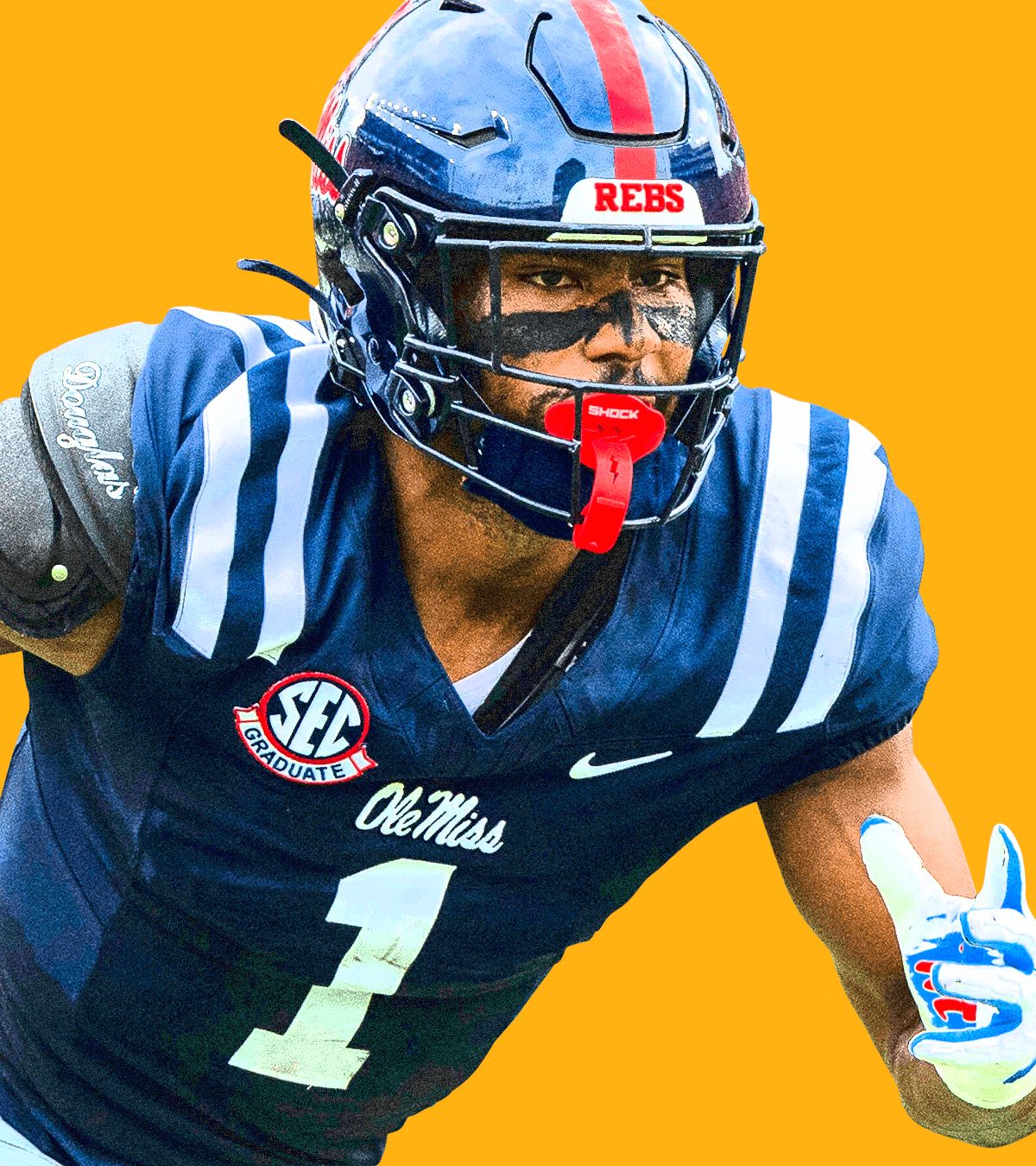
Round 2, pick 33: De’Zhaun Stribling, WR, Ole Miss
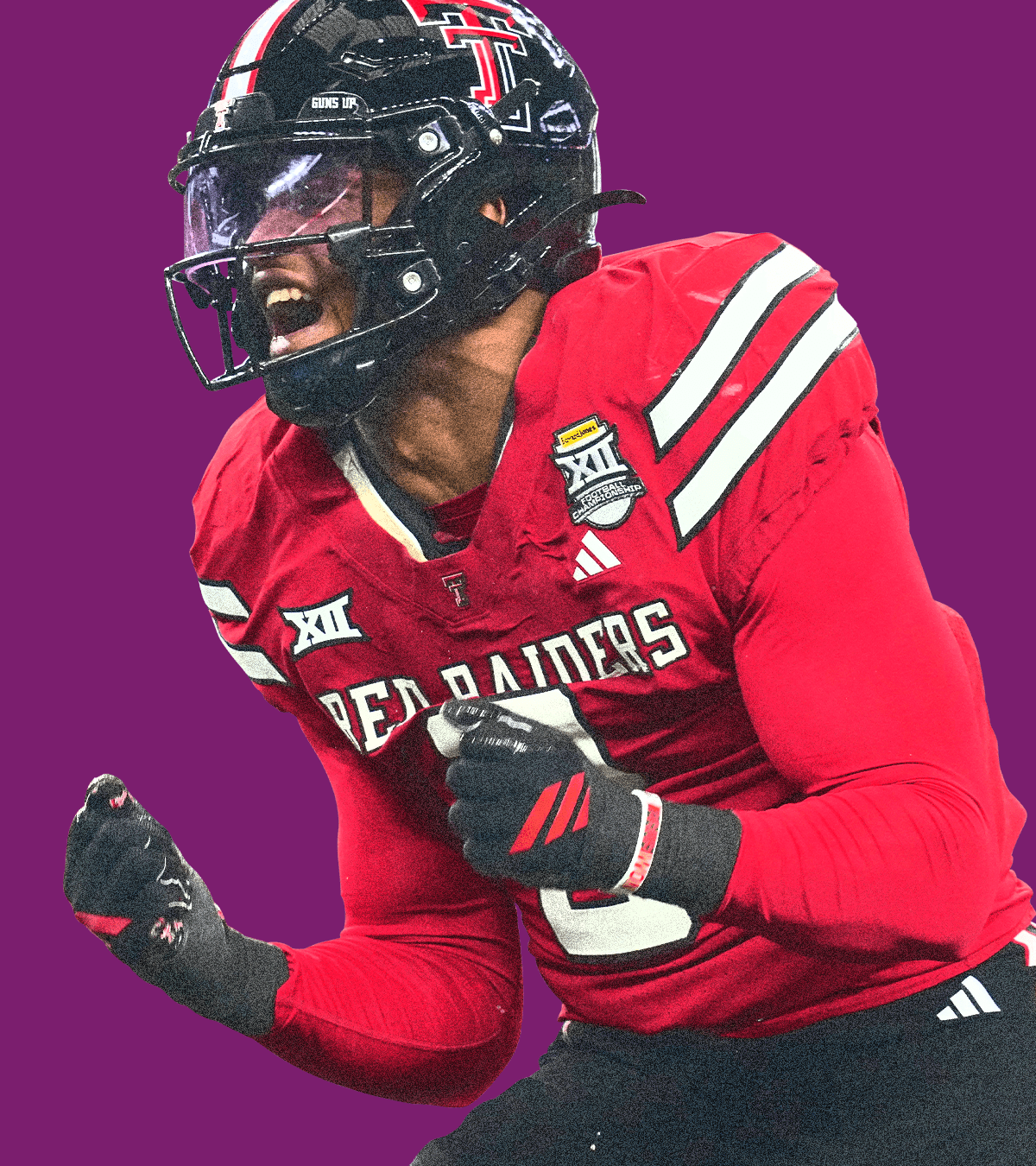
Round 3, pick 70: Romello Height, Edge, Texas Tech
Round 3, pick 90: Kaelon Black, RB, Indiana
Round 4, pick 107: Gracen Halton, DT, Oklahoma
Round 4, pick 127: Carver Willis, OT, Washington
Round 4, pick 139: Ephesians Prysock, CB, Washington
Round 5, pick 154: Jaden Dugger, LB, Louisiana
Round 5, pick 179: Enrique Cruz Jr., OT, Kansas
The Niners kept what seems like a now yearly tradition of making head-scratching skill player picks on day two, grabbing Ole Miss receiver De’Zhaun Stribling (my 83rd overall player) and Indiana running back Kaelon Black (who was outside my top 100 and not invited to the combine) in the second and third rounds, respectively. Stribling is a guy that I actually like—he’s tall, fast, and blocks his ass off—but the opportunity cost of taking him 33rd overall, with dozens of higher-ranked players still on the board, is an eyebrow-raiser. Add in the selection of Romello Height, an undersized 25-year-old sixth-year senior, in the third round, and it’s safe to say I don’t see eye to eye with San Francisco’s value analysis. I did like the pick of Oklahoma defensive tackle Gracen Halton, who brings some pass-rushing upside on the interior line, but overall, it’s hard to say the Niners maximized their draft capital with this class—and they may not even have an early career starter in the bunch.


JacksonvilleJaguars
Round 2, pick 56: Nate Boerkircher, TE, Texas A&M
Round 3, pick 81: Albert Regis, DL, Texas A&M
Round 3, pick 88: Emmanuel Pregnon, OG, Oregon
Round 3, pick 100: Jalen Huskey, S, Maryland
Round 4, pick 119: Wesley Williams, Edge, Duke
Round 5, pick 164: Tanner Koziol, TE, Houston
Round 6, pick 191: Josh Cameron, WR, Baylor
Round 6, pick 203: CJ Williams, WR, Stanford
Round 7, pick 233: Zach Durfee, Edge, Washington
Round 7, pick 240: Parker Hughes, LB, Middle Tennessee
The Jags came into this year’s draft at a disadvantage after sending Cleveland their first-rounder as part of last year’s trade for Travis Hunter, but it’s tough to get excited about what the team did with their remaining picks, either. They got good value in grabbing Oregon guard Emmanuel Pregnon in the third round, and he offers starting potential for Jacksonville early in his career. But the rest of GM James Gladstone’s picks were either uninspiring or downright confusing: Second-round tight end Nate Boerkircher is a 24-year-old sixth-year senior who posted just 38 catches in his college career; third-round defensive tackle Albert Regis is a sawed-off, stout interior lineman who posted limited production (3.5 sacks and 11 TFL) over the last four seasons; and third-round cornerback Jalen Huskey lacks of top-end speed (he ran a 4.55-second 40-yard dash at his pro day, according to Dane Brugler). Overall, the Jaguars focused on lower value position groups while showing wild disregard for consensus pre-draft rankings (which was the case last year too). We’ll have to wait to find out if Gladstone and Co. are actually that much smarter than everyone else, but on the surface this looks like a really rough draft class.